
Edwardian period (United Kingdom, early 20th century)
The Edwardian period in the UK centers on the reign of King Edward VII and the surrounding years to World War I, noted for social change, new artistic styles, and technological and political shifts from Victorian traditions.
The Edwardian period refers to a phase in British history centered on the United Kingdom during and around the reign of King Edward VII. While the formal reign lasted from 1901 to 1910, the term commonly embraces the years before and after his rule, extending up to the outbreak of the First World War. The era is often described as a bridge between Victorian formality and the modern sensibilities of the 20th century.
Image gallery
10 Images




Characteristics
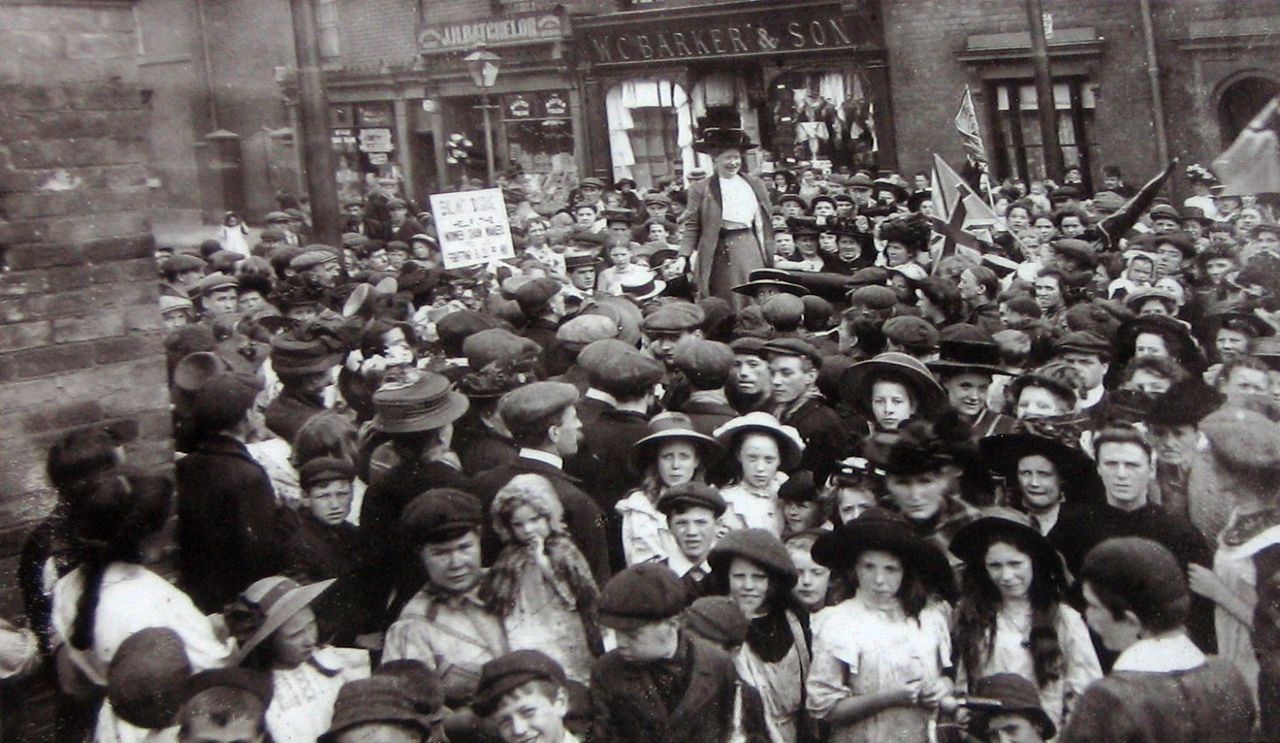
This period is marked by contrasts: lingering aristocratic display alongside expanding middle-class comforts; ornate public architecture next to emerging industrial technology. Social life emphasized leisure and display, with country-house weekends, seaside holidays, and elaborate public ceremonies. In towns, electric lighting, motorcars and new mass media began to reshape daily experience.
- Arts and design: decorative movements and a move away from strict Victorian ornament.
- Domestic life: improved household comforts and changing gender roles in public life.
- Technology: adoption of automobiles, electricity and improved transport networks.
History and context
The Edwardian years fell within a period of relative imperial confidence and economic growth for Britain, but also rising social and political tensions. International rivalries intensified in Europe, and debates about welfare, labour rights, and the franchise gained momentum at home. The era concluded as global tensions led to the First World War, which profoundly altered British society.
Culture, fashion and architecture
Culturally the era favored lighter fashions and new tailorings, more relaxed social rituals, and popular entertainments such as music halls and illustrated periodicals. Architecturally, public buildings and townhouses displayed a variety of styles—revivals, restrained classical forms and influences from contemporary design movements—reflecting both tradition and a search for modern identities.
Politics, economy and society
Domestically, calls for social reform grew louder: politicians and activists debated labour protections, pensions and voting rights. The women’s suffrage movement became increasingly visible, trade unions strengthened, and political life moved toward more interventionist government policies that aimed to address poverty and industrial change.
Legacy and notable distinctions
The Edwardian period is remembered as a transitional age that combined elegance and privilege with the beginnings of the modern state and mass culture. It is often romanticized for its leisure and style yet also recognized for underlying social transformations that shaped Britain’s twentieth-century trajectory.
Questions and answers
Q: What period does the Edwardian era refer to?
A: The Edwardian era in the United Kingdom refers to the period which included the reign of King Edward VII from 1901-1910, as well as some years before and after his reign up to the First World War.
Q: Who was King during this time?
A: The King during this time was King Edward VII.
Q: When did his reign begin and end?
A: His reign began in 1901 and ended in 1910.
Q: How long did the Edwardian era last?
A: The Edwardian era lasted from 1901 until the start of World War I.
Q: What events occurred during this time?
A: During this time, there were a number of significant political and cultural changes that took place, including advances in technology, increased industrialization, and an overall shift towards modernity. Additionally, it was a period of great social change with more people having access to education and opportunities for advancement than ever before.
Q: What is unique about this period?
A: This period is unique because it saw a transition from Victorian values to those of modernity while still maintaining traditional British customs. It also marked a new age of technological advancements that would shape society for generations to come.
Q: How has the legacy of this period been remembered?
A:The legacy of this period has been remembered through literature, art, music, fashion, architecture and other forms of culture that have been heavily influenced by its style and values.
Related articles
Author
AlegsaOnline.com Edwardian period (United Kingdom, early 20th century) Leandro Alegsa
URL: https://en.alegsaonline.com/art/30302