
Kiyonori Kikutake — Japanese architect and Metabolist movement founder
Kiyonori Kikutake (1928–2011) was a leading Japanese architect, a founder of the Metabolist movement, designer of Sky House and the Edo‑Tokyo Museum, and a teacher who influenced later generations.
Kiyonori Kikutake (1928–2011) was a prominent Japanese architect and theorist whose work helped shape postwar Japanese architecture. He is widely recognized as one of the founding figures of the Metabolist movement, which proposed adaptable, large‑scale, and growth‑oriented approaches to city design. For a concise biography and overview of his career, see Kikutake's biography.
Image gallery
10 Images




Design approach and key ideas
Kikutake advocated architecture that could respond to change — social, technological and demographic. His designs often combine rigid primary structures with flexible infill, allowing incremental replacement or expansion rather than total demolition. This approach appears in both his built work and his theoretical proposals, including urban concepts focused on modular units and layered infrastructure. The Metabolist movement, which he helped found, framed such ideas in the context of rapid urbanization; more about the movement and its concepts is available at Metabolist movement.
Representative works
His early and most cited project, Sky House (completed 1958), is a compact residence lifted above the ground on columns to create a flexible living plan and a sense of openness. Other significant projects over his long career demonstrate similar themes of structure and flexibility:
- Sky House (1958) — an experimental private house exploring modular living.
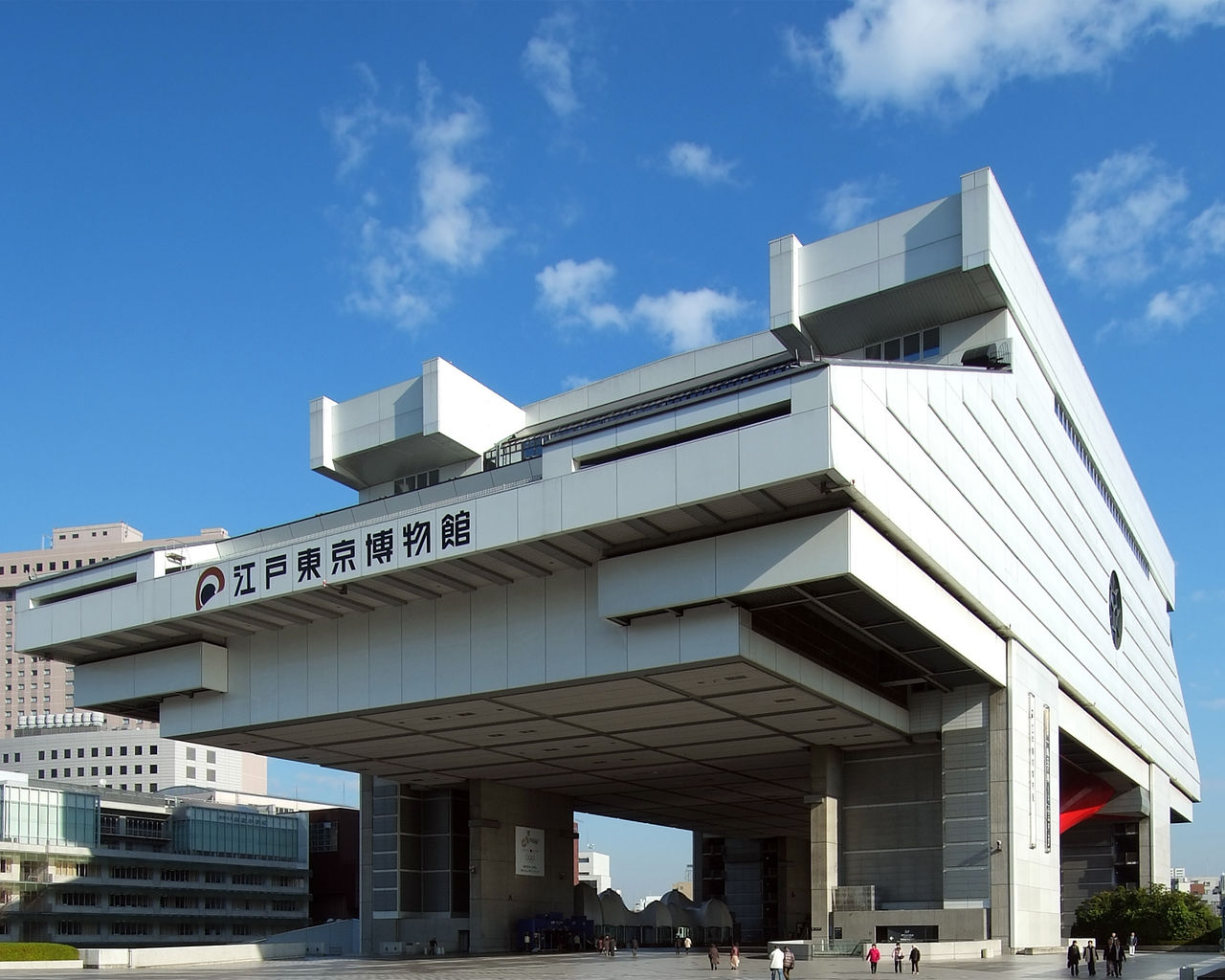
- Edo‑Tokyo Museum (completed 1993) — a major public building that interprets urban history through a bold structural form.
- Marine City and other speculative urban proposals — conceptual projects aimed at addressing density and infrastructure at a metropolitan scale.
Teaching and influence
Kikutake was active as an educator and mentor, and his studio produced a number of architects who later became influential in their own right. Notable architects who studied with or were influenced by him include Toyo Ito, Shōzō Uchii and Itsuko Hasegawa; further details on these relationships and on Ito's career can be found at Toyo Ito and students. His role as a teacher helped transmit Metabolist ideas into later generations and diverse projects.
Historical context and legacy
Emerging from the rapid reconstruction and modernization of postwar Japan, Kikutake and his contemporaries sought architectural responses that accepted change as inevitable. The Metabolists combined technical optimism with an interest in living systems, megastructures and prefabrication. While some of their grand urban schemes remained theoretical, many individual buildings and ideas have continued to influence architects interested in adaptability, sustainability and urban resilience. Kikutake's built work, writings and pedagogy remain referenced in discussions of 20th‑century architecture and contemporary urban theory.
Today Kikutake is remembered both for particular buildings and for contributions to architectural theory: a blend of bold formal imagination and practical concern for how architecture can accommodate human and environmental change.
Questions and answers
Q: Who was Kiyonori Kikutake?
A: Kiyonori Kikutake was a Japanese architect who started the Japanese Metabolist group of architects and taught several important Japanese architects.
Q: When was Kikutake born and when did he die?
A: Kiyonori Kikutake was born on April 1, 1928, and he died on December 26, 2011.
Q: What is the Japanese Metabolist group of architects?
A: The Japanese Metabolist group of architects was a group of architects who were interested in designing architecture that could adapt and change over time, responding to the needs of a growing population and a changing environment.
Q: What were some of Kikutake's most significant contributions to architecture?
A: Kikutake's most significant contributions to architecture were the formation of the Japanese Metabolist group of architects and the influence he had on several important Japanese architects, such as Toyo Ito, Shōzō Uchii, and Itsuko Hasegawa.
Q: Who were some of the architects that Kikutake taught?
A: Kikutake taught several important Japanese architects, such as Toyo Ito, Shōzō Uchii, and Itsuko Hasegawa.
Q: What was Kikutake's architectural philosophy?
A: Kikutake's architectural philosophy was focused on designing flexible and adaptable architecture that could respond to the constantly changing needs of society and the environment.
Q: What impact did Kikutake have on the field of architecture?
A: Kikutake had a significant impact on the field of architecture through his contributions to the formation of the Japanese Metabolist group of architects and his influence on several important Japanese architects.
Related articles
Author
AlegsaOnline.com Kiyonori Kikutake — Japanese architect and Metabolist movement founder Leandro Alegsa
URL: https://en.alegsaonline.com/art/53887
Sources
- sankei.jp.msn.com : 日本を代表する建築家、菊竹清訓氏が死去 83歳 建築運動「メタボリズム」をリード
- britannica.com : "Kiyonori Kikutake"