
Ed Westcott: Photographer of Oak Ridge and the Manhattan Project
Ed Westcott (1922–2019) was the principal government photographer at Oak Ridge, Tennessee, documenting construction, daily life, and operations during the Manhattan Project and early Cold War years.
Overview
James Edward “Ed” Westcott (1922–2019) was the principal photographer assigned to Oak Ridge, Tennessee, during the Manhattan Project and remained a key documentary photographer through the early Cold War era. Employed by the U.S. government, Westcott recorded the rapid construction, technical facilities, and everyday life of the secret research town that supported the development of nuclear weapons. His images are widely regarded as an essential visual record of that period.
Image gallery
7 Images


Early life and path to Oak Ridge
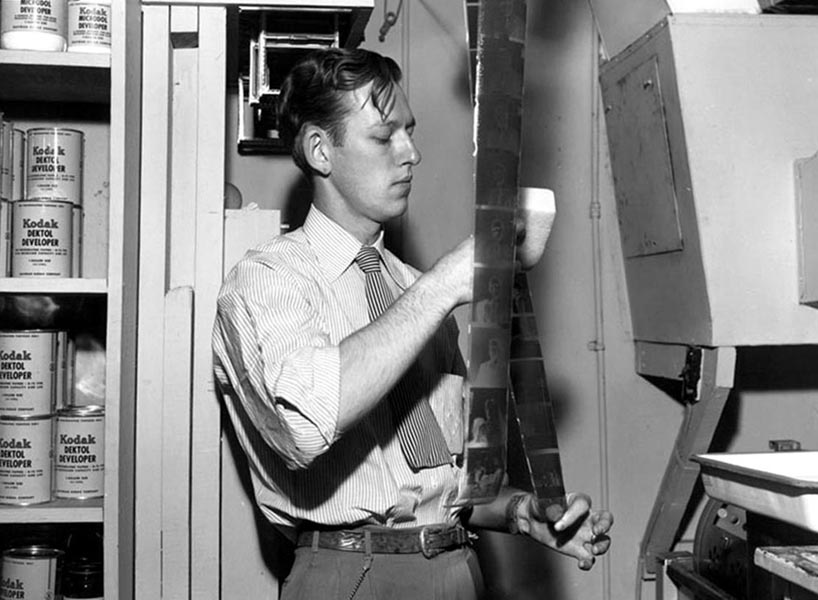
Westcott was born in Chattanooga and grew up in Nashville, Tennessee. A young man with photographic skill and an interest in technical subjects, he was recruited during World War II to provide photographic coverage for government activities at a time when most civilians were barred from bringing cameras into secure sites. For biographical details see Chattanooga background and Nashville years.
Work at Oak Ridge and role in the Manhattan Project
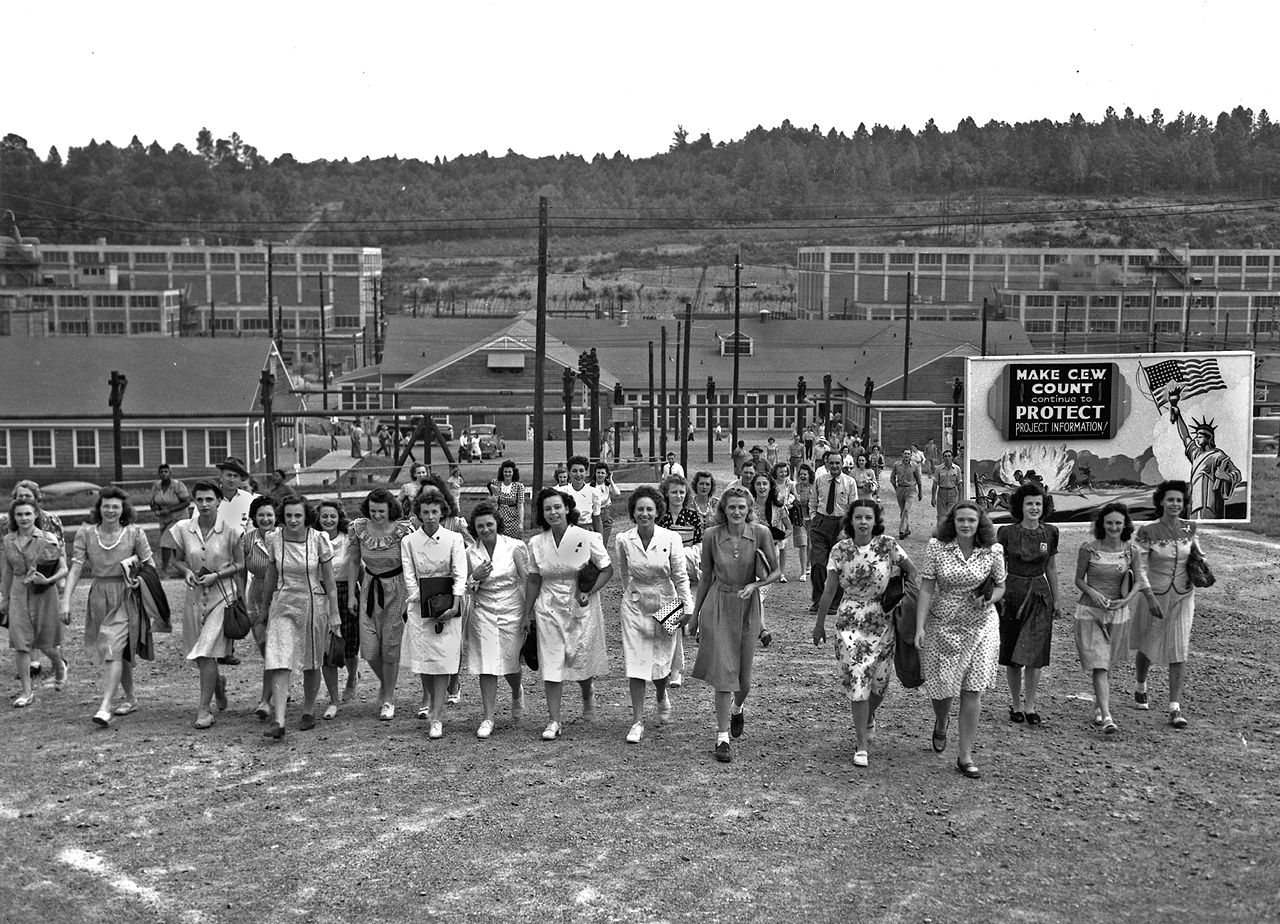
At Oak Ridge Westcott became one of the few people permitted to carry a camera inside the restricted area. Working under strict security controls, he documented the layout and assembly of industrial plants, the infrastructure that supported them, and the residential and commercial life of the secret community. His assignments ranged from photographing massive construction efforts to capturing informal portraits of workers and families. The photographs he made during the wartime program were subject to classification and were not released publicly until after the project's security restrictions were lifted. For context on the project and era see Manhattan Project and Cold War.
Subjects, style and techniques
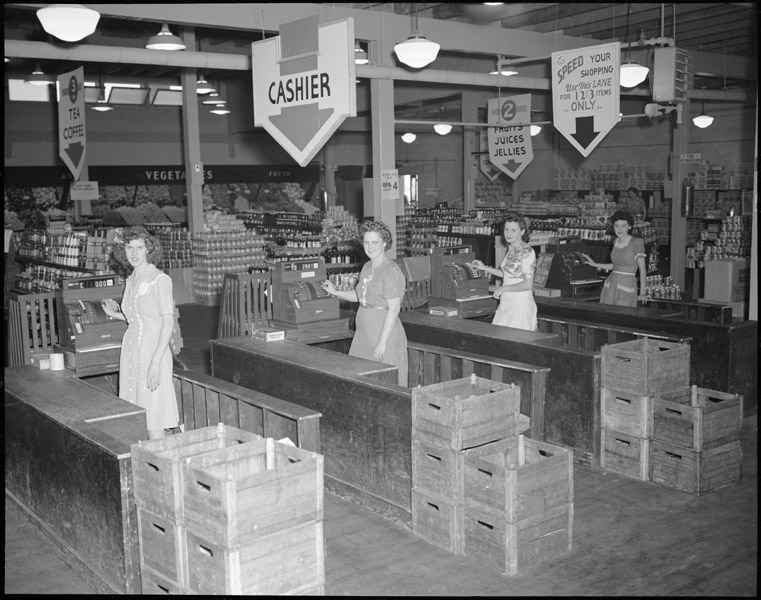
Westcott’s body of work shows both industrial scale and human detail. He produced images of plant buildings during construction and operation, transport and equipment, and scenes of community life in the company town. Because of the operational environment, his photographs emphasize clarity of structure and process as well as a documentary, observational approach to people and places. References to workplace restrictions and camera policies appear in accounts of Oak Ridge — for example, descriptions of who was permitted to carry cameras and how images were cleared for release (camera policy, construction, operation).
Notable subjects and places
- Oak Ridge as a planned, secret wartime community.
- Industrial facilities and supporting infrastructure involved in uranium enrichment.
- Scenes of daily life: housing, schools, stores and civic spaces in the closed town (community).
- Regional connections to Tennessee communities such as Tennessee towns and labor pools.
Later career and legacy
After the war Westcott continued photographing government work and local subjects in the area. Many of his prints and negatives are preserved in federal and museum collections, and his photographs have been used for historical research, exhibitions, and publications that explore the Manhattan Project and the history of Oak Ridge. His images offer historians and the public a comprehensive visual record of a secret, rapidly built wartime community and the technologies it supported. Further resources and collections can be found via institutional guides and archives (photographer profile, image collections, Oak Ridge resources).
Personal life and recognition
Westcott married Esther Seigenthaler; they raised five children together and remained married for more than five decades. He lived in Oak Ridge for much of his adult life and continued to be identified with that community. He died in Oak Ridge in 2019 at the age of 97. For more on his life and remembrance see memorial and archival entries (Cold War records, Manhattan Project histories, biographical note).
Where to find his work
- Federal and regional archives that hold wartime photographic records (image archives).
- Museum exhibitions and published compilations of photographs from Oak Ridge (exhibition pages).
- Local history centers and oral-history projects that reference Westcott’s images and reporting (regional sources, construction photo collections).
Notable fact: Westcott remains one of the principal visual chroniclers of the Manhattan Project’s impact on the built environment and on the lives of people who lived and worked at Oak Ridge, offering a rare pictorial window into an otherwise tightly controlled historical episode (see additional resources at operations records, community archives, regional biographies).
Related articles
Author
AlegsaOnline.com Ed Westcott: Photographer of Oak Ridge and the Manhattan Project Leandro Alegsa
URL: https://en.alegsaonline.com/art/30027
Sources
- oakridger.com : "Manhattan Project photographer Ed Westcott dies at 97"