
Nashville, Tennessee
Capital and largest city of Tennessee, nicknamed 'Music City'. A regional center for music, healthcare, education, and tourism, home to the Grand Ole Opry and many cultural institutions.
Overview
Nashville is the capital and largest city of the U.S. state of Tennessee and an important urban center in the United States. The city lies along the Cumberland River and forms the core of Davidson County, part of the consolidated government officially known as Metro Nashville–Davidson County. Often called "Music City," Nashville is known for a concentrated music industry, a lively downtown, and a wide range of cultural institutions.
Image gallery
10 Images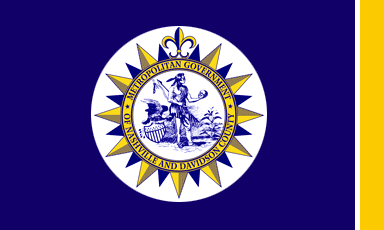



History and development
Founded in the late 18th century and named for Revolutionary War hero Francis Nash, Nashville grew as a river port and trade center before expanding into publishing, manufacturing and, later, music and higher education. The city played roles in both commerce and conflict during the 19th century and consolidated city and county government in the 20th century to coordinate services across a growing metropolitan area.
Culture and music industry
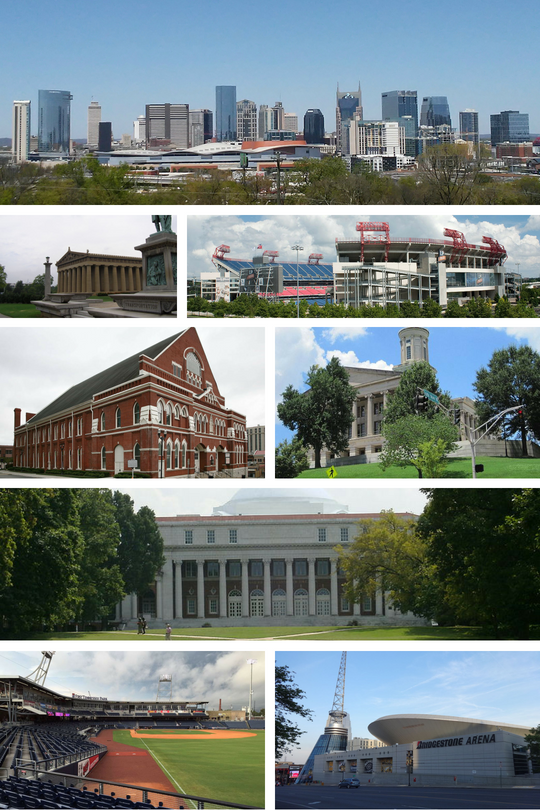
Nashville's identity is closely tied to country music and related genres. It is home to the long-running radio show and entertainment institution the Grand Ole Opry, the Country Music Hall of Fame, historic venues such as the Ryman Auditorium, and numerous major record companies and studios (record labels). Live music, songwriting workshops, and music publishing make the city a destination for performers and fans.
Economy, education and sports
The local economy is diversified: health care, higher education (including Vanderbilt University), tourism, hospitality and technology all play major roles. Nashville hosts professional sports teams and large conventions, adding to its national profile. Tourism centers on music, food, cultural festivals and historic districts.
Demographics and civic life
According to the 2000 census, the city then had 569,891 residents (2000 census); the population has grown substantially since that count. Residents are commonly called Nashvillians. City planning, historic preservation and neighborhood revitalization remain active civic concerns as Nashville balances growth with quality of life.
Notable places
- Grand Ole Opry and Ryman Auditorium
- Country Music Hall of Fame and Museum
- Broadway live-music district and recording studios
- Centennial Park and the full-scale Parthenon replica
- Universities, medical centers and cultural institutions
Nashville's mix of historic neighborhoods, music heritage and expanding industries makes it a prominent American city with both regional influence and national cultural reach.
Questions and answers
Q: What is Nashville?
A: Nashville is the capital and largest city in the U.S. state of Tennessee.
Q: Where is Nashville located?
A: Nashville is on the Cumberland River in Davidson County.
Q: What is the Grand Ole Opry?
A: The Grand Ole Opry is a famous attraction located in Nashville.
Q: What is the Country Music Hall of Fame?
A: The Country Music Hall of Fame is a famous attraction located in Nashville.
Q: How many people live in Nashville?
A: According to the 2000 census, Nashville has 569,891 people in it.
Q: What do you call a resident of Nashville?
A: A resident of Nashville is called a Nashvillian.
Q: What major record labels are located in Nashville?
A: Many major record labels are located in Nashville.
Related articles
Author
AlegsaOnline.com Nashville, Tennessee Leandro Alegsa
URL: https://en.alegsaonline.com/art/68440
Sources
- tennessean.com : "Jim Shulman elected Nashville vice mayor in lopsided runoff election" · archive.today
- factfinder.census.gov : factfinder.census.gov/bkmk/table/1.0/en/DEC/10_SF1/GCTPH1.CY10/0500000US47037
- census.gov : "State & County QuickFacts – Davidson County, Tennessee" · archive.today
- factfinder.census.gov : factfinder.census.gov/bkmk/table/1.0/en/PEP/2018/PEPANNRES/310M400US34980
- census.gov : "State & County QuickFacts – Nashville-Davidson (balance)"