
Ecumenical Patriarch of Constantinople
Leader historically based in Constantinople (now Istanbul) who holds the title 'Ecumenical Patriarch'; a primus inter pares within Eastern Orthodoxy and a prominent religious and diplomatic figure.
The Ecumenical Patriarch is the title borne by the bishop and spiritual primate based in historic Constantinople, today known as Istanbul. Within the family of Eastern Orthodox churches the holder of this office is generally regarded as primus inter pares — "first among equals" — rather than as a single supreme authority. The office is most often associated with the Greek Orthodox tradition, though Constantinople has also been the seat of other Christian patriarchs, such as the Armenian Patriarch of Constantinople, and historically there was a Latin Patriarch in periods of Western control.
Image gallery
4 Images


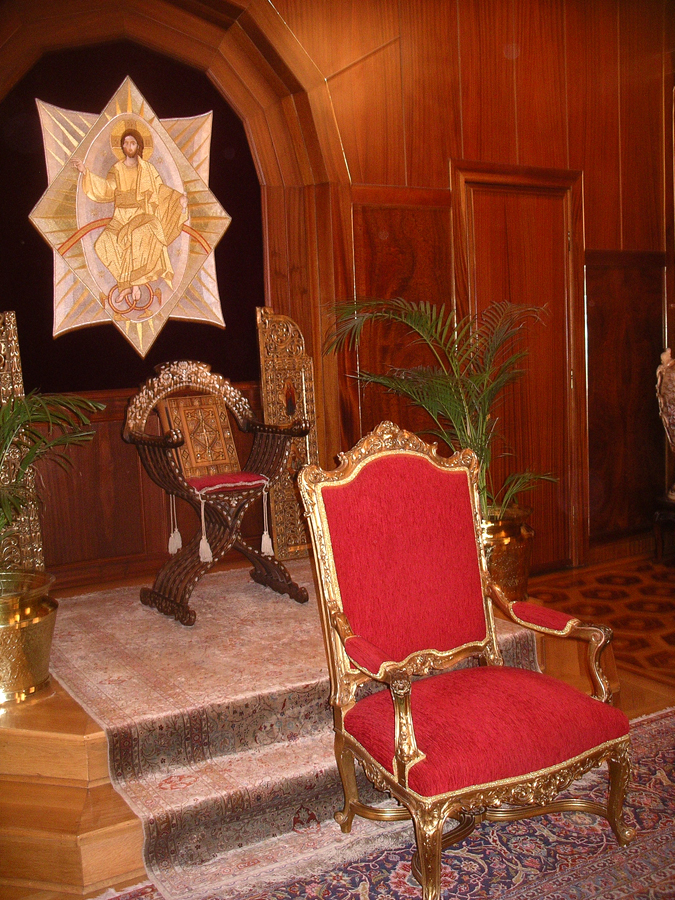
Role and ecclesiastical status
The Ecumenical Patriarch acts as a leading spokesman and convening figure for autocephalous Orthodox churches. Autocephaly means that many national or regional Orthodox churches govern themselves, each led by its own primate. In this system the Ecumenical Patriarch has moral and diplomatic influence: he presides over pan‑Orthodox gatherings when invited, represents Orthodox Christianity in interfaith and international settings, and plays a central role in issues that require coordination among churches.
Historical development
The office grew from the ancient bishopric of Byzantium and developed prominence after Constantine the Great made the city an imperial capital. Over centuries its title and prerogatives evolved in dialogue with imperial, Byzantine and later Ottoman authorities as well as other patriarchates. The adjective "Ecumenical" reflects a claim to universal pastoral concern within the Christian East, a claim that has sometimes been contested by other Orthodox sees.
Typical functions and activities
- Serving as the metropolitan bishop of the local see and leader of the patriarchal synod.
- Ordaining and enthroning bishops, and providing canonical letters or recognition for clerical appointments.
- Convening or facilitating inter‑Orthodox councils and dialogues with other Christian traditions, including the Eastern Orthodox Church collectively.
- Engaging in international and ecumenical diplomacy, humanitarian advocacy and public theology.
Distinctions, seat and modern challenges
The Ecumenical Patriarchate’s administrative center is traditionally located in the Phanar (Fener) quarter of Istanbul. Its modern situation reflects several realities: a much smaller local Orthodox population than in previous centuries; an important pastoral role for Orthodox communities across the global diaspora; and delicate relations with national churches that sometimes dispute jurisdictional questions. The office is usually referred to alongside older titles such as the Archbishop of Constantinople.
Today’s incumbent, like his predecessors, balances sacramental leadership with public engagement. Notable modern patriarchs have been active in interfaith dialogue, environmental concern, and efforts to coordinate Orthodox responses to social and political issues. While the Ecumenical Patriarch does not wield unilateral authority over all Orthodox churches, his historical standing continues to make the office a focal point for unity and conversation within global Orthodoxy.
Related articles
Author
AlegsaOnline.com Ecumenical Patriarch of Constantinople Leandro Alegsa
URL: https://en.alegsaonline.com/art/30000