
Ed Bradley: American Broadcast Journalist and Longtime 60 Minutes Correspondent
Profile of Edward R. “Ed” Bradley (1941–2006), an influential American broadcast journalist best known for his long tenure on CBS News' 60 Minutes, his reporting style, awards, and legacy.
Edward Rudolph "Ed" Bradley, Jr. (June 22, 1941 – November 9, 2006) was an American journalist whose voice and presence became closely associated with in-depth television reporting. Born and raised in Philadelphia, Pennsylvania, Bradley built a national reputation for long-form, investigative and human-interest stories over a career that spanned several decades.
Image gallery
4 Images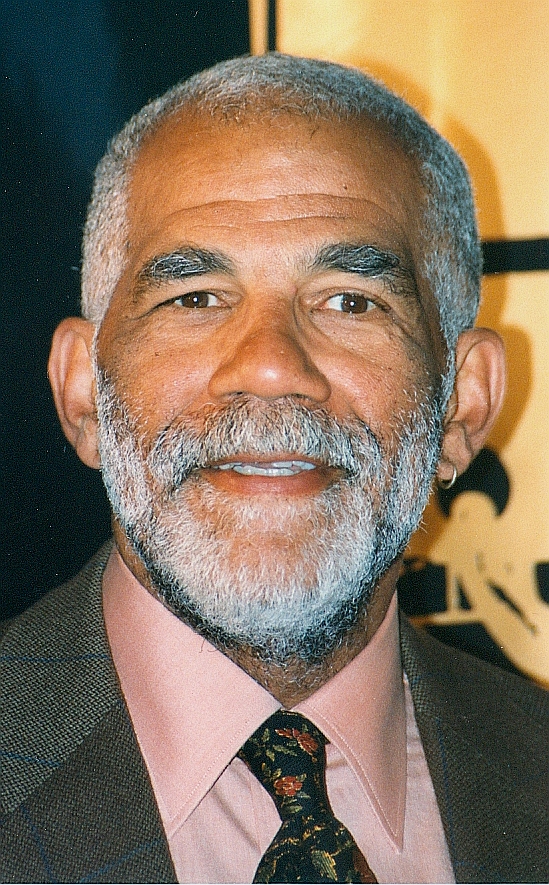
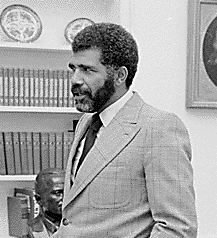


Career and rise to prominence
Bradley joined network television reporting in the early 1970s and became a household name after joining CBS News. He was a correspondent on the television news magazine 60 Minutes for roughly 26 years, developing a resume of memorable interviews and field reports. Throughout his professional career, Bradley covered a wide range of subjects from politics and conflict zones to culture and personal stories that illuminated larger social issues.
Reporting style and subjects
Bradley was noted for a calm, probing interview style and for the clarity he brought to complex subjects. Viewers recognized him for his measured delivery and a willingness to pursue difficult lines of inquiry. His pieces often combined investigative reporting with human-centered narrative, giving audiences both facts and context. Topics he tackled included national politics, international affairs, criminal justice, and profiles of influential public figures.
Awards, notable work and influence
During his career Bradley received numerous honors from the journalism community, including multiple Emmy Awards and other industry recognitions. He conducted high-profile interviews and produced reports that won praise for depth and craft. The following list highlights areas where his work had particular impact:
- Investigative and long-form television journalism that helped define modern news magazines.
- Interviews with prominent leaders, cultural figures and ordinary people placed in extraordinary circumstances.
- Mentorship and visibility that opened doors for reporters of diverse backgrounds in broadcast news.
Legacy and death
Bradley is widely regarded as one of the most influential television correspondents of his generation. As one of the prominent African American faces in national broadcast journalism, he helped change expectations about who could appear as a trusted reporter on major news programs. He died in New York City on November 9, 2006, after a brief illness from leukemia, leaving behind a body of work that continues to be studied by journalists and students of the medium.
Notable facts and distinctions
Bradley’s career is often cited as a touchstone for long-form television reporting: his work demonstrated how sustained, well-researched stories could reach a wide audience and affect public conversation. In addition to his on-air reporting, Bradley’s example helped broaden representation in network newsrooms, inspiring later generations of reporters.
Related articles
Author
AlegsaOnline.com Ed Bradley: American Broadcast Journalist and Longtime 60 Minutes Correspondent Leandro Alegsa
URL: https://en.alegsaonline.com/art/30014
Sources
- nytimes.com : "Ed Bradley, Veteran CBS Newsman, Dies"
- cbsnews.com : "CBS' Ed Bradley Dies of Leukemia"