
Economic stagnation: causes, characteristics and policy responses
Long‑run, persistent slow growth of an economy marked by weak demand, low investment and elevated unemployment, and the policies used to counter it.
Economic stagnation describes a prolonged period in which a national or regional economy grows only very slowly or not at all. It refers to extended weak expansion of output and income rather than a short, sharp contraction. Stagnation can last years or decades and is typically measured by persistently low GDP growth compared with historical trends.
Image gallery
1 Image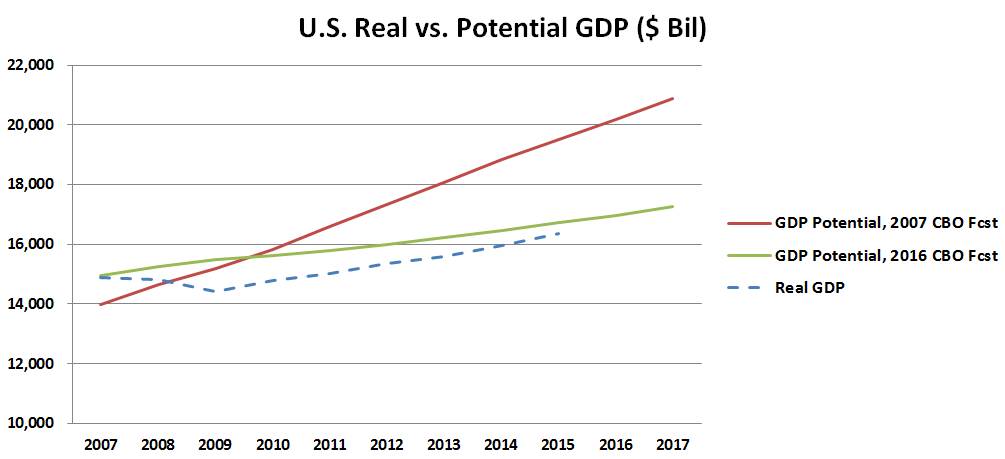
Key characteristics
Common features of stagnating economies include low or falling investment, sluggish productivity gains, elevated or persistent unemployment, and subdued wage growth. Price behaviour may vary: some stagnant episodes bring low inflation or deflation, while others coexist with price pressures depending on supply conditions.
- Weak GDP growth over many quarters or years
- Low business investment and capital accumulation
- Slow productivity improvement
- High structural unemployment and labour underutilization
Causes and contributing factors
Stagnation can arise from a mix of demand and supply factors. Demographic shifts such as aging populations reduce labour supply and consumption growth. High debt burdens and large private or public-sector balance-sheet problems can suppress investment. Structural issues — weak competition, skills mismatches, or poor infrastructure — reduce productivity. Global conditions, technological diffusion patterns, and persistent shortfalls in demand are also important contributors.
History and notable concepts
Economists have long debated long-term slow growth. The idea of "secular stagnation" was revived in recent years to describe chronic demand shortfalls in advanced economies. Specific national episodes are studied for lessons: some countries have experienced near-decade‑long slow growth following financial crises, major demographic changes, or productivity slowdowns.
Economic effects and distinctions
Stagnation differs from recession, which is a temporary decline in activity, and from depression, which is an exceptionally severe downturn. It is also distinct from stagflation, where inflation rises while growth stalls. The social and political costs of stagnation include rising inequality, lower living‑standards growth, and strains on public finances.
Policy responses
Policymakers combine short‑term demand measures with long‑term structural reforms. Typical tools include targeted fiscal stimulus to raise demand, accommodative monetary policy to lower borrowing costs, and supply‑side reforms that boost productivity — education, infrastructure investment, regulatory changes and measures to increase labour market flexibility. The appropriate mix depends on the root causes and institutional context.
Analysts and officials monitor a range of economic indicators when assessing stagnation and the effectiveness of policy. Understanding the balance between cyclical and structural drivers is critical to choosing responses that return an economy to healthier, sustainable growth.
Related articles
Author
AlegsaOnline.com Economic stagnation: causes, characteristics and policy responses Leandro Alegsa
URL: https://en.alegsaonline.com/art/29963