
Eccentricity (human behavior)
Eccentricity refers to unconventional or unusual behavior, mannerisms, or habits that deviate from social norms; it may be harmless, admired, or mistaken for mental disorder depending on context and culture.
Eccentricity denotes patterns of thinking, dressing, speaking or acting that differ noticeably from what a community regards as normal. Observers often describe such conduct as unusual behaviour or oddness, while the individuals themselves may see their ways as practical, aesthetic, or simply habitual. The word covers a wide spectrum, from harmless quirks to strikingly unconventional lifestyles.
Image gallery
2 Images
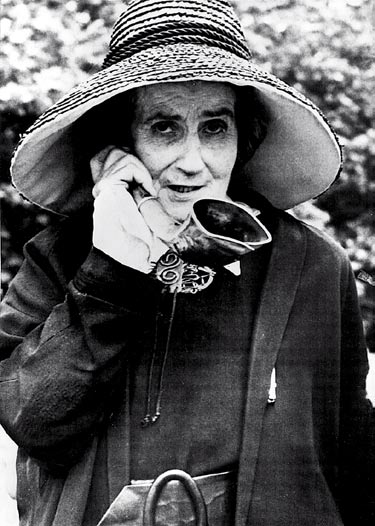
Characteristics
Common features of eccentric people include persistent personal rituals, distinctive clothing or grooming choices, unexpected conversation topics, and a strong tolerance for social disapproval. These traits are often stable over time and tied to personal identity rather than being temporary reactions to stress or context. Some habits are private curiosities; others become public signatures.
- Personal rituals: repeated actions or routines that have little obvious purpose.
- Stylistic distinctiveness: clothing, speech, or home decor that departs from norms.
- Intellectual independence: unusual interests or methods of problem solving.
The term can cover both benign oddities and behavior that challenges social expectations. People who display unconventional habits may be tolerated, celebrated as creative, or marginalized depending on setting and era.
History and social context
Eccentricity has been recognized in many cultures and historical periods. In some eras, eccentric figures were respected as wise or prophetic; in others they were treated as deviants. Scholars note that social tolerance for eccentricity varies with community size, cultural homogeneity, and the perceived usefulness of the eccentric person's talents.
Notable examples and ambiguous cases
Famous individuals often cited for eccentric conduct include scientific and cultural figures whose lives attracted attention alongside their work. Observers have linked unconventionality with creative achievement — sometimes calling inventors and artists geniuses — yet it is not always clear whether behavior is eccentric or symptomatic of illness (madness). Historical examples frequently named are Albert Einstein, the Roman emperor Nero, the codebreaker Alan Turing, aviator and businessman Howard Hughes, King Ludwig II of Bavaria, and the composer and aesthete Lord Berners.
Because eccentric behaviour lies at the intersection of personality, creativity, and social norms, it is evaluated differently by psychiatrists, sociologists and the public. Modern practice distinguishes enduring eccentricity from diagnosable psychiatric conditions by considering distress, impairment, and risk to self or others. In many communities, eccentric individuals contribute to cultural vitality, innovation and local color; at the same time they may face misunderstanding or exclusion.
Understanding eccentricity requires attention to context: what seems odd in one place or period may be ordinary in another. Recognizing the difference between harmless nonconformity and problematic symptoms helps preserve individual freedom while protecting wellbeing.
Related articles
Author
AlegsaOnline.com Eccentricity (human behavior) Leandro Alegsa
URL: https://en.alegsaonline.com/art/29856