
Nero: Roman emperor and last of the Julio-Claudians
Nero (37–68 AD) was Roman emperor from 54–68 AD, remembered for early reforms, dramatic public persona, the Great Fire of Rome, political violence, and his role as the final ruler of the Julio-Claudian line.
Overview
Nero (Nerō Claudius Caesar Augustus Germanicus; 15 December 37 – 9 June 68 AD) was the fifth Roman emperor and the last ruler of the Julio‑Claudian dynasty. Born Lucius Domitius Ahenobarbus, he became emperor in October 54 AD after the death of his adoptive father, Emperor Claudius. His mother, Agrippina the Younger, played a decisive role in his rise: ancient accounts suggest she arranged his adoption and influenced court politics to secure his place over Claudius' biological son.
Image gallery
10 Images


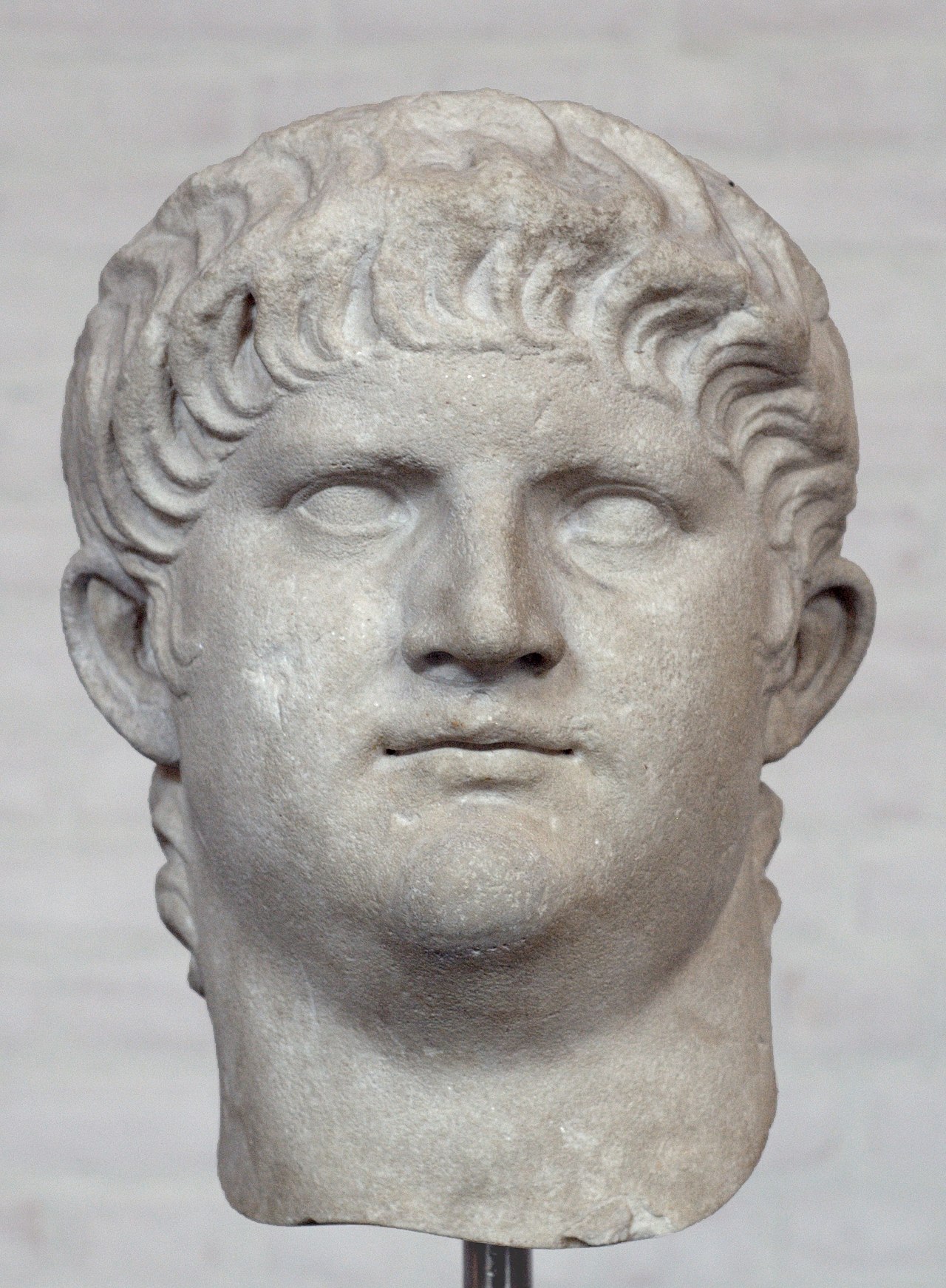


Reign and governance
Nero's early years on the throne were shaped by senior advisers, notably the prefect Burrus and the philosopher Seneca, and were marked by a mix of administrative reforms, public building, and attention to the urban poor. Over time his rule became more autocratic. He is credited with measures to relieve tax burdens in some provinces, patronage of the arts, and ambitious construction projects, including a grand palace complex begun after a major fire.
Notable events and controversies
- Great Fire of Rome (64 AD): A catastrophic blaze destroyed large parts of the city. Ancient sources report controversial responses and later accusations that Nero used cleared land for new building projects.
- Persecution and social policy: Historical writers describe measures against alleged arsonists and episodes of harsh repression, including prosecutions that affected nobles and religious minorities.
- Family and political violence: The period saw violent purges and executions within the imperial family and aristocracy, often attributed in ancient narratives to palace intrigue and rivalries.
Downfall and death
By the late 60s AD Nero faced unrest among provincial leaders and the army. Rebellions in Gaul and Hispania, coupled with waning senatorial support, culminated in his loss of authority. Declared a public enemy by the Senate, he fled Rome and died by suicide on 9 June 68 AD, an event that ended the Julio‑Claudian line and triggered the chaotic Year of the Four Emperors.
Legacy and historical assessment
Nero's image in ancient sources is complex and often hostile; writers such as Tacitus, Suetonius, and Cassius Dio emphasize excesses and cruelty. Modern scholarship tends to contextualize those accounts, balancing reports of misrule with evidence of cultural patronage and administrative action. Nero's dramatic public performances and personal interests in music and theatre also affected how contemporaries and later generations remembered him.
Further reading
For summaries of primary and modern treatments of Nero’s life and reign see general histories and specialized studies on the Julio‑Claudian dynasty and imperial Rome. For topics mentioned above consult sources on Claudius and succession politics (Claudius), ancient practices of adoption in imperial succession, discussions of alleged assassinations at court, and debates about Agrippina’s role in the succession.
Questions and answers
Q: Who was Nero?
A: Nero was the fifth and last Roman Emperor of the Julio-Claudian dynasty.
Q: What was Nero's real name?
A: Nero's real name was Lucius Domitius Ahenobarbus.
Q: How did Nero become emperor?
A: Nero became emperor after his grand-uncle and adoptive father, Claudius, died on 13 October 54.
Q: Who is believed to have assassinated Claudius?
A: Nero's mother, Agrippina the Younger, is believed to have assassinated Claudius.
Q: Why did Agrippina want Nero to become emperor?
A: Agrippina wanted Nero to become emperor to ensure his succession before Claudius' natural son, Britannicus, could gain power.
Q: What was the Julio-Claudian dynasty?
A: The Julio-Claudian dynasty was the first ruling dynasty of the Roman Empire, which lasted from 27 BC to AD 68.
Q: When did Nero die?
A: Nero died on 9 June 68 AD.
Author
AlegsaOnline.com Nero: Roman emperor and last of the Julio-Claudians Leandro Alegsa
URL: https://en.alegsaonline.com/art/127523