
Ebro (Spain): river course, history, and ecological significance
The Ebro is the longest river entirely within Spain. Overview of its course, tributaries, historical role, uses in irrigation and hydropower, and the environmental importance and pressures on the Ebro Delta.
Overview
The Ebro is a major river in northeastern Spain and the longest river entirely within the country. Its course links upland source areas with a broad Mediterranean delta, shaping landscapes, towns and agriculture along the way. Major towns and cities that lie on or near its banks include Reinosa, Miranda de Ebro, Logroño, Tudela, Zaragoza and Tortosa.
Image gallery
8 Images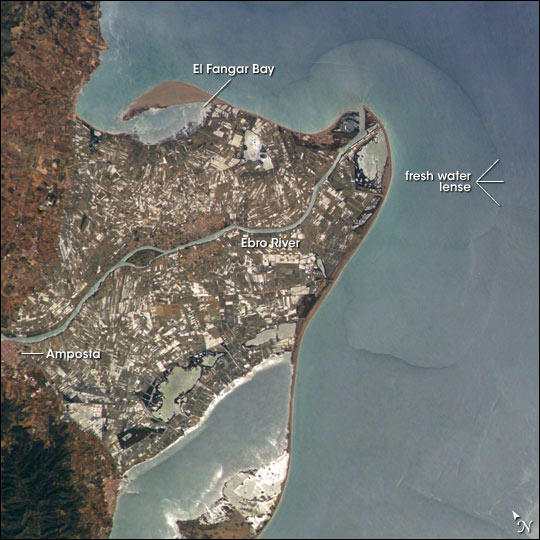


Course and physical characteristics
The river rises in the Cantabrian mountain region near Fontibre and flows southeast across a large basin to empty into the Mediterranean Sea. Along its route it crosses varied terrain — narrow mountain valleys, broad plains and finally the low-lying Ebro Delta on the coast of the province of Tarragona. The basin collects water from many smaller rivers and supports intensive agriculture in several regions.
Tributaries and towns
- Notable tributaries include the Segre, Cinca, Jalón and Aragón, which contribute seasonal flows and sediments.
- Important urban centers along the river have long depended on the Ebro for trade, water supply and industry.
History and human use
Settlements have clustered on the Ebro for millennia; its valley provided routes for commerce and communication from pre-Roman times through the medieval period to the modern era. In the 20th century the river played a prominent role in national events and has been widely regulated: reservoirs and dams were built for irrigation, flood control and hydropower, altering natural flows.
Ecology and the Ebro Delta
The Ebro Delta is one of Spain's most important wetlands, rich in birdlife and aquatic habitats. It is a center for rice cultivation and fisheries but faces environmental pressures: reduced sediment delivery because of upstream dams, water extraction for irrigation, salinization and risks from sea-level rise. Conservation efforts seek to balance agricultural use with protection of habitats and species.
Importance and contemporary issues
Today the Ebro remains vital for regional economies and biodiversity. Water management, sustainable agriculture, and measures to preserve the delta and maintain ecological flows are central policy challenges. For route maps and local information about the river, see general references on the Ebro river and regional guides to towns such as Miranda de Ebro and Zaragoza.
Related articles
Author
AlegsaOnline.com Ebro (Spain): river course, history, and ecological significance Leandro Alegsa
URL: https://en.alegsaonline.com/art/29851