
East Liverpool, Ohio
River city in Columbiana County, historically a major center of ceramic production; covers location, history, cultural institutions, and economic changes.
Overview
East Liverpool is a city in Columbiana County, Ohio, United States. As recorded in the 2010 census, the city had a population of 11,195. It is best known for its historical role in ceramic manufacturing and for its location along a major river corridor.
Image gallery
10 Images




Geography
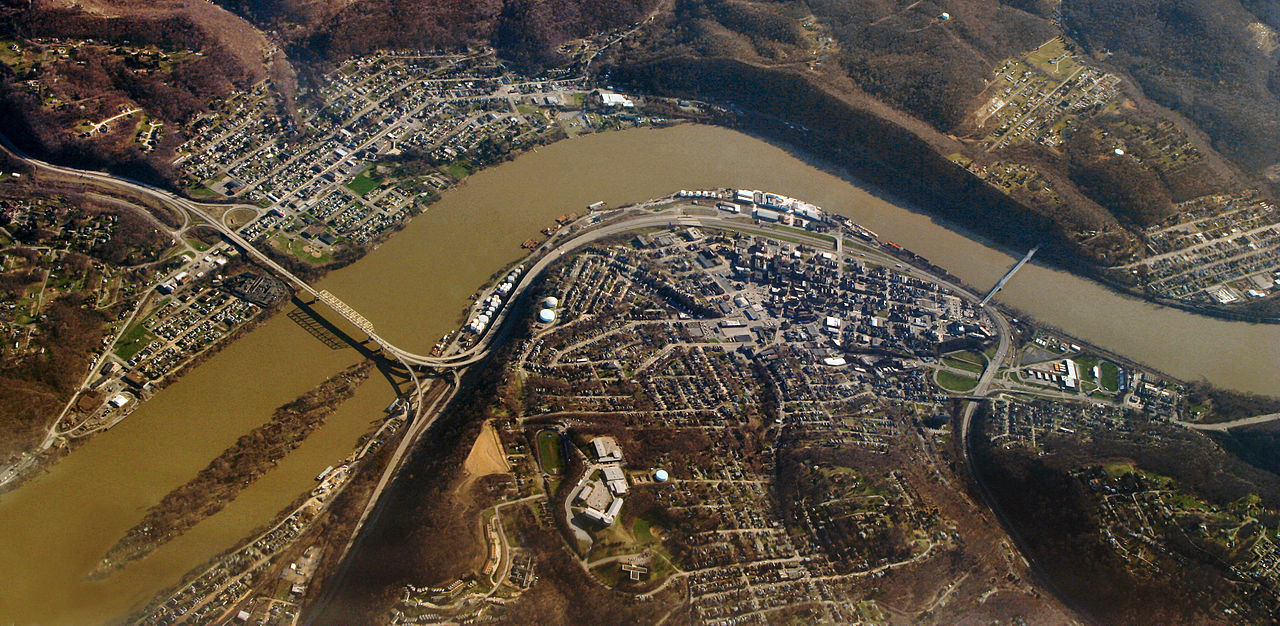
The community sits on the banks of the Ohio River, placing it within a tri‑state area near both Pennsylvania and West Virginia. The river provided water, clay transport and shipping access that shaped settlement patterns and industrial development. The surrounding landscape is a mix of river floodplain and gently rolling hills.
History and industry
Beginning in the 19th century, East Liverpool developed into a nationally important center for pottery and ceramic production. Local deposits of clay, combined with river and rail links, supported numerous factories that produced tableware, sanitary ware and decorative ceramics. The city’s concentration of potteries led observers to refer to it as a dominant node in America's ceramic industry through the early to mid‑20th century.
Cultural institutions and heritage
East Liverpool preserves its ceramic legacy in museums and collections that document manufacturing techniques, product lines and local artisans. Public exhibits and historical societies emphasize the town’s role in American industrial history, while downtown buildings and former factory sites reflect the architectural and economic imprint left by pottery production.
Economy and community life
Like many manufacturing centers, the city experienced economic change as mass production and industry patterns shifted. Employment in traditional pottery declined over decades, and the local economy has diversified to include service industries, small businesses and cultural tourism tied to its heritage. Community organizations and events continue to highlight local history and support revitalization efforts.
Notable facts and distinctions
- East Liverpool’s prominence in ceramics is a major element of its civic identity and is interpreted by museums and historical projects.
- The city’s riverfront location made it part of a broader industrial corridor along the Ohio River, shaping transport and commerce.
- Visitors seeking more information on collections, exhibits or local history can consult municipal and cultural resources maintained by local organizations and museums.
For basic reference and official statistics, historical summaries and current community programs, see local government and heritage organization sources linked above.
Related articles
Author
AlegsaOnline.com East Liverpool, Ohio Leandro Alegsa
URL: https://en.alegsaonline.com/art/29670
Sources
- geonames.usgs.gov : "US Board on Geographic Names"
- factfinder.census.gov : "American FactFinder"