
Dysart et al, Ontario — United Townships municipality
A rural municipality in Haliburton County, Central Ontario, officially incorporated as the Corporation of the United Townships of Dysart, Dudley, Harcourt, Guilford, Harburn, Bruton, Havelock, Eyre and Clyde.
Overview
The municipality commonly known as Dysart et al is officially incorporated as the Corporation of the United Townships of Dysart, Dudley, Harcourt, Guilford, Harburn, Bruton, Havelock, Eyre and Clyde. It is usually shortened to Dysart et al in everyday use. The municipality is a local government unit or municipality located in Haliburton County in Central Ontario, Canada. Its long formal name contains 68 letters, a noteworthy feature often cited as the longest municipal name in Canada.
Image gallery
5 Images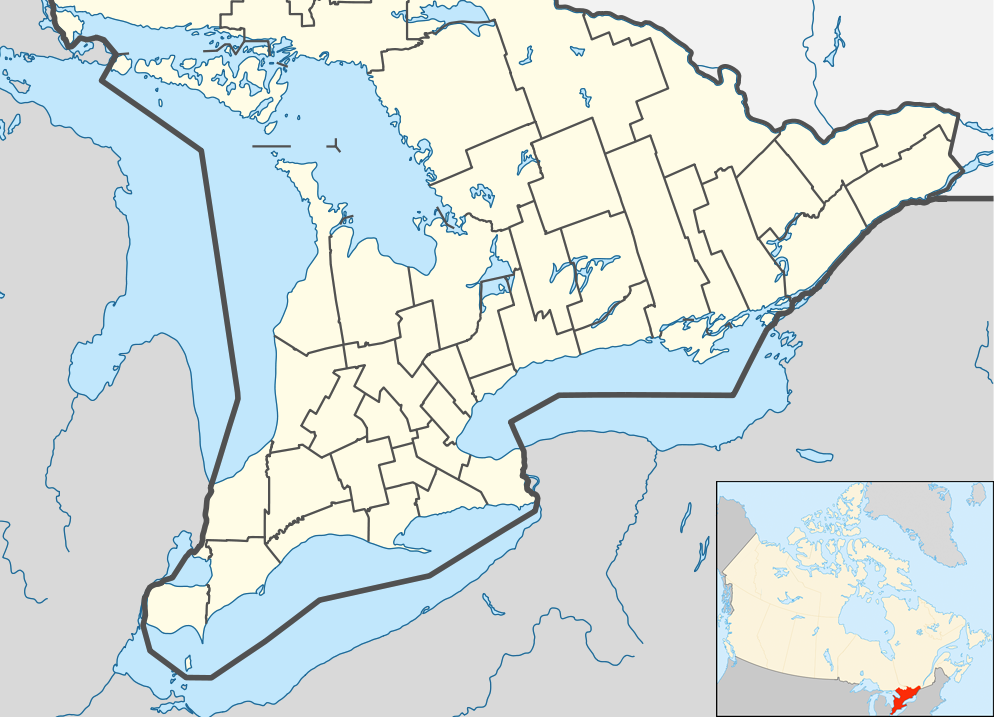



Geography and character
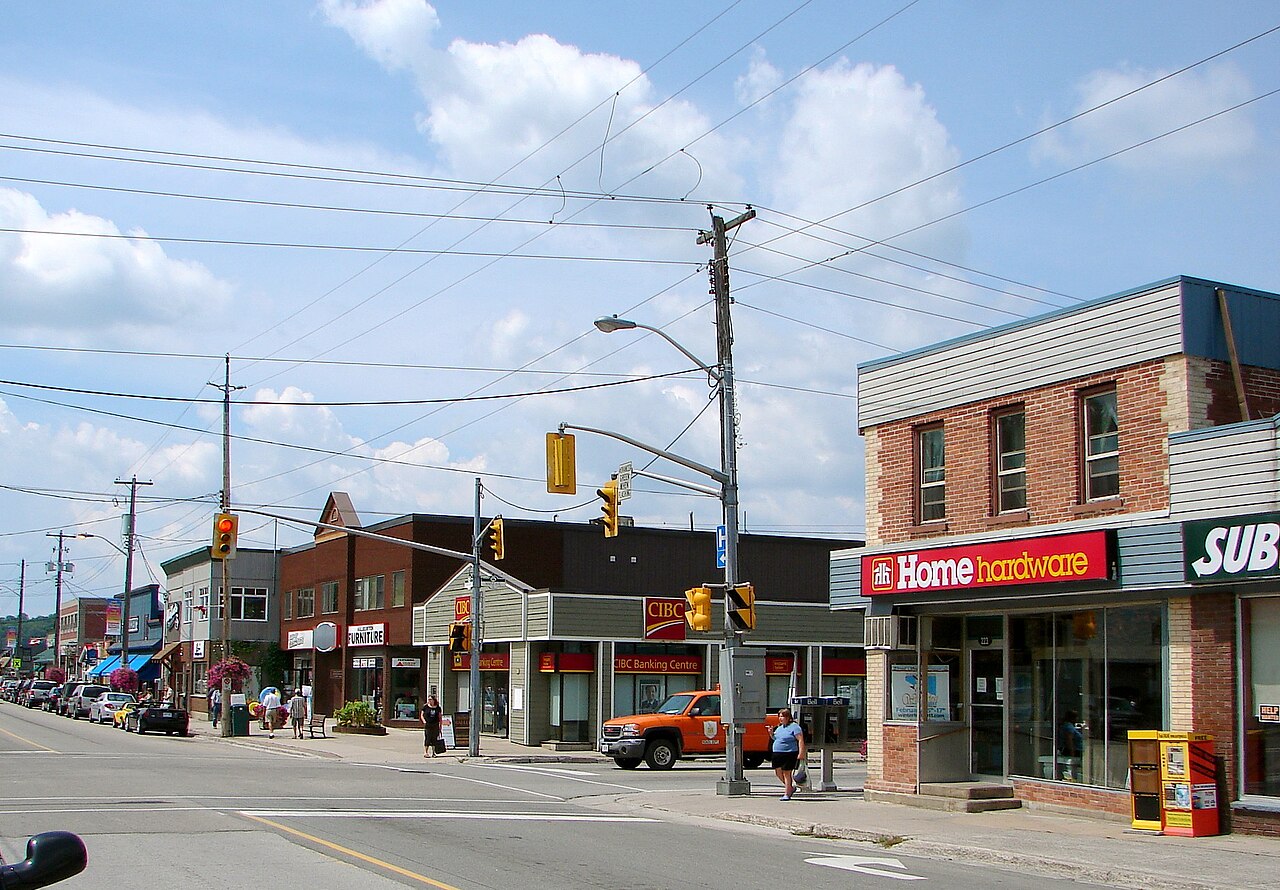
Dysart et al occupies a largely rural, forested region characterized by numerous lakes, rivers and seasonal cottage development. The village of Haliburton serves as the service and commercial centre for the municipality and surrounding townships, with arts, shops, schools and municipal offices. The landscape combines mixed woodlands, freshwater waterfront, and small hamlets; tourism and outdoor recreation are important to the local economy.
Municipal structure and services
The local government is responsible for services typical of Ontario municipalities: local roads, planning and zoning, parks and recreation, emergency services and community programs. As a township-style municipality it represents several originally surveyed townships that were combined for administrative purposes. Residents rely on a mix of permanent homes and seasonal cottages, and the municipality works with county and provincial authorities on infrastructure and environmental stewardship.
History and development
The area was opened to settlement and resource use in the 19th and early 20th centuries through surveying, logging and small-scale farming. Over time, recreational use of lakes and the growth of cottage country transformed parts of the local economy. The present municipal form reflects amalgamation and administrative decisions that grouped neighbouring surveyed townships into a single corporation to coordinate services and land use.
Importance and notable facts
- The full corporate name is ceremonial and appears on official documents and signage; in practice the shortened form is used for everyday references.
- The location is a recognized centre for outdoor recreation in Central Ontario, including boating, fishing, hiking and winter sports.
- Population counts and demographic information are collected by Statistics Canada; for example, the 2011 Census recorded 5,966 residents for the area, a snapshot of its small, dispersed population.
Dysart et al illustrates a common pattern in Ontario: several historic townships administered together to provide local government services in a predominantly rural, lakes-oriented landscape. Visitors and researchers encounter a mixture of municipal administration, seasonal tourism, and conservation priorities when exploring the township and its communities.
Related articles
Author
AlegsaOnline.com Dysart et al, Ontario — United Townships municipality Leandro Alegsa
URL: https://en.alegsaonline.com/art/29436
Sources
- macleans.ca : "8 longest place names in Canada"
- haliburtoncounty.ca : "County of Haliburton Housing Study"