
Dyanne Thorne
American actress, singer and stage performer best known for Las Vegas stage work and as the lead in the 1970s Ilsa film series; remembered for a cult cinema legacy and nightclub career.
Dyanne Thorne (born October 14, 1936, in Greenwich, Connecticut — died January 28, 2020) was an American actress, singer and stage performer. She gained public recognition for her work in live entertainment in Las Vegas and for portraying the title role in the Ilsa film series of the 1970s. Her screen appearances span exploitation and cult cinema and include titles often cited by genre historians and fans.
Image gallery
1 Image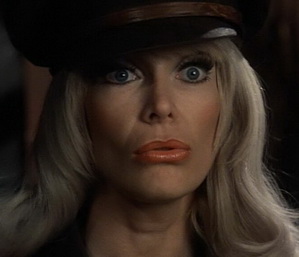
Career and stage work
Thorne began her professional life as a stage performer and singer, building a repertoire that combined dramatic presence with nightclub-style showmanship. She worked in live theater and cabaret settings, where performers commonly mixed song, dance and character sketches. Her Las Vegas appearances established her as a versatile entertainer able to move between musical numbers and more dramatic roles, and she was associated with that city's entertainment scene for much of her career.
Film work and the Ilsa persona
Thorne is best known on screen for playing the central figure in a series of controversial 1970s films that blended exploitation elements with sensational subject matter. The character she portrayed — often called Ilsa — became a recurring on-screen identity that linked several otherwise unrelated films. These pictures were produced and marketed to adult and drive-in audiences and later developed a cult following among collectors of transgressive and exploitation cinema.
Selected filmography
- Ilsa, She Wolf of the SS — the role that defined Thorne's screen persona.
- Chesty Anderson, U.S.N. — a comedy with broad, lowbrow appeal.
- Hellhole — another genre entry among Thorne's screen credits.
Reception, legacy and distinctions
Critical response to Thorne's films was often mixed; mainstream reviewers criticized the films' exploitative approach, while later commentators and fans treated them as notable examples of 1970s underground and cult cinema. Thorne herself became identified with the fierce, transgressive characters she played, an association that both ensured her visibility in genre histories and limited the kinds of roles she was offered. Today she is frequently mentioned in discussions of exploitation film history and the era's distinctive marketing strategies.
Later life and death
In later decades Thorne remained connected to stage performance and to fans of cult film. She died in Las Vegas, Nevada, on January 28, 2020. The reported cause of death was pancreatic cancer. Her career is remembered for its combination of stagecraft, singing and a high-profile association with a controversial set of films that continue to draw scholarly and fan interest.
Related articles
Author
AlegsaOnline.com Dyanne Thorne Leandro Alegsa
URL: https://en.alegsaonline.com/art/29403
Sources
- horrorcultfilms.co.uk : In Loving Memory of Dyanne Thorne