
E. E. Evans-Pritchard
British social anthropologist (1902–1973) known for ethnographic fieldwork among the Azande and the Nuer, his studies of witchcraft and oracles, and his role promoting cultural relativism and careful interpretation.
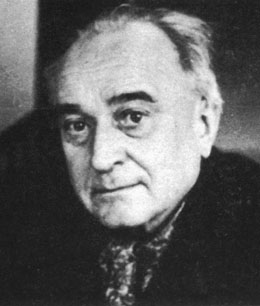
E. E. Evans-Pritchard (Sir Edward Evan Evans-Pritchard, 1902–1973) was a leading British social anthropologist and ethnographer. He is best known for detailed field studies in East Africa and for insisting that other peoples’ beliefs and institutions be understood on their own terms. His work combined careful description, participant observation, and theoretical reflection, and has been widely taught in anthropology courses.
Image gallery
3 Images

Research and methods
Evans-Pritchard carried out extended fieldwork among the Azande and the Nuer, two Nilotic peoples of the Upper Nile region. His fieldwork emphasized living among informants, recording everyday practice, and interpreting social life from inside local frameworks of meaning. He argued that phenomena often dismissed by outsiders as irrational—witchcraft, oracles, ritual—follow internal logics that can be analyzed systematically. These methodological commitments are often summarized under the heading of cultural relativism.
Major works
- Witchcraft, Oracles and Magic among the Azande — a close study of Azande explanations for misfortune and methods for resolving disputes; it treats witchcraft as an intelligible system rather than mere superstition. Read more
- The Nuer — an ethnographic account of kinship, political organization and social life among the Nuer, emphasizing segmentary lineage and pastoral economy. Details
- Other essays and books — contributions to theory, comparative religion and the practice of social anthropology appeared throughout his career and influenced teaching in Britain and beyond. Further reading
He held senior academic posts in Britain, including positions at Oxford, and was recognized for combining empirical depth with conceptual clarity. Later scholars have debated and extended his ideas while building on the descriptive richness of his ethnographies.
Legacy and debates
Evans-Pritchard’s insistence on interpreting local beliefs within their own context helped move anthropology away from ethnocentric judgments. At the same time, subsequent critics have pointed out the limits of studying societies during the era of colonial rule and have explored how power and history shaped the contexts he described. Despite such debates, his books remain foundational texts and continue to be cited for their methodological rigor and sustained attention to social detail. Legacy overview
Related articles
Author
AlegsaOnline.com E. E. Evans-Pritchard Leandro Alegsa
URL: https://en.alegsaonline.com/art/29477