
Drogheda
Drogheda is a historic port and industrial town on Ireland's east coast, known for its Boyne crossing, medieval landmarks, and role as a regional centre.
Drogheda is a town on the east coast of Ireland, about 56 km north of Dublin. Its Irish name, Droichead Átha, means "bridge of the ford" and points to the crossing place that helped the settlement grow. Today it is widely known as an industrial and port town in County Louth.

Set beside the River Boyne, Drogheda has long been shaped by trade, transport, and movement along the east coast of Ireland. It serves as a regional centre for shopping, services, and employment, and it also functions as a commuter town for people travelling to Dublin. Within its legally defined boundaries, Drogheda is among the largest towns in the country, while its wider urban area extends beyond the formal town limits.
Image gallery
10 Images


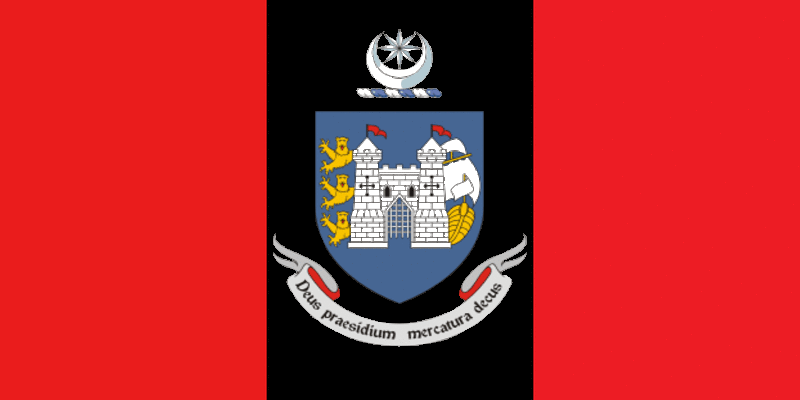


History and urban character
The town grew in importance in the medieval period, when control of the river crossing and access to the port made it strategically valuable. Like many Irish towns of that era, Drogheda developed walls, gates, churches, and civic buildings that still shape its identity. Several structures from different periods survive as reminders of that layered history, from military and religious sites to later civic landmarks.

Among the best-known features are St. Laurence Gate, a fortified medieval gate; the Magdalene Tower, a surviving part of a former religious house; St. Peter's Church, noted for its historic associations; Tholsel, the old town hall and customs building; and Millmount, a prominent hill with a strong place in local memory. The Boyne river remains central to the town's setting and identity.
- Dundalk is often compared with Drogheda because both are major towns in County Louth, but Drogheda is generally the larger urban centre overall.
- The town's combination of historic fabric, industry, and commuting links gives it a character that is both traditional and modern.
- Its location near the Boyne estuary also helps explain its long-standing role in shipping and local commerce.


Related articles
Author
AlegsaOnline.com Drogheda Leandro Alegsa
URL: https://en.alegsaonline.com/art/28966
Sources
- cso.ie : "Census 2011, Preliminary results", Table 8. Central Statistics Office Ireland
- cso.ie : "Census 2006 – Volume 1 – Population Classified by Area"