
Drive-through (drive-thru): overview, design, history and uses
Drive-through service provides contactless, vehicle-based transactions at restaurants, banks and other venues. This article explains design, history, typical uses, advantages, criticisms and distinctions.
A drive-through (often written drive-thru) is a service model that lets people receive goods or services without leaving their vehicle. It grew from a need for speed and convenience, especially where customers value quick transactions and minimal contact. The term applies to lanes, windows or dispensers positioned to serve drivers directly from cars, motorcycles and sometimes bicycles.
Image gallery
10 Images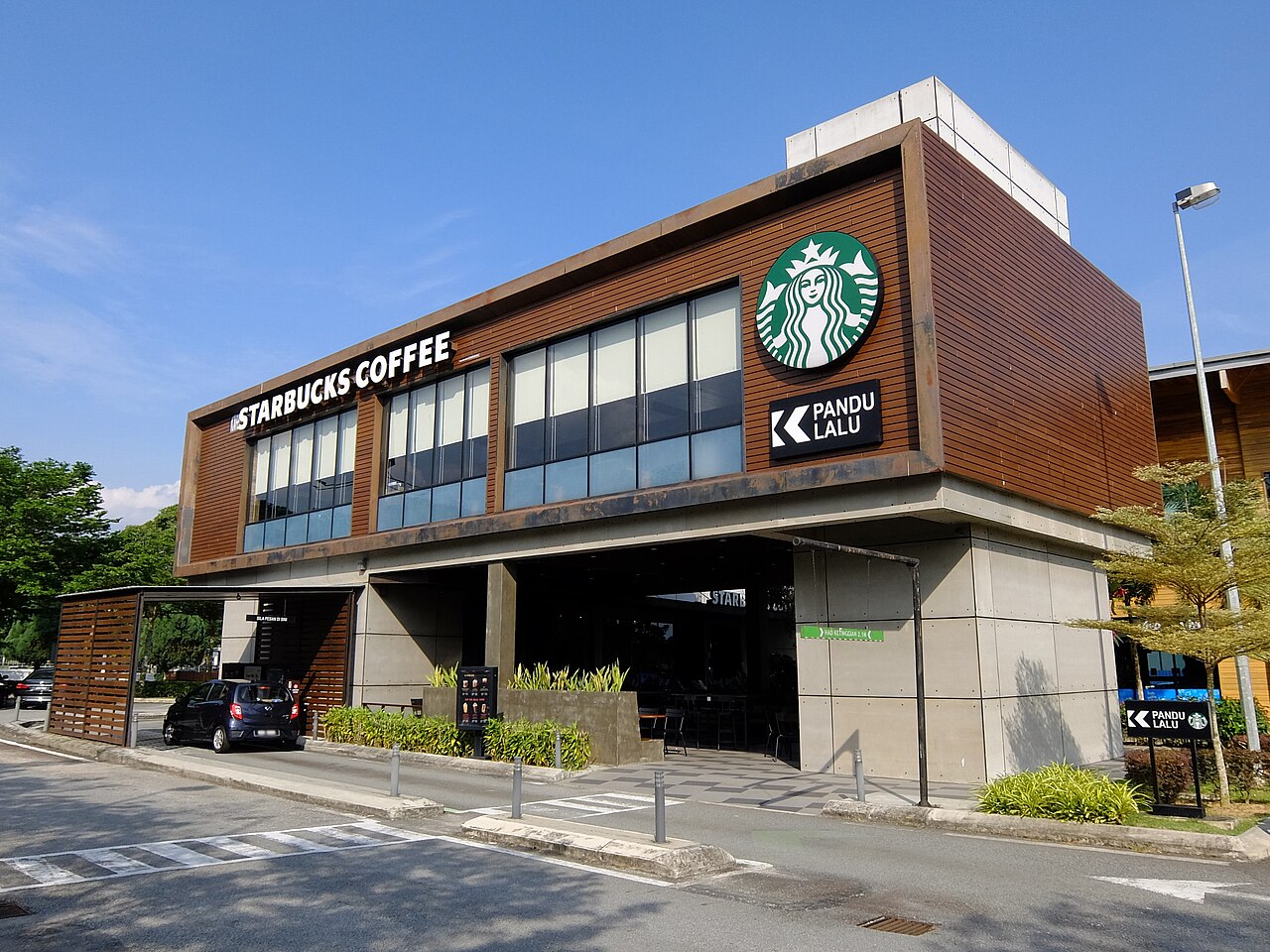




Design and common components
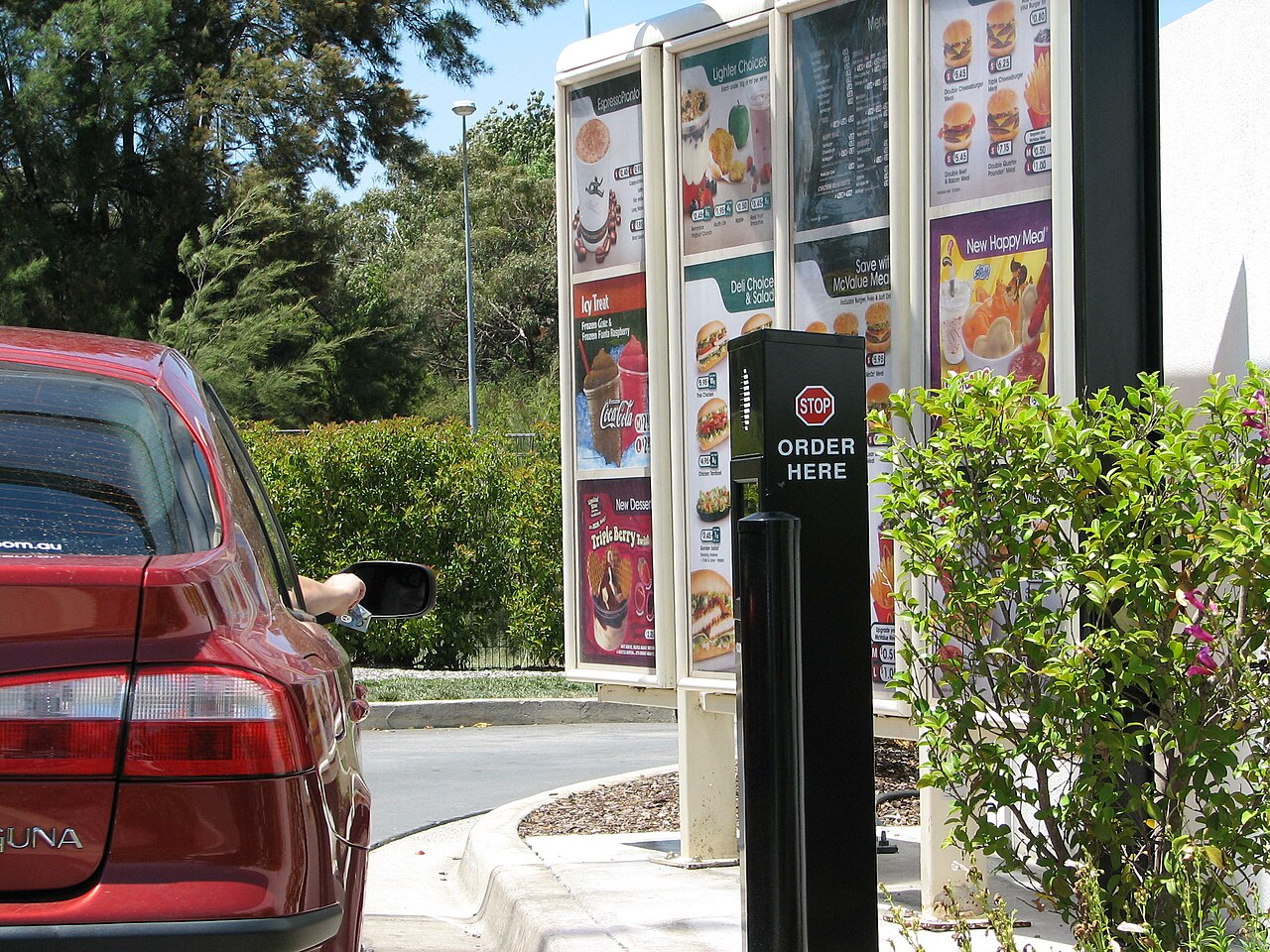
Typical drive-through facilities include an entry lane, an ordering point, a menu display or digital screen, an intercom or microphone for communication, and a pickup window or automated dispenser. Layouts vary from a single lane with one ordering station to multi-lane or double-drive arrangements that increase throughput during busy periods.
- Ordering point: speaker, touchscreen, or app-based check-in.
- Payment and pickup: window, drawer, or dedicated pickup bay.
- Queue management: signs, attendants, or timed lighting to control flow.
Origins and development
The drive-through concept emerged alongside greater automobile ownership and the rise of fast-service businesses. Over the twentieth century it became widespread in many countries, adapting to new technologies such as electronic intercoms, point-of-sale systems, and mobile ordering. Public health concerns and demand for contactless options accelerated innovation in recent years.
Typical uses and examples
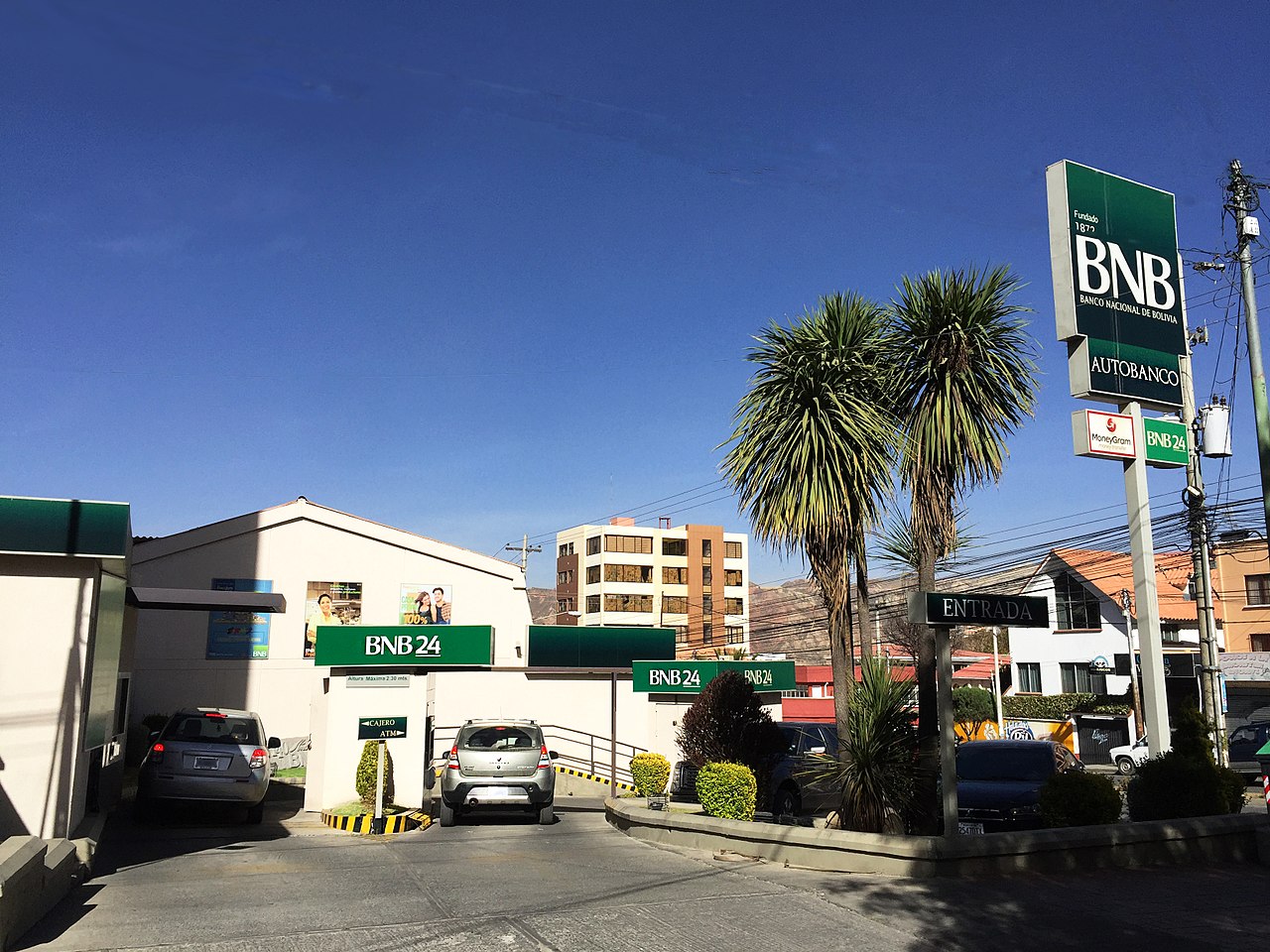
Restaurants are the most visible users of drive-through lanes, especially quick-service outlets where speed is central. Many restaurants use drive-throughs as a primary sales channel. Financial institutions operate drive-through teller windows and ATMs; see examples at some banks. Coffee chains often rely heavily on drive-through lanes for morning business coffee shops.
Benefits and criticisms
Drive-throughs offer convenience, faster service for many customers, and accessibility for those who cannot easily leave a vehicle. Critics point to increased traffic congestion, idling emissions, safety hazards for pedestrians, and limits on menu complexity compared with in-store service. Urban planners sometimes regulate drive-throughs for land use and environmental reasons.
Distinctions and notable facts
Drive-through is distinct from a drive-in: in a drive-in, patrons park and may be served while remaining in place. Curbside pickup and delivery are related alternatives that eliminate the ordering lane but still provide vehicle-side service. Technological trends—mobile apps, digital menus, and automated lockers—continue to reshape how drive-throughs operate and how businesses balance speed with customer experience.
Related articles
Author
AlegsaOnline.com Drive-through (drive-thru): overview, design, history and uses Leandro Alegsa
URL: https://en.alegsaonline.com/art/28956