
Almanac: annual reference of calendars, astronomy, weather and practical data
Almanac — an annually published reference compiling calendars, astronomical data, weather and tide forecasts, planting and navigation tables, civic dates, statistics, and practical lists for planning and reference.
Overview
An almanac is a compact, annually published reference that gathers time-sensitive factual material used for planning and reference. Traditionally issued once a year, almanacs summarize information tied to the coming year: calendar dates, astronomical events, astronomical data such as sun and moon rise/set times, and practical guides like weather forecasts and planting guides. They function as a bridge between calendrical information and everyday decision-making.
Image gallery
8 Images
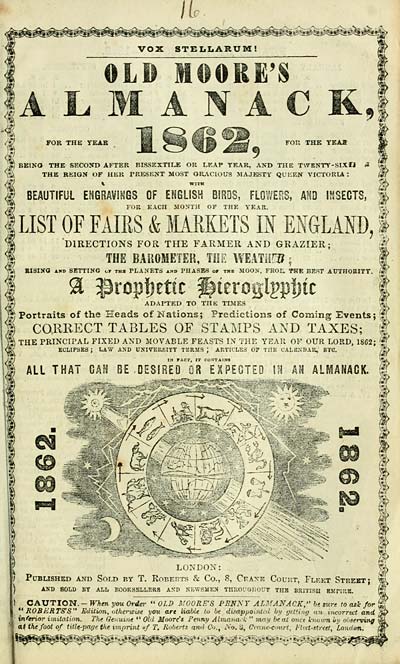


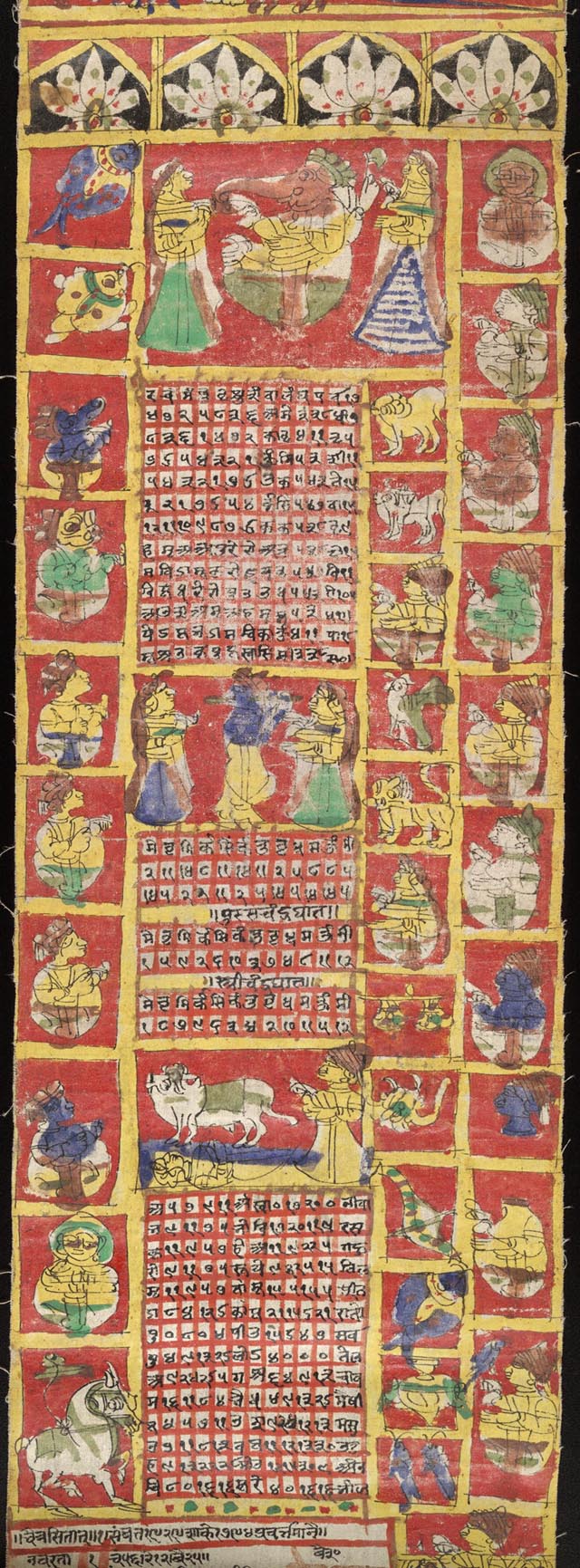
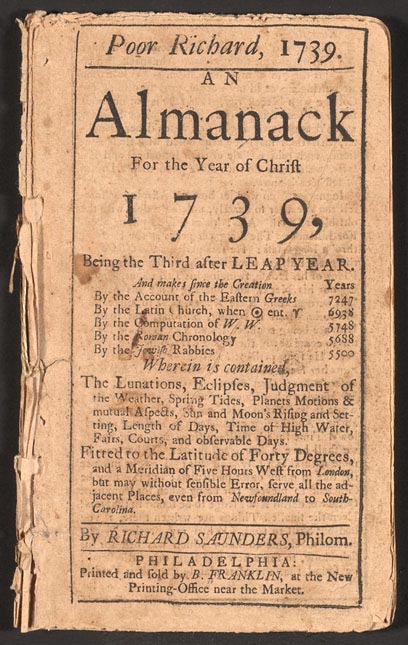
Typical contents and formats
Almanacs vary in scope but commonly include lists, tables and short articles. Typical entries are presented concisely so users can look up facts quickly:
- Calendar and festival dates, civic and legal terms.
- Tide tables and hours of high and low water (tide tables).
- Astronomical ephemerides: moon phases, eclipses, planetary positions and sunrise/sunset times (astronomical data).
- Weather outlooks and agricultural advice, including recommended planting dates.
- Statistical summaries, maps, sports records, important lists and reference notes.
History and development
Compilations of calendrical and astronomical facts date back to antiquity, when societies tracked seasons for agriculture and navigation. Over centuries such material coalesced into annual booklets and, after the advent of printing, into widely distributed almanacs. By the modern era printed almanacs ranged from pocket-sized farmer's guides to comprehensive national yearbooks and specialized nautical almanacs for maritime navigation.
Uses, examples and practical importance
Almanacs serve farmers, sailors, clergy, judges, hobbyists and the general public. Farmers use planting dates and frost averages; mariners rely on tide tables and celestial coordinates; planners use festival and court-term dates. Popular yearly titles mix practical data with essays, folklore, and reader contributions. Some long-running titles have become cultural institutions, published continuously for many decades.
Distinctions and notable facts
An almanac differs from an encyclopedia in being time-bound and focused on the coming year rather than a broad, permanent survey of knowledge. It differs from a calendar by including extensive reference material beyond day-to-day dates. Many almanacs historically included astrological methods to forecast weather and events, but modern editions generally base forecasts on climatology and scientific models. For further reference and digital resources see additional links and specialized astronomical or meteorological services.
Types: general almanacs, farmers' almanacs, nautical almanacs, statistical yearbooks and pocket almanacs—each tailored to different users but all sharing the core purpose of annual, practical reference.
Related articles
Author
AlegsaOnline.com Almanac: annual reference of calendars, astronomy, weather and practical data Leandro Alegsa
URL: https://en.alegsaonline.com/art/2891