
Drakensberg: the Dragon Mountains of Southern Africa
The Drakensberg are Southern Africa's highest range, famed for steep escarpments, high plateaus, waterfalls, San rock art and the uKhahlamba‑Drakensberg World Heritage area spanning South Africa and Lesotho.
The Drakensberg — from Afrikaans Drakensberge, literally "Dragon Mountains" — form the highest mountain range in Southern Africa. The range stretches across eastern South Africa and into Lesotho, where the mountains are commonly called the Maloti. The highest summit in the range and in Southern Africa is Thabana Ntlenyana. Rivers that rise in the Drakensberg feed major watersheds and sustain communities far downstream; for regional context see Lesotho.
Image gallery
10 Images






Geography and notable features
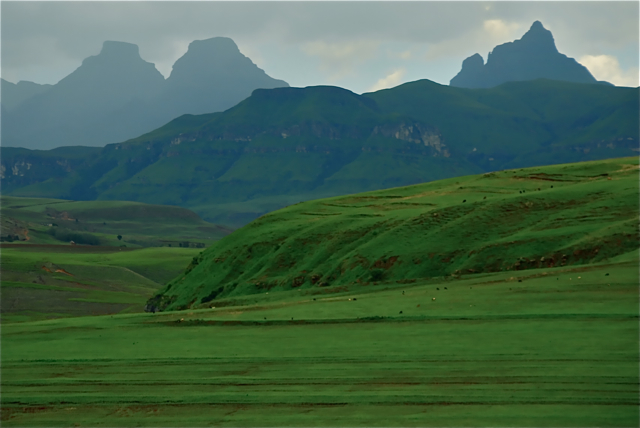
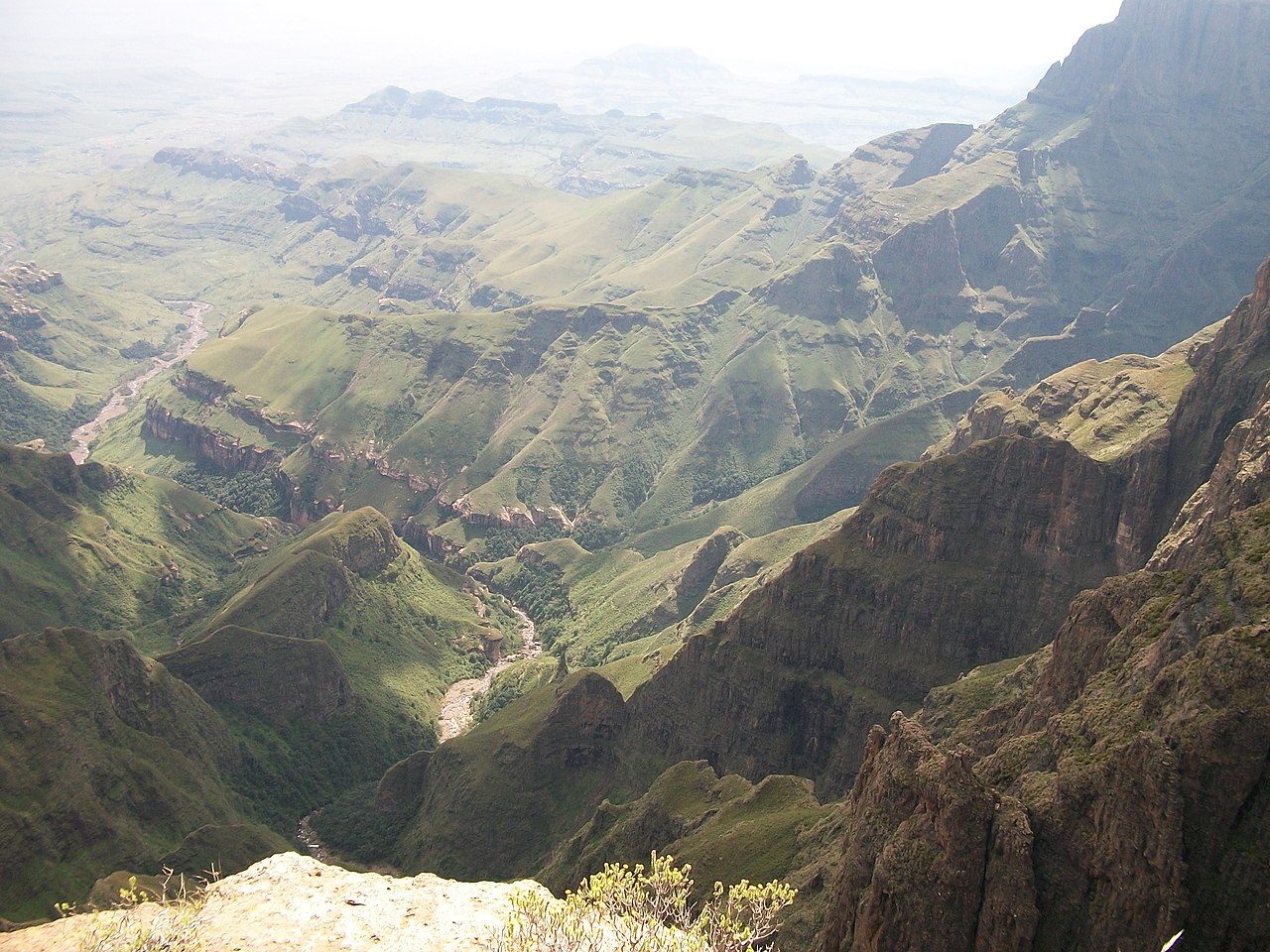
The Drakensberg extend in a broadly northeast–southwest direction and present a dramatic escarpment on the eastern edge. The range includes high plateaus, deep valleys and cliffs, with numerous waterfalls and cascades; the Tugela Falls, on the eastern escarpment, is often cited among the world's highest waterfalls and is a striking local landmark (waterfalls of the region are widely visited). The mountains separate coastal and inland climates and produce varied weather and hydrology.
Geology and landscape evolution
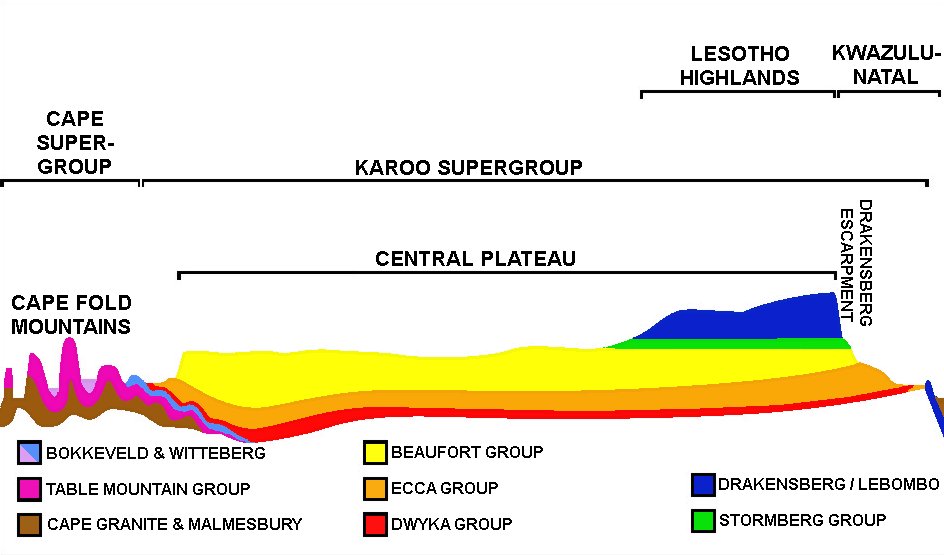
The landscape reflects a long geological history: extensive volcanic lavas capped older sedimentary rocks, creating a resistant basalt caprock that forms cliffs and terraces. Erosion over millions of years carved valleys, amphitheatres and buttressed escarpments. Cold winters at higher elevations and seasonal snow can occur on the loftier peaks.
Ecology and biodiversity
Vegetation ranges from montane grassland through heath and alpine communities on the highest slopes. Upland wetlands, streams and rocky outcrops support a mix of endemic and regionally important plants and animals. The mountains are important for water capture, storing and releasing moisture that benefits lower-lying agricultural and urban areas.
Cultural heritage and rock art
The Drakensberg host extensive cultural heritage, especially rock paintings created by San peoples. These paintings appear in caves and shelters and record aspects of spiritual beliefs, hunting scenes and animal imagery; many are documented in studies and public resources on San rock art.
Protection, recreation and challenges
Parts of the range are protected, most notably within the uKhahlamba‑Drakensberg Park, inscribed as a UNESCO World Heritage Site in 2000 for both natural and cultural values; see uKhahlamba-Drakensberg Park. Conservation priorities include protecting fragile alpine grasslands, managing grazing and invasive plants, preserving archaeological sites, and securing water resources. The mountains attract hikers, mountaineers and nature observers, with routes that range from short walks to multi-day treks and challenging peaks.
- Highlights: rugged escarpments, high plateaus, waterfalls and extensive rock art
- Activities: hiking, birdwatching, cultural visits, nature study and guided tours
- Conservation: protected areas, community involvement, research and sustainable tourism
Related articles
Author
AlegsaOnline.com Drakensberg: the Dragon Mountains of Southern Africa Leandro Alegsa
URL: https://en.alegsaonline.com/art/28870