
Drag queen: performance, culture, and social meaning
An overview of drag queens: who performs drag, common styles and venues, historical roots, cultural impact, and distinctions from gender identity and related forms of performance.
Overview
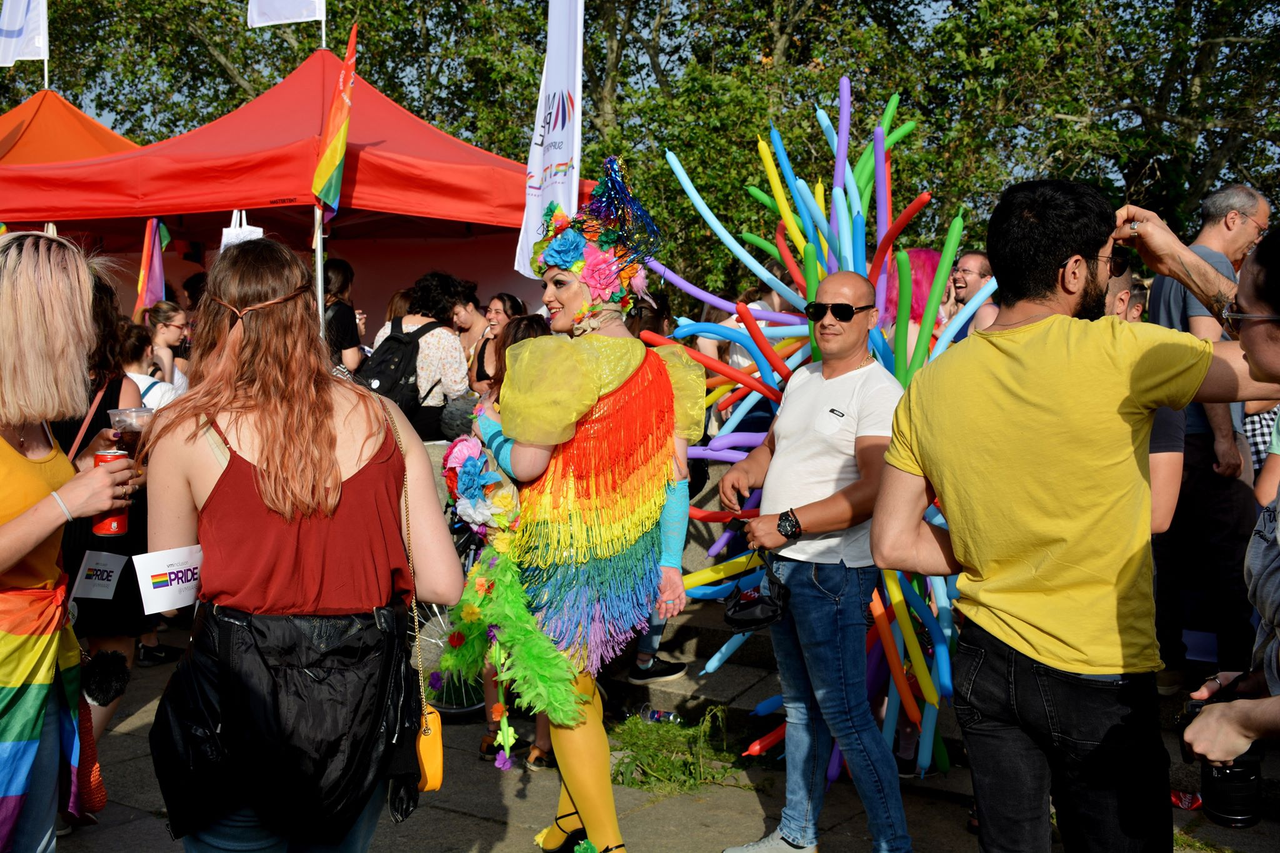
A drag queen is a performer who adopts an exaggerated feminine presentation for entertainment, satire, or artistic expression. While the most visible drag queens have historically been men who dress as women, people of many gender identities—including cisgender women, transgender people, and non-binary performers—may present as drag queens. Drag is fundamentally a form of performance and persona-building: the goal is usually theatrical effect rather than an attempt to live full-time as another gender.
Image gallery
10 Images




Characteristics and performance styles
Drag queens often amplify elements of femininity—elaborate makeup, dramatic eyelashes, wigs, corsetry, and high heels—to create a larger-than-life character. Styles and genres vary widely. Common approaches include:
- Lip-synch and theatrical numbers — carefully choreographed routines to recorded music.
- Comedy and improv — stand-up and audience interaction, often using satire.
- Pageantry and glamour — focus on couture, walk, and judged competitions.
- Camp and avant-garde — deliberately exaggerated, ironic, or experimental looks.
- Live vocals and dance — full musical performances or dance showcases.
History and development
Drag as a theatrical device has roots in ancient and early modern theater traditions where cross-gender casting was common. In Western popular culture, female impersonation and drag emerged in vaudeville, burlesque, and music hall entertainments, and later became integrated into queer nightlife and cabaret scenes. Over the 20th and 21st centuries, drag evolved from club-based shows and local pageants into mainstream visibility through film, television, and streaming competitions.
Venues, competitions, and media presence
Drag queens perform in a wide range of settings: nightclubs, pride parades, theater, corporate events, and community fundraisers. Competitive formats and reality television have popularized the art form worldwide; for many viewers the most familiar figure is the American entertainer RuPaul, who brought drag into mass media through television. Films such as The Birdcage and The Adventures of Priscilla, Queen of the Desert introduced broader audiences to drag culture and its social themes. For more on performance histories and modern media, see related resources.
Cultural significance and community roles
Beyond entertainment, drag has played a role in LGBTQ+ community building, political protest, and social commentary. Drag performers frequently raise funds for causes, host benefit events, and participate in pride demonstrations. The art form can be a site of resistance—using humor and visibility to challenge gender norms—and also a platform for activism and education. For discussions about representation and politics, consult commentary at additional analyses.
Distinctions, controversies, and terminology
Drag is sometimes conflated with transgender identity, but the categories are not equivalent. Many transgender people do not perform drag, and many drag performers are not transgender; drag is an artistic role rather than an automatic indicator of gender identity. Other related terms include "female impersonator," which historically emphasized realistic illusion, and "drag king," a performer who presents masculinity. Debates within and outside LGBTQ+ communities address issues like cultural appropriation, gatekeeping, and the commercialization of drag. For information on competitions and popular culture influences, see media overviews and further reading.
Related articles
Author
AlegsaOnline.com Drag queen: performance, culture, and social meaning Leandro Alegsa
URL: https://en.alegsaonline.com/art/28834