
RuPaul: Drag Performer, Entertainer, and Cultural Figure
RuPaul (born RuPaul Andre Charles) is an American drag performer, television host, recording artist and author whose work helped bring drag into mainstream culture, notably through RuPaul's Drag Race.
Overview
RuPaul Andre Charles (born November 17, 1960) is an American entertainer best known for bringing drag performance into mainstream popular culture. He has worked as an actor, drag queen, model, author, and singer-songwriter. Over several decades RuPaul has ranged from nightclub stages to television studios and recording studios, developing a public persona that mixes glamour, camp, and motivational self-help style advice.
Image gallery
6 Images


Early life and club career
RuPaul first gained attention in the 1980s and early 1990s as a fixture of the Atlanta and New York City gay club scenes. He spent formative years performing in clubs in Atlanta and New York City, where he refined his stagecraft and image and built a reputation that bridged underground nightlife and emerging mainstream interest in club culture.
Music and recordings
In the early 1990s RuPaul reached a wider audience with dance-pop recordings and music videos that received play on music television. A high-profile single and album in that period introduced his persona to a broader mainstream audience and established him as a crossover recording artist within dance and popular culture.
Television career and Drag Race
RuPaul hosted a short-running talk show on VH1 and later created and fronted a competition series, RuPaul's Drag Race, which debuted in the 2000s. The program evolved into an international franchise with multiple seasons, spin-offs and touring events. As host, mentor and executive producer, RuPaul has shaped the series' tone, signature phrases and the format used to introduce new generations of performers to mainstream audiences.
Persona, style, and language
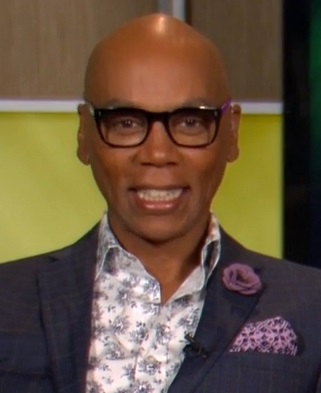
RuPaul's public persona blends high-fashion aesthetics, theatrical camp and humor with memorable catchphrases used on television and in publicity. He frequently moves between an exaggerated, highly styled drag character and a more private or unmade-up public presence. He has indicated an openness to gendered pronouns in public life, famously saying: "You can call me he. You can call me she. You can call me Regis and Kathie Lee; I don't care! Just as long as you call me." That stance has been discussed in media coverage of gender, performance and identity.
Cultural impact and recognition
RuPaul's work is widely credited with helping normalize drag performance on television and in mainstream entertainment. The visibility created by his programs and recordings has allowed many former contestants and collaborators to build careers in media, fashion and live performance. His television projects have received industry recognition and awards, and the show's vocabulary and format have become part of wider popular culture.
Publications, projects and business roles
Beyond performance, RuPaul has published books and produced a range of media projects that reflect his approach to self-presentation, resilience and entrepreneurship. He has worked as a creative leader on television productions and contributed vocals, writing and branding efforts that extend his reach beyond stage and screen.
Personal life and ancestry
RuPaul is usually credited as RuPaul Charles in professional contexts and has occasionally taken on non-drag acting roles. In 2020 he and New Jersey senator Cory Booker learned they are distant relatives during an appearance on a genealogy program. His early life in American club culture and later mainstream success are frequently highlighted in profiles and cultural histories.
Further reading and resources
For introductions to RuPaul's work, consider recorded music, televised seasons of his competition shows, and his published writing and interviews. Official program pages and publisher profiles provide curated information about seasons, releases and public appearances. Coverage in mainstream and LGBTQ+ media provides historical context for his influence on representation and performance practice.
- Key areas: performance, television production, recorded music, published writing.
- Notable phrases and concepts from his shows have entered popular usage and are often cited in studies of media and gender.
- RuPaul's career demonstrates the movement of a subcultural performance form into global entertainment.
RuPaul's life and career continue to evolve; he remains an active figure in entertainment and cultural discussions about performance, identity and popular media.
Author
AlegsaOnline.com RuPaul: Drag Performer, Entertainer, and Cultural Figure Leandro Alegsa
URL: https://en.alegsaonline.com/art/130182