
Downtown (owarai): Hitoshi Matsumoto and Masatoshi Hamada
Prominent Japanese comedy duo formed in the early 1980s, known for manzai roles, variety shows including Gaki no Tsukai, physical comedy, annual 'batsu' specials and broad influence on modern owarai.
Downtown is one of Japan's most influential comedy duos in contemporary owarai (Japanese stand-up and variety comedy). The pair consists of Hitoshi Matsumoto and Masatoshi Hamada. They rose to national prominence after beginning their partnership in the early 1980s while associated with Yoshimoto Kōgyō's NSC (New Star Creation), and since then have been central figures on Japanese television, radio and in live performance.
Image gallery
4 Images

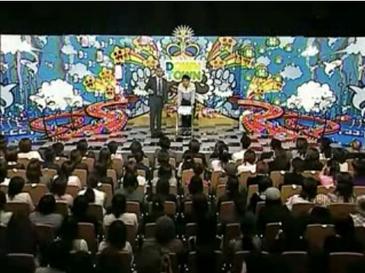

Overview and comedic roles
Downtown's act is rooted in manzai tradition, a fast-paced two-person form of comedy that pairs a boke (funny/absurd partner) with a tsukkomi (straight partner who reacts/sharpens jokes). In the duo, Matsumoto typically occupies the boke role with surreal, offbeat or intentionally foolish lines and behavior; Hamada generally serves as the tsukkomi, responding with sharp retorts and often exaggerated physical responses. Their dynamic blends rapid verbal interplay with sketches, physical comedy and edited television segments that amplify timing and surprise.
Major programs and formats
Over several decades Downtown has created and hosted a range of influential television programs. Their work spans comedy sketch shows, variety formats and music-TV hybrids. Notable series include:
- Downtown no Gaki no Tsukai ya Arahende!! — a long-running variety show famous for its elaborate pranks, sketches and yearly "No-Laughing" (batsu) specials where participants endure comedic punishments if they break the rule against laughing.
- Downtown no Gottsu Ee Kanji — an earlier sketch and talk program that showcased their versatility and helped shape modern variety TV conventions.
- Downtown DX — a late-night variety show format mixing interviews and comedy segments.
- Hey! Hey! Hey! Music Champ — a music and talk program where the duo interviewed pop artists while blending conversation with comic interludes.
History and development
Matsumoto and Hamada began performing together after enrolling in Yoshimoto Kōgyō's training program in the early 1980s. They steadily built a reputation for sharp timing, inventive sketches and a willingness to push entertainingly abrasive interactions on camera. By the late 1980s and 1990s they were fixtures on national television, helping to popularize new variety formats that combined live-stage energy with rapid television editing and recurring staged games.
Style, recurring elements and influence
Key features of Downtown's comedy include the boke/tsukkomi interplay, repeated bits that evolve over time, and physical slapstick exemplified by the tsukkomi's corrective gestures. Their shows regularly use structured contests, punishments (batsu games), improvised reactions and celebrity guests who participate in set pieces. The duo's long partnership and creative risks have influenced generations of Japanese comedians and variety producers, establishing tropes now common across owarai programming.
Notable distinctions and legacy
Beyond television, members of Downtown have pursued individual projects that extend their cultural reach. Matsumoto has engaged in film direction and other creative work that highlights his interest in offbeat, cinematic comedy; Hamada has continued to be associated with the duo's forceful tsukkomi persona. As a pair, Downtown remain celebrated for their longevity, their role in shaping modern variety television in Japan, and their ability to adapt formats—talk, sketch, game and music shows—while keeping a distinctive comic voice.
As an archetype of postwar Japanese variety comedy, Downtown exemplifies how traditional manzai roles can be recombined with mass-media production to produce long-running, culturally resonant entertainment. Their programs continue to serve as a reference point for both performers and audiences exploring the boundaries of televised humor.
Related articles
Author
AlegsaOnline.com Downtown (owarai): Hitoshi Matsumoto and Masatoshi Hamada Leandro Alegsa
URL: https://en.alegsaonline.com/art/28790