
Dragoslav Šekularac — Serbian footballer and coach
Dragoslav Šekularac (1937–2019) was a celebrated Serbian footballer known for his creativity and dribbling for Red Star Belgrade and the Yugoslavia national team; later he coached, including a spell with Guatemala.

Overview
Dragoslav Šekularac (Serbian Cyrillic: Драгослав Шекуларац) was a prominent Serbian football player and coach, born on 8 November 1937 in Štip, then part of Vardar Banovina, Yugoslavia (birthplace). Widely known by the nickname Šeki, he became one of the most recognisable attacking players in Yugoslavia during the 1950s and 1960s, particularly for his time with Red Star Belgrade and for representing the Yugoslavia national team.
Image gallery
3 Images

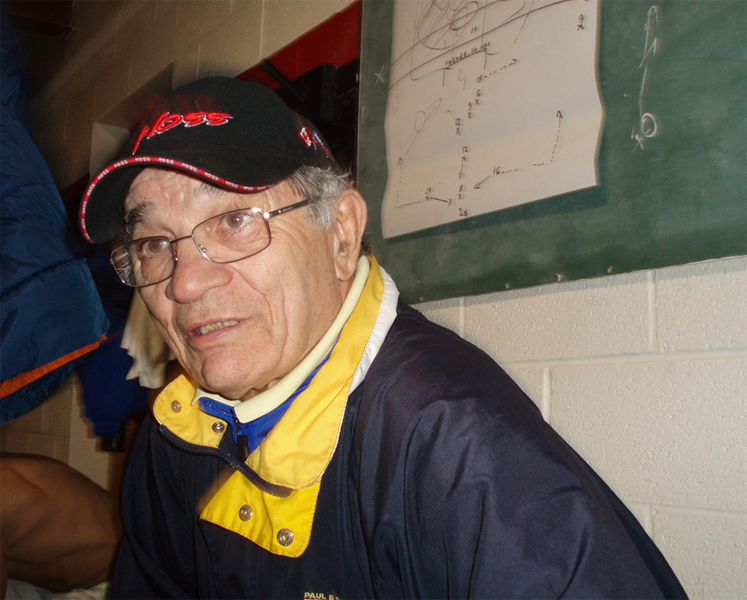
Playing style and club career
Šekularac was celebrated for quick feet, inventive dribbling and a flair for improvisation that made him a fan favourite. He primarily operated in advanced midfield and forward roles, where his vision and ball control helped create chances and entertain crowds. His performances at Red Star Belgrade established him as a leader of the side and a central figure in domestic competition.
Coaching career and international work
After his playing days, Šekularac turned to coaching and worked in several countries. Among his appointments was a stint leading the Guatemala national team during the qualifying campaign for the 1986 FIFA World Cup (Guatemala). He also coached at club level and contributed to youth development, carrying forward the technical approach that defined his playing style.
Legacy and notable facts
- Remembered as an emblematic creative player from the former Yugoslavia whose flair influenced generations of Balkan footballers.
- Praised for showmanship and technical skill rather than purely statistical records.
- Maintained a public presence in Serbian football culture long after retirement, often cited in discussions of classic Yugoslav talent.
Later life and death
In later years Šekularac faced health challenges. He died in Belgrade on 5 January 2019 (Belgrade), with reports citing complications related to Alzheimer's disease. His passing prompted widespread tributes from fans, former teammates and football commentators who recalled his creativity and influence on the game in the region.
For a fuller picture of his matches, honours and coaching record consult contemporary club histories and national team archives, which document both his on-field flair and his long association with the sport.
Related articles
Author
AlegsaOnline.com Dragoslav Šekularac — Serbian footballer and coach Leandro Alegsa
URL: https://en.alegsaonline.com/art/28854
Sources
- kurir.rs : "LEGENDA DVA PUTA ROĐENA: Dragoslav Šekularac proslavio 158. rođendan!"
- vijesti.me : Umro Dragoslav Šekularac