
Douglas — Chicago community area on the South Side
Douglas is one of Chicago's 77 official community areas on the South Side, named for Stephen A. Douglas. It includes the Camp Douglas site, former Old University lands and areas near McCormick Place.
Overview
Douglas is one of the 77 official community areas of Chicago and occupies a portion of the city's South Side. The area takes its name from the 19th‑century Illinois politician Stephen A. Douglas, whose estate once included tracts of land that later were subdivided and repurposed. The community area today contains a mix of residential blocks, institutional grounds and parcels adjacent to the lakefront and major civic facilities.
Image gallery
6 Images


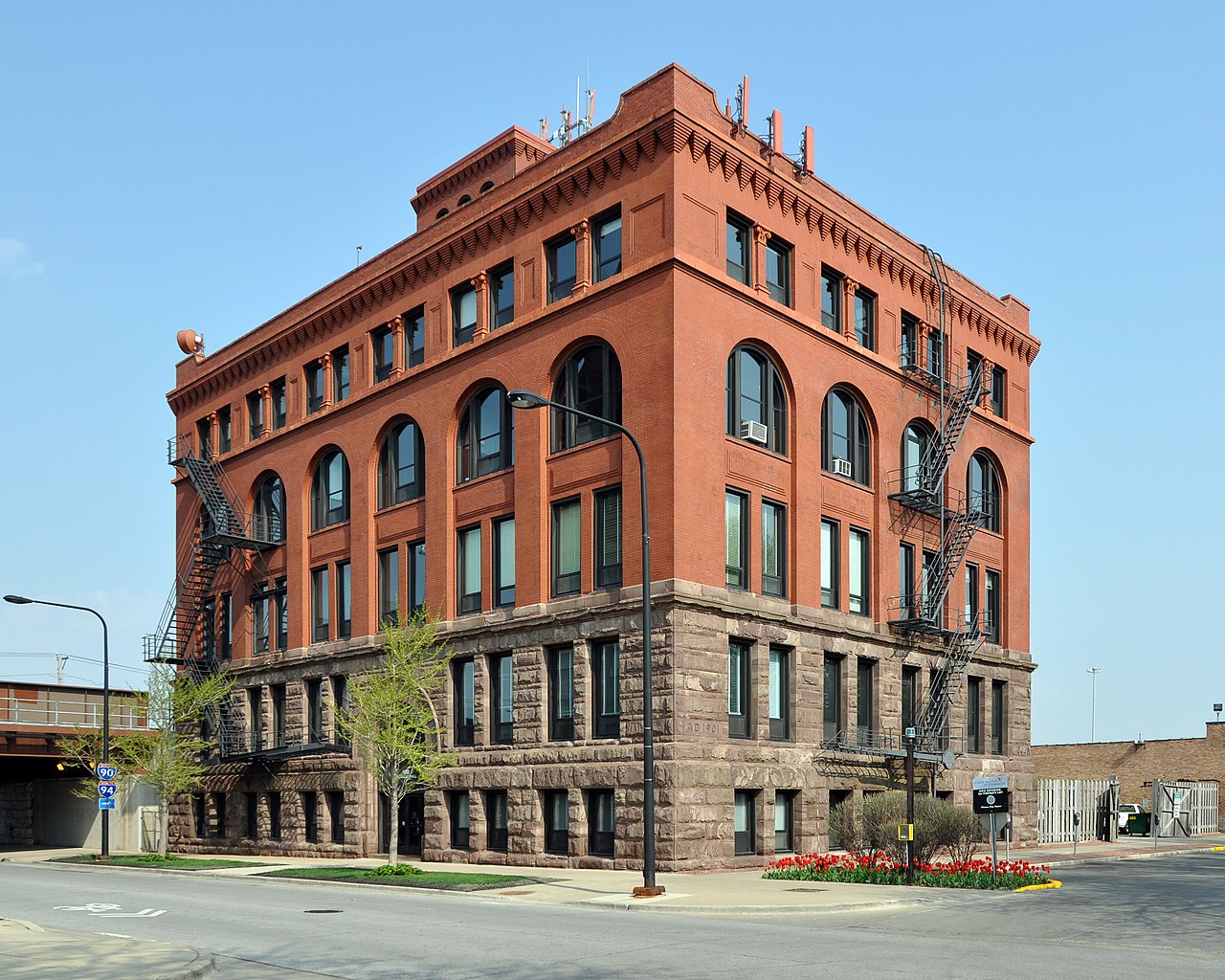

Geography and character
Douglas lies south of the central business district and borders other Near South Side neighborhoods. Its eastern edge approaches the lakefront and the large convention complex known as McCormick Place. The neighborhood's built environment includes historic single‑family homes, apartment buildings, institutional campuses and former industrial or transportation sites that have been repurposed for parking, storage or potential redevelopment. The community area is compact in footprint but is shaped by its proximity to major downtown functions and waterfront facilities.
History
The neighborhood's origins are tied to the 19th‑century estate of Stephen A. Douglas. Portions of that estate, including land near Cottage Grove Avenue and 35th Street, were given or sold for educational and civic uses. The early Old University of Chicago established a presence in the area; that institution is distinct from the modern University of Chicago but left a legacy in local place names and parcels associated with higher education. In the American Civil War the eastern portion of the present community was the site of Camp Douglas, a Union Army facility that served as a training camp and prisoner‑of‑war enclosure. Contemporary accounts and later historical study note difficult conditions at Camp Douglas, and the site is remembered as an important component of local and national Civil War history.
Landmarks and institutions
- Sites and markers associated with Camp Douglas and Civil War history.
- Parcels once used by the Old University of Chicago and other institutional grounds.
- Proximity to the McCormick Place complex, transportation corridors and service areas that support conventions and events.
Development, planning and the 2016 Olympic proposal
Large tracts of land near McCormick Place and the lake have long attracted planning interest because they offer opportunities for redevelopment. When Chicago prepared its bid to host the 2016 Olympic Games, city planners proposed constructing an Olympic Village on a large truck‑parking tract south of McCormick Place that lay mostly in Douglas and partly in the Near South Side. Though the bid was not successful, the proposal illustrated how underused or industrial parcels in this area have continued to be considered for large‑scale conversion to residential, mixed‑use or event‑related purposes.
Transportation and access
The neighborhood benefits from its closeness to downtown and major transportation routes that serve the lakefront and convention district. Public transit, arterial streets and service connections to the convention center and rail lines contribute to the area's accessibility and to pressures for redevelopment or reuse of surface lots and former industrial sites.
Community, preservation and challenges
Douglas embodies layered histories: estate farmland, 19th‑century educational uses, wartime functions and later urban development. Local preservationists, community groups and municipal planners have at times disagreed about the scale and character of change appropriate for the neighborhood, balancing respect for historic sites and residents with economic and civic opportunities tied to its strategic location. Today the area remains a focus for those interested in Chicago history as well as for developers and public agencies considering future uses for waterfront‑adjacent parcels.
Further information
For more on Douglas and its history, consult municipal planning resources, local historical overviews and institutional histories such as those that document the Old University of Chicago and the role of Camp Douglas in the Civil War. Contemporary planning proposals and event‑related studies also describe the significance of sites near McCormick Place and the considerations that arise when converting large parking or industrial tracts. Neighborhood context and adjacent areas are discussed in broader treatments of the South Side and the Near South Side.
Note: This article summarizes established and widely reported aspects of the Douglas community area without exhaustive detail on current zoning, parcel ownership or demographic statistics; for recent data consult city records and planning documents.
Related articles
Author
AlegsaOnline.com Douglas — Chicago community area on the South Side Leandro Alegsa
URL: https://en.alegsaonline.com/art/28682
Sources
- books.google.com : Place Names of Illinois
- encyclopedia.chicagohistory.org : encyclopedia.chicagohistory.org/pages/1448.html
- chicagobusiness.com : "Plan for 2016 Olympics disclosed"