
Douglas County, Nevada
County in western Nevada bordering California, with Lake Tahoe shoreline; county seat Minden and a 2010 population of 46,997. Known for mountain scenery, small towns, tourism and ranching.
Overview
Douglas County is a county in the U.S. state of Nevada, located along the eastern slopes of the Sierra Nevada and bordering California. Part of the region around Lake Tahoe and the Carson Valley, the county combines mountain landscapes with valley lowlands. As recorded in 2010, 46,997 people lived in the county. The administrative center, or county seat, is Minden. The county is part of the broader economic and recreational area of the United States western interior.
Image gallery
5 Images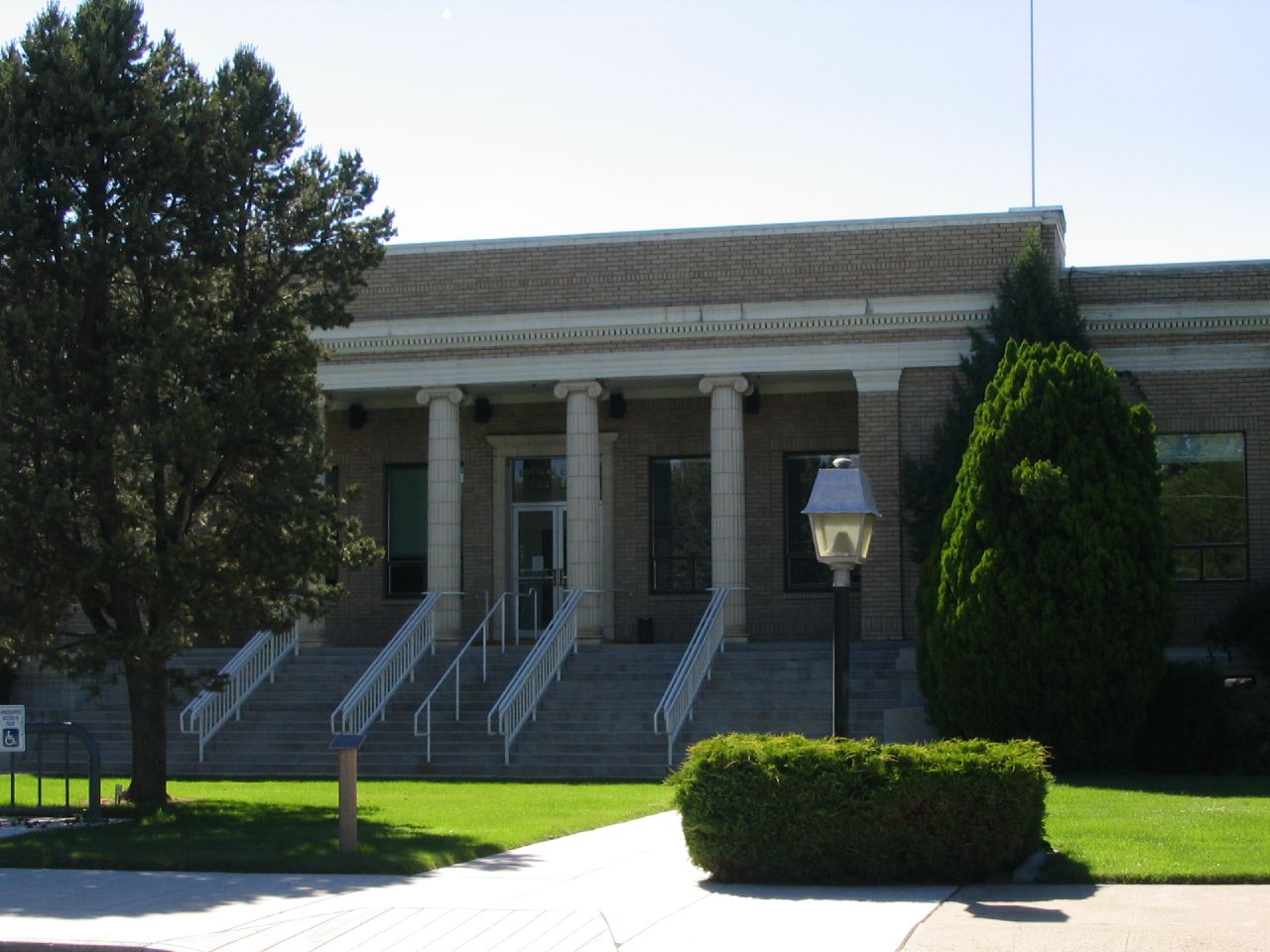


Geography and communities
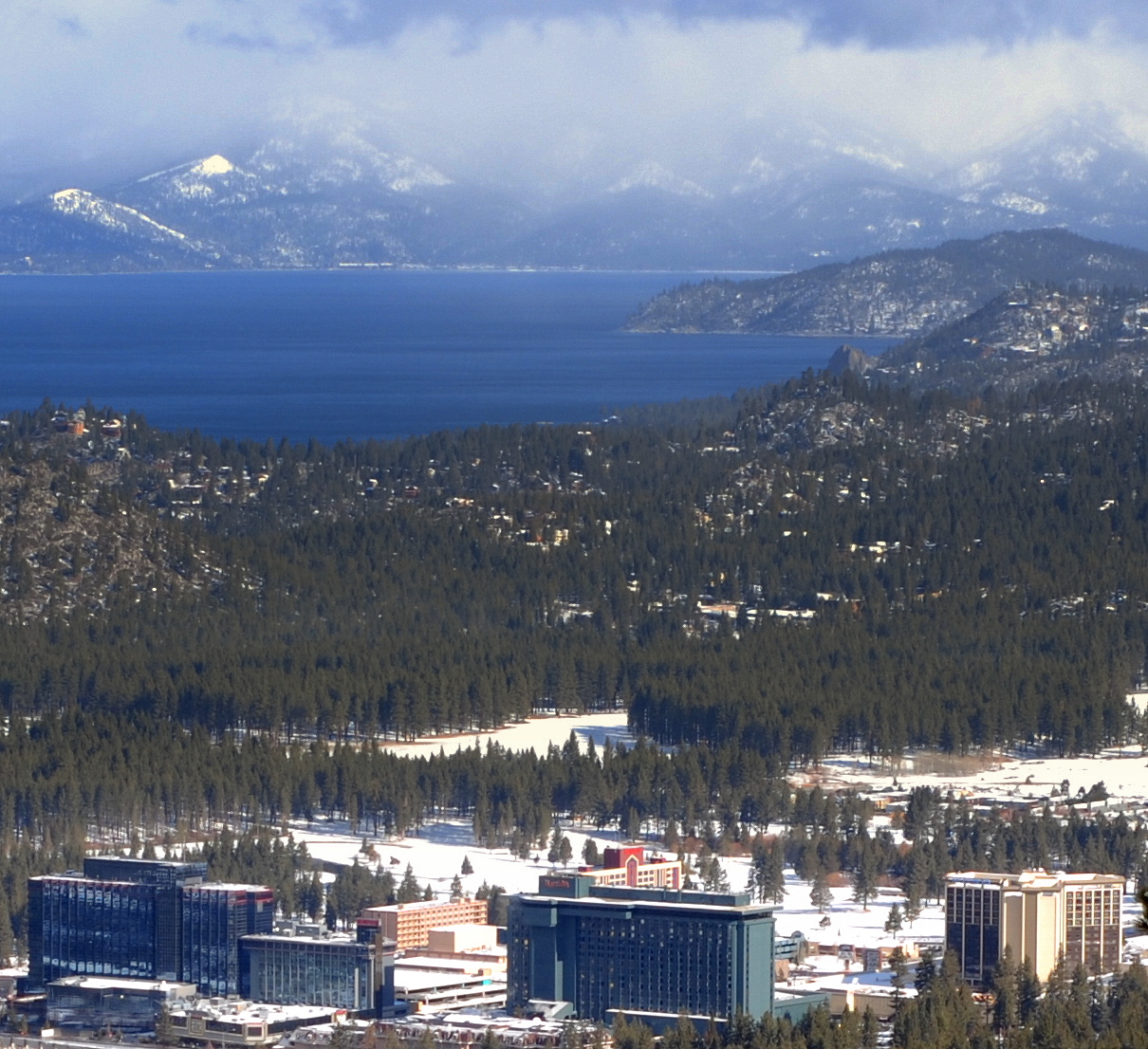
Douglas County includes high-elevation terrain on the Sierra crest and lower-elevation valleys where main towns and agricultural activity are concentrated. The county contains shoreline on the southeastern edge of Lake Tahoe and offers access to alpine forests and watershed areas. Major population centers and communities include Gardnerville, Minden, Genoa and the Stateline area near the Nevada–California border.
History and development
The county developed in the 19th century during the era of Nevada's early organization, shaped by westward migration, mining-era transportation routes and agricultural settlement in valley basins. Towns grew as service centers for ranching and later for tourism connected to Lake Tahoe and mountain recreation. Over time, infrastructure and cross-border connections with California helped define the county's role in the region.
Economy, recreation and culture
Economic activity blends tourism, hospitality and outdoor recreation with local agriculture and small-business services. Ski resorts, boating on Lake Tahoe, scenic drives and hiking draw visitors seasonally. The Stateline area hosts casinos and resort amenities that serve both Nevada and California visitors. Local culture reflects a mix of mountain-rural traditions, ranching heritage and tourism-oriented commerce.
Notable features and distinctions
- Scenic access to Lake Tahoe and the Sierra Nevada makes the county important for recreation and conservation.
- Its county seat, Minden, functions as a local administrative and cultural center.
- The county sits along a state border, creating cross-jurisdictional ties with California that affect transportation, commerce and tourism.
- Communities range from small historic towns to resort and transit hubs near major highways and ski areas.
For those seeking more detailed data or planning a visit, local government and tourism sources provide up-to-date information on services, events and outdoor opportunities.
Related articles
Author
AlegsaOnline.com Douglas County, Nevada Leandro Alegsa
URL: https://en.alegsaonline.com/art/28691