
Abaco Islands (northern Bahamas)
Chain of islands and cays in the northern Bahamas, known for sailing, beaches, mangroves, boatbuilding and protected marine parks; includes Great Abaco, Little Abaco and many smaller cays and settlements.
Overview
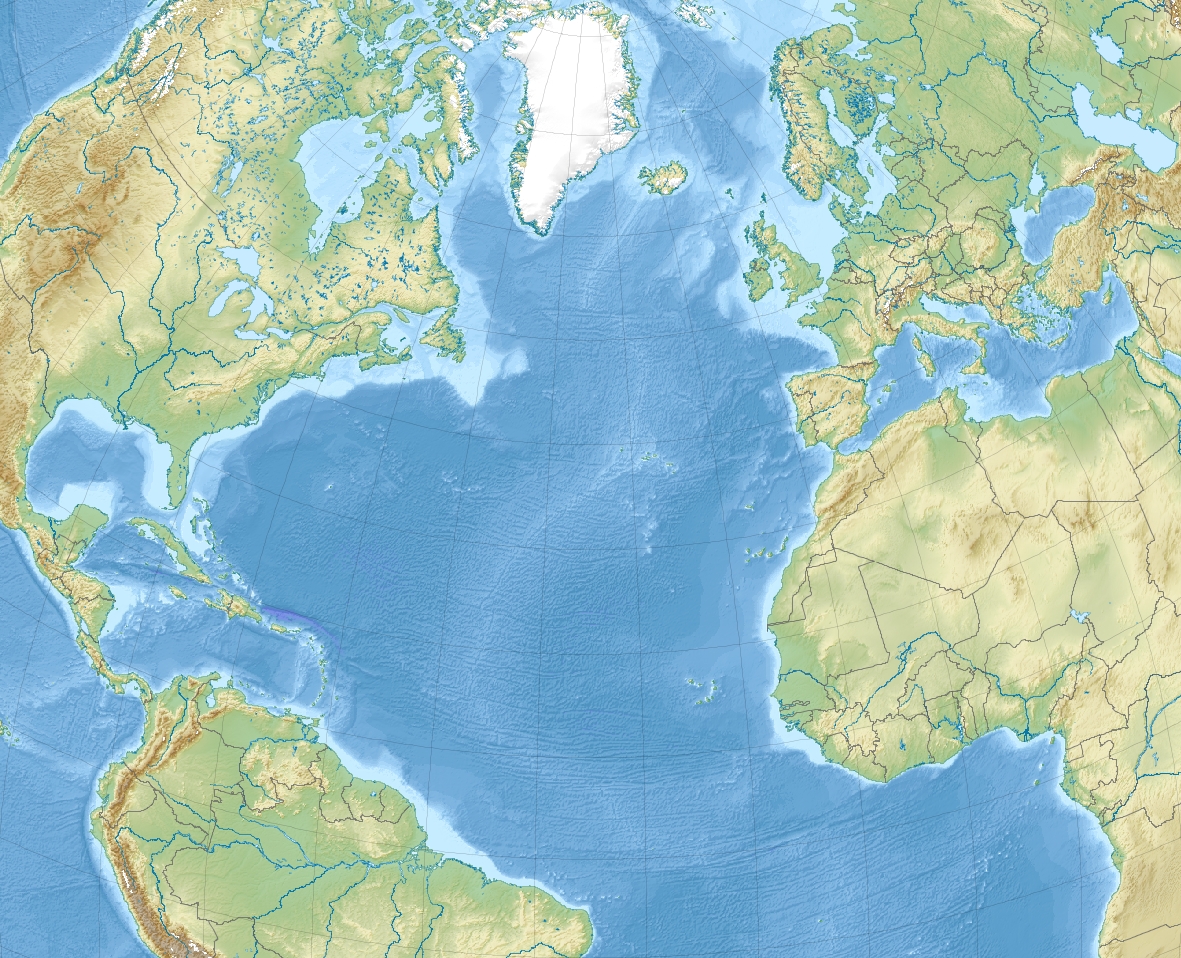
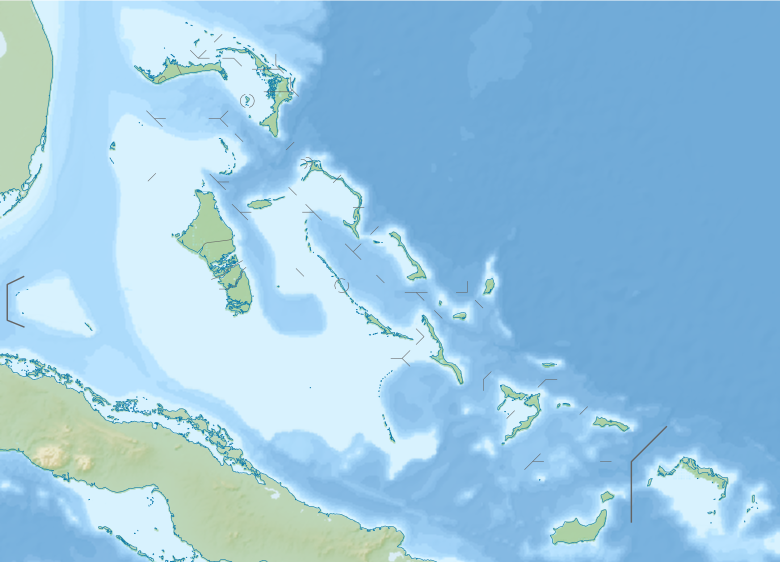
The Abaco Islands are a group of islands and cays in the northern Bahamas, located near the coordinates 26°28′N 77°05′W. The archipelago consists of two main islands, Great Abaco and Little Abaco, together with numerous smaller cays and islets. The terrain is generally low and flat, punctuated by barrier cays, sand flats and shallow banks. Marsh Harbour serves as the principal commercial centre and travel hub for the islands.
Image gallery
5 Images


Geography and main islands
The group includes a number of well known cays and islands: Elbow Cay with the settlement of Hope Town, Green Turtle Cay (Green Turtle Cay), Great Guana Cay, Man-O-War Cay, Lubbers Quarters Cay, Walker's Cay, Little Grand Cay and Moore's Island (Moore's Island). These islands are fringed by mangroves and seagrass beds and lie adjacent to a network of shallow channels and coral reefs that support diverse marine life.
Habitats and natural features
The Abacos support a variety of coastal habitats including coastal pine forests, coppice and scrub, mangrove wetlands, tidal creeks and inshore coral communities. Seagrass beds and shallow banks are important for juvenile fish, conch and other benthic organisms. Birdlife includes resident and migratory species that use the islands' wetlands and cays. The combination of sandy beaches, clear shallow water and barrier cays makes the area attractive for recreational boating and wildlife observation.
Administration, towns and transport
The islands form several Bahamian administrative districts, including North Abaco, Central Abaco, South Abaco, the Moore's Island district and the Hope Town district. Principal settlements include Marsh Harbour, Hope Town, Treasure Cay, Coopers Town and smaller communities such as Cornishtown. Air access is provided by Marsh Harbour Airport and Treasure Cay Airport; inter-island ferries and private boats connect many of the cays.
History and culture
The islands were originally inhabited by the Lucayan people prior to European contact. In subsequent centuries the Abacos received Loyalist settlers and others who established fishing, small-scale agriculture and maritime trades. Several communities, notably Man-O-War Cay, have a longstanding tradition of wooden boatbuilding and maritime craftsmanship that remains part of local cultural identity. Local festivals, cuisine and community life reflect the islands' ties to the sea.
Economy, recreation and tourism
The local economy is centred on fishing, marine services, construction and visitor-related businesses. The Abacos are widely regarded as a premier destination for bluewater cruising and coastal sailing, with sheltered anchorages and well-charted channels that attract private yachts and charter vessels (sailing). Beaches, resorts, rental homes and small hotels support resort tourism, while recreational activities commonly include snorkeling, diving, bonefishing and eco-tours.
Protected areas and conservation
Conservation efforts on the Abacos include several protected sites and community-led initiatives. Notable protected areas include Pelican Cays Land & Sea Park and the Abaco Wild Horse Preserve, together with conservation lands on Great Guana Cay and Man-O-War Cay. These sites conserve important habitat for marine species, birds and native flora, and support sustainable tourism and research.
Hazards, recovery and visitor guidance
The Abacos have been affected by powerful hurricanes in recent years; in 2019 Hurricane Dorian caused severe damage to parts of the archipelago and prompted extensive recovery and resilience work. Restoration of housing, infrastructure and natural systems has been an ongoing community priority. Visitors are asked to respect local guidance, stay on marked trails, avoid disturbing nesting birds and marine life, and support local businesses and conservation efforts while visiting.
Practical information
Travelers typically reach the Abacos by air to Marsh Harbour or Treasure Cay and by boat from other Bahamian islands. Local services include marinas, boatyards, dive operators and guided fishing trips. Seasonal considerations and weather conditions influence travel plans; visitors should check local notices and service availability before travel. For more detailed maps, charts and administrative information consult local authorities and resources linked through official channels.
Additional local and travel information may be found via regional references and tourism resources that provide up-to-date guidance on transport, accommodations and conservation programs.
Related articles
Author
AlegsaOnline.com Abaco Islands (northern Bahamas) Leandro Alegsa
URL: https://en.alegsaonline.com/art/283