
Domenico Fontana (1543–1607) — Architect and Engineer of Late Renaissance Rome
Swiss-born Italian architect and engineer Domenico Fontana (1543–1607) reshaped Rome under Pope Sixtus V, famed for moving obelisks and for large-scale public works blending architecture and practical engineering.
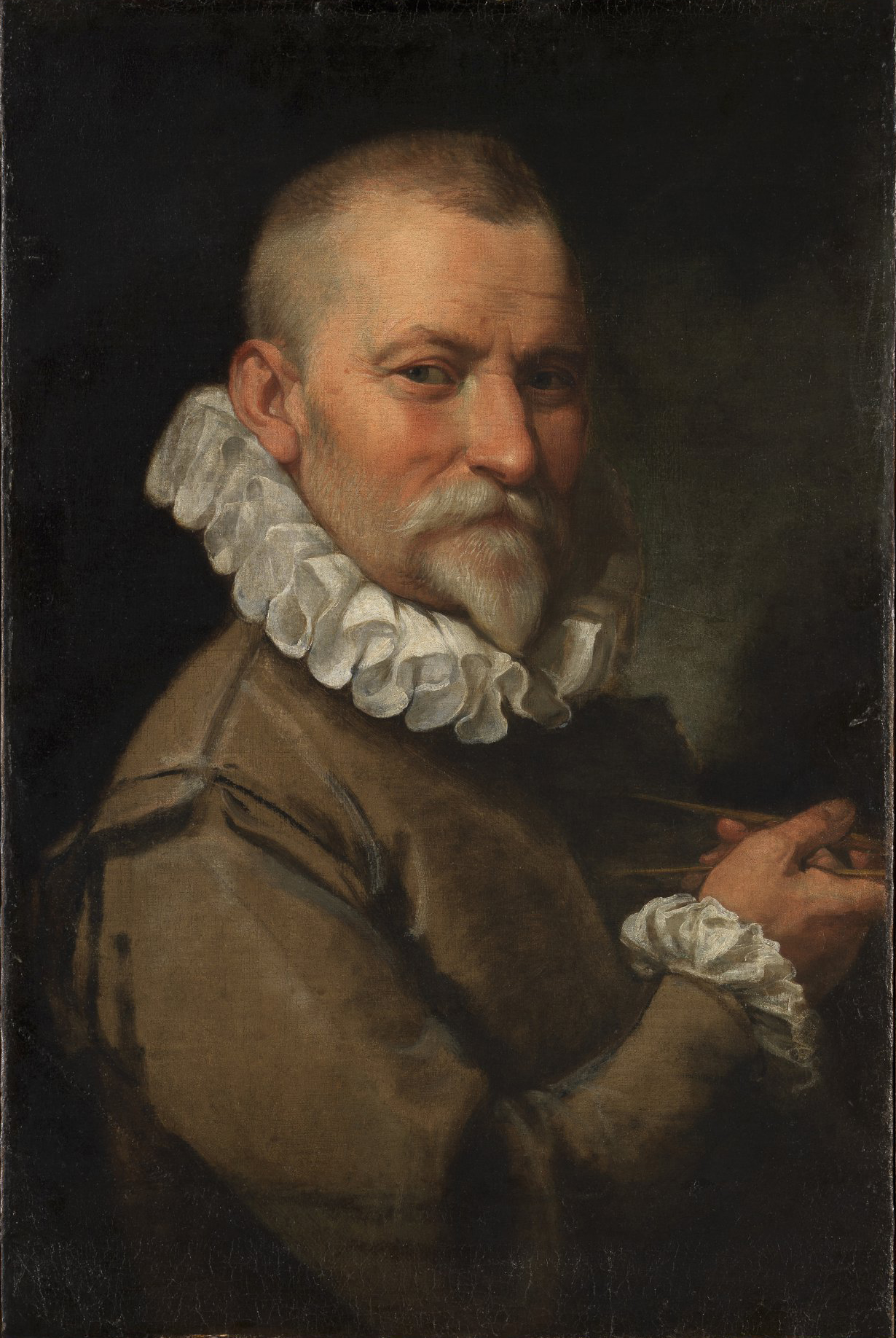
Domenico Fontana (1543–1607) was a Swiss-born architect and engineer who became a central figure in late Renaissance Rome. Active in the closing decades of the 16th century, he combined architectural design with large-scale construction techniques and practical mechanics. His career is most closely associated with the urban transformation commissioned by Pope Sixtus V and with dramatic engineering feats that altered the cityscape.
Image gallery
7 Images




Major works and methods
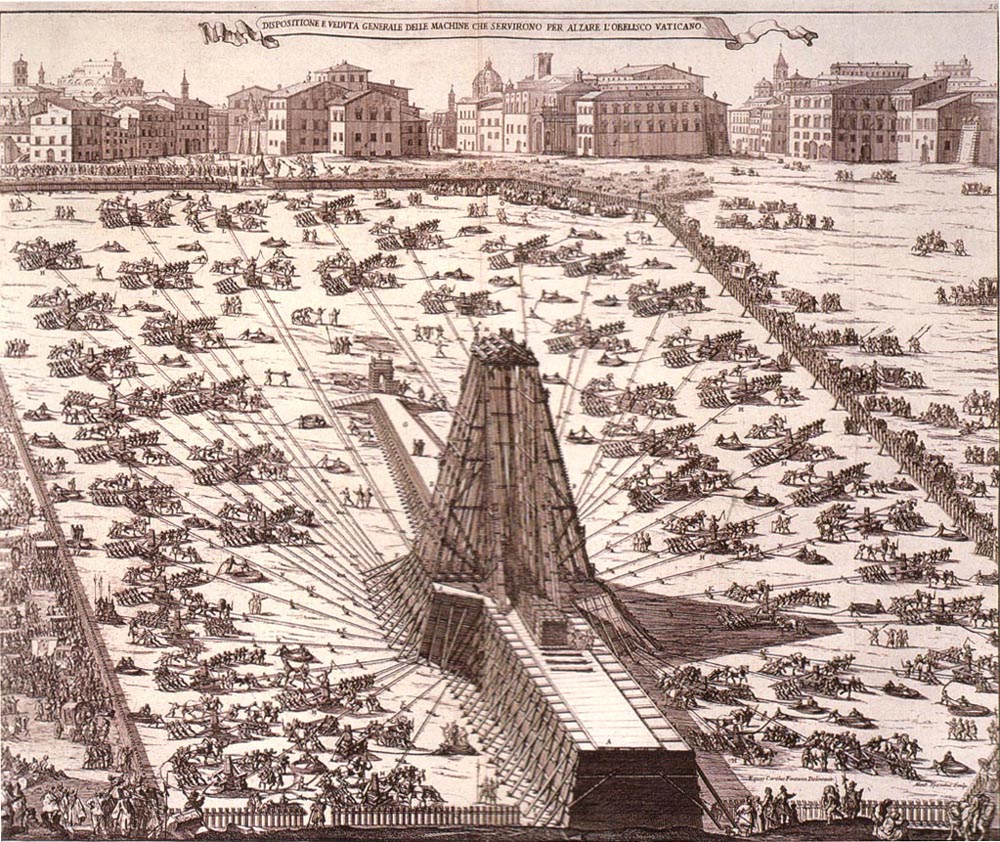
Fontana is best known for transporting and erecting ancient obelisks and for directing extensive public-works projects. He organized complex operations involving capstans, scaffolding, ropes and winches and coordinated large teams of workmen and craftsmen. His careful planning and documented procedures made these moves notable both for their scale and for their technical clarity. Several of his projects survive in Rome as visible markers of that era.
As chief architect to the papal court he undertook restoration, completion and construction tasks for prominent churches and palaces. He supervised structural repairs, façade work and the integration of monuments into newly straightened thoroughfares, contributing to a clearer urban geometry that had practical, ceremonial and symbolic aims.
Historical context and influence
Fontana worked at a moment when architects often doubled as engineers. The late Renaissance emphasis on order, perspective and monumental display found practical expression in projects that required not only design but sophisticated logistics. His work influenced later engineers and builders who faced similar challenges of moving heavy antiquities or adapting historic fabric to new civic plans.
- Notable tasks: re-erection of obelisks and placement of monuments in key sites.
- Role: chief architect for large papal programs and public infrastructure improvements.
- Legacy: a practical handbook of methods and a changed Roman skyline.
For further reading and source references see source 1, source 2, and related materials at archive references. Additional catalogues and studies are available via link 4, link 5 and link 6.
Related articles
Author
AlegsaOnline.com Domenico Fontana (1543–1607) — Architect and Engineer of Late Renaissance Rome Leandro Alegsa
URL: https://en.alegsaonline.com/art/28272