
Diving bell
A diving bell is an early, simple underwater chamber that traps air beneath the surface. It remains in use for salvage, construction and as transfer chambers in commercial diving despite the spread of scuba.
Overview
A diving bell is a rigid chamber—often open at the bottom—that traps a pocket of breathable gas when submerged. The trapped air allows a diver to breathe or to shelter under water without carrying all breathing equipment. The device exploits the basic hydrostatic principle that a hollow object will retain air when inverted and lowered into water. Diving bells were among the first practical tools for human underwater diving and remain part of commercial and scientific underwater operations today.
Image gallery
10 Images


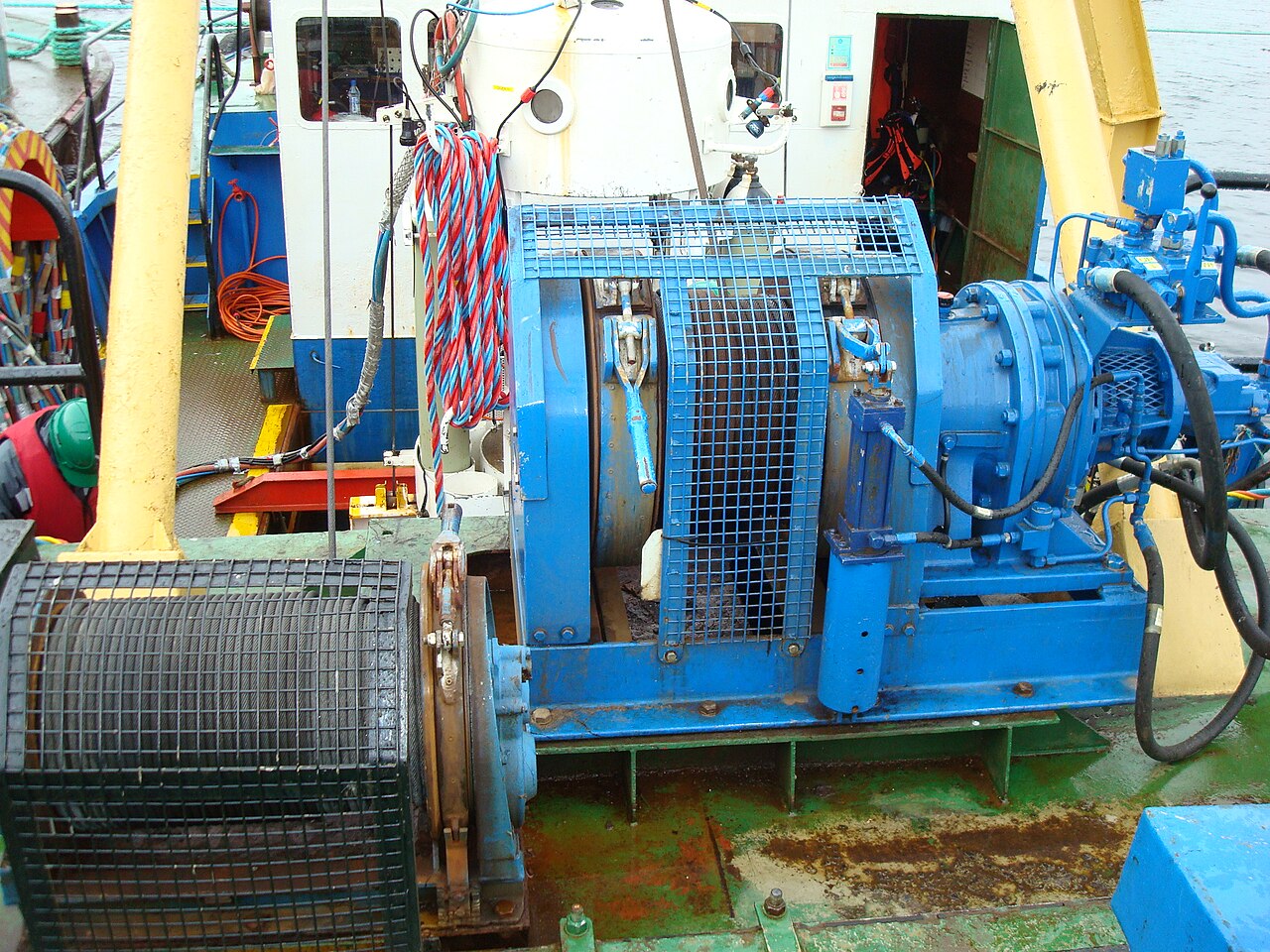


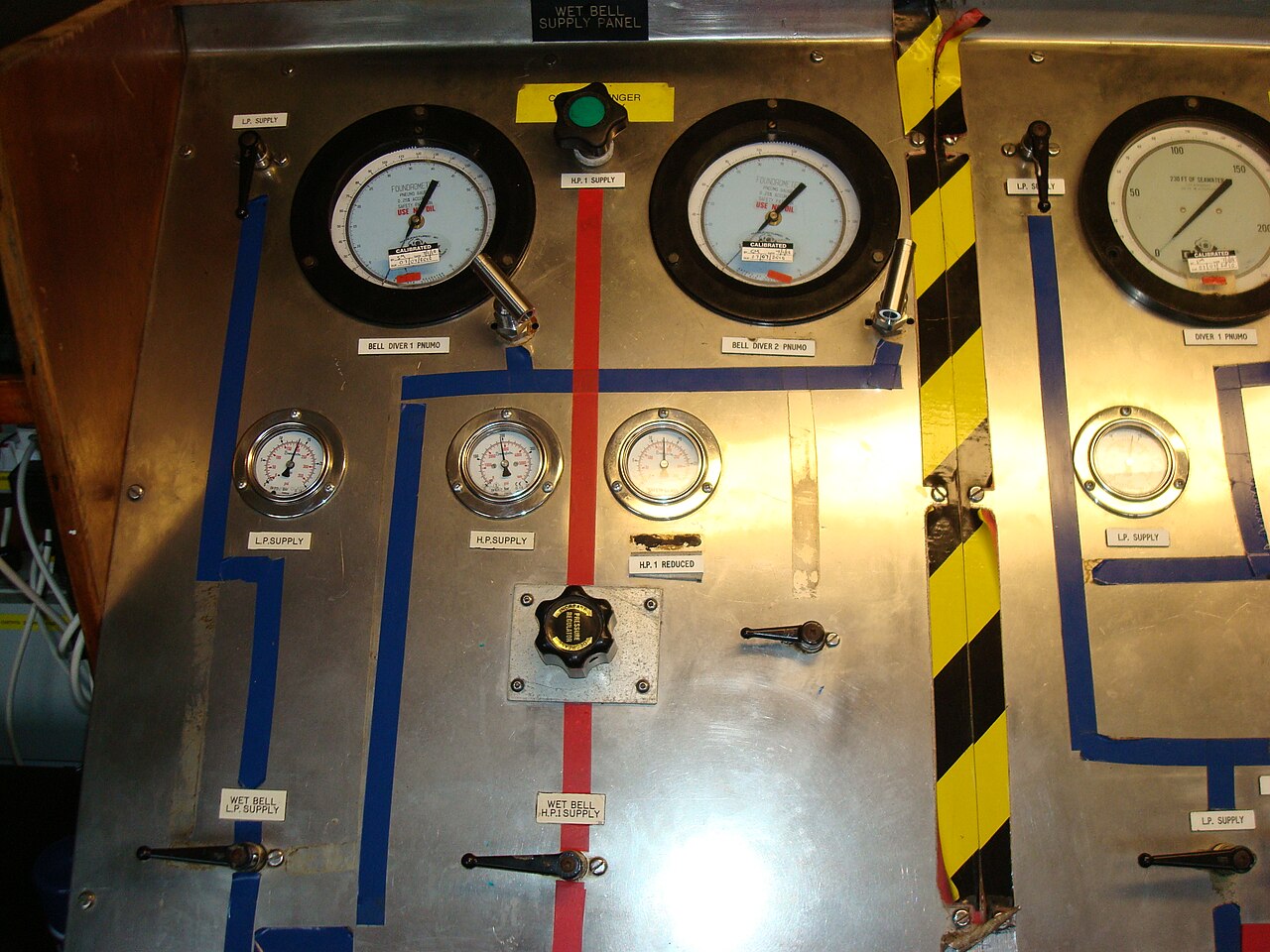

Design and operation
In its simplest form, a bell is a heavy, bell-shaped container lowered from a surface platform. As depth increases the air inside compresses to match the surrounding water pressure at the opening; this determines the available air volume. Surface-supplied air is often pumped into the bell to refresh the breathability and to control internal pressure. Modern systems may include a sealed, pressurized compartment (a "closed" or dry bell) that permits divers to transfer to and from a saturation habitat without decompressing.
History and development
The concept dates back to antiquity in broad form, and it became more practically useful in the early modern era. Over the centuries inventors improved the bell by adding methods to supply fresh air, secure lifting gear, and manage pressure. A notable advance in the late 17th century introduced pumped air supplies that allowed longer bottom time. Subsequent engineering in the 19th and 20th centuries led to specialized bells for salvage, marine engineering and saturation diving.
Types and key distinctions
- Wet bell: Open-bottomed, the diver is exposed to the water at the lower face; useful for short operations and as a staging point.
- Dry/closed bell: A sealed, pressurized chamber that can be used to transfer occupants under pressure to a habitat or caisson.
- Saturation transfer bell: Specialized for commercial saturation diving to move divers between a living chamber and the worksite while maintaining pressure equilibrium.
Uses and modern importance
Although self-contained breathing apparatus such as scuba diving cover many recreational and inspection roles, diving bells remain important where surface-supplied air, pressure control or transfer under pressure are required. Typical applications include underwater construction, ship salvage, pipeline and cable work, scientific observation and commercial saturation operations. Bells provide a stable workspace or refuge and a controlled way to move personnel to depth safely.
Notable considerations
- Because internal pressure matches ambient water pressure at the opening, gas density, nitrogen absorption and decompression requirements must be managed to reduce the risk of decompression sickness.
- Diving bells are part of a broader set of compressed-air and pressure-control technologies, including caissons and diving chambers, each tailored to particular engineering or diving needs.
In summary, the diving bell is a durable and conceptually simple tool that has evolved into specialized systems for commercial and scientific diving, retaining roles that modern autonomous breathing equipment cannot fully replace.
Related articles
Author
AlegsaOnline.com Diving bell Leandro Alegsa
URL: https://en.alegsaonline.com/art/27810