
Underwater diving: types, equipment, history and safety
An overview of underwater diving covering major types (recreational, commercial, military, scientific, public safety), equipment and techniques, physiological hazards, history, training and uses.
Underwater diving is the deliberate descent beneath the water surface to perform tasks, observe environments, or travel. It ranges from short breath-hold swims to extended work shifts in deep habitats. Diving activities are governed by equipment, training, and procedures that manage breathing, pressure, temperature and navigation so people can operate safely below the surface.
Image gallery
10 Images






Types and purposes
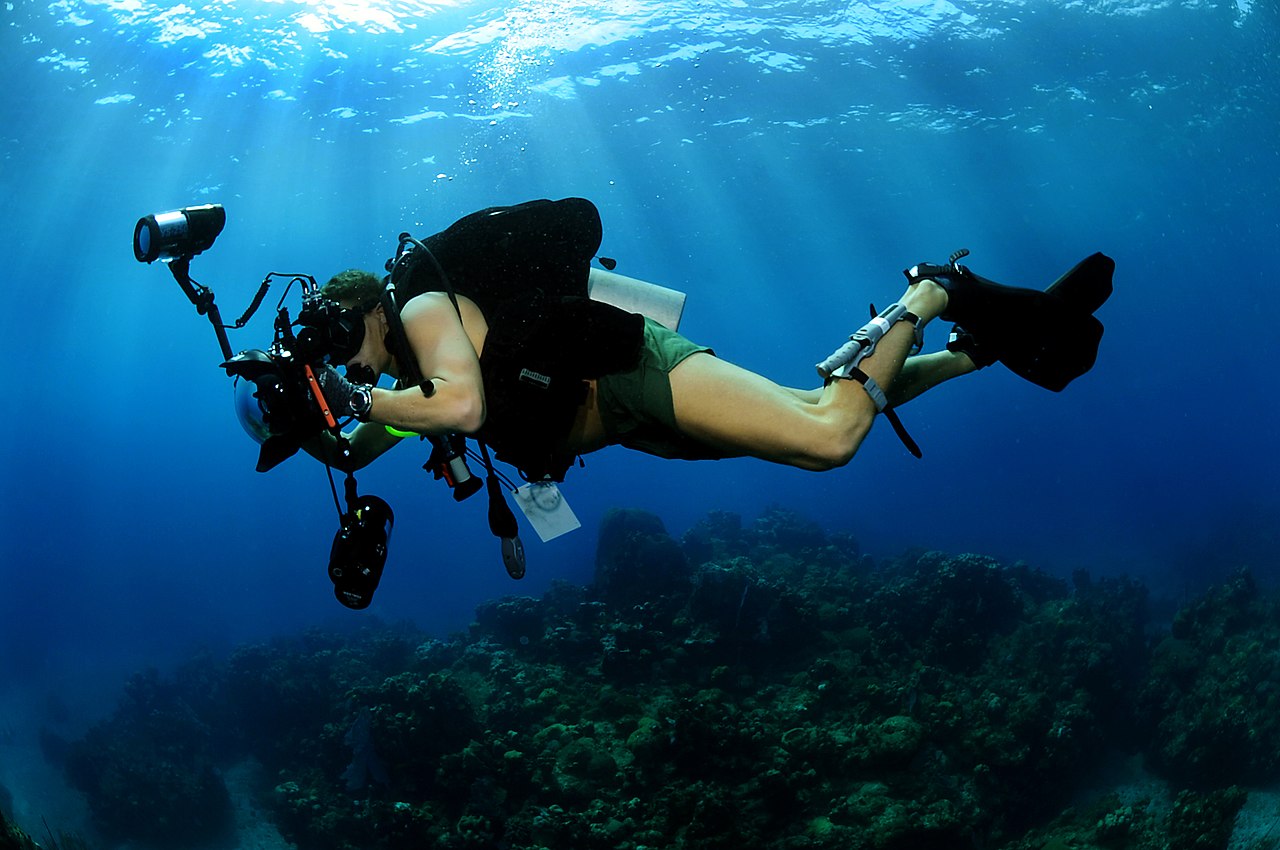
- Recreational diving: done for enjoyment, travel and exploration. Most recreational divers use self-contained breathing apparatus, commonly called scuba, while others practice freediving or snorkeling for shallow activities.
- Commercial diving: work-focused diving that supports construction, inspection, salvage, welding and maintenance in marine and freshwater projects. It typically uses surface-supplied air or mixed gases and strict occupational procedures.
- Military diving: tasks performed to meet defence objectives such as salvage, reconnaissance, demolition or covert operations. These operations often require specialized training and equipment; information is available through military sources like related public references.
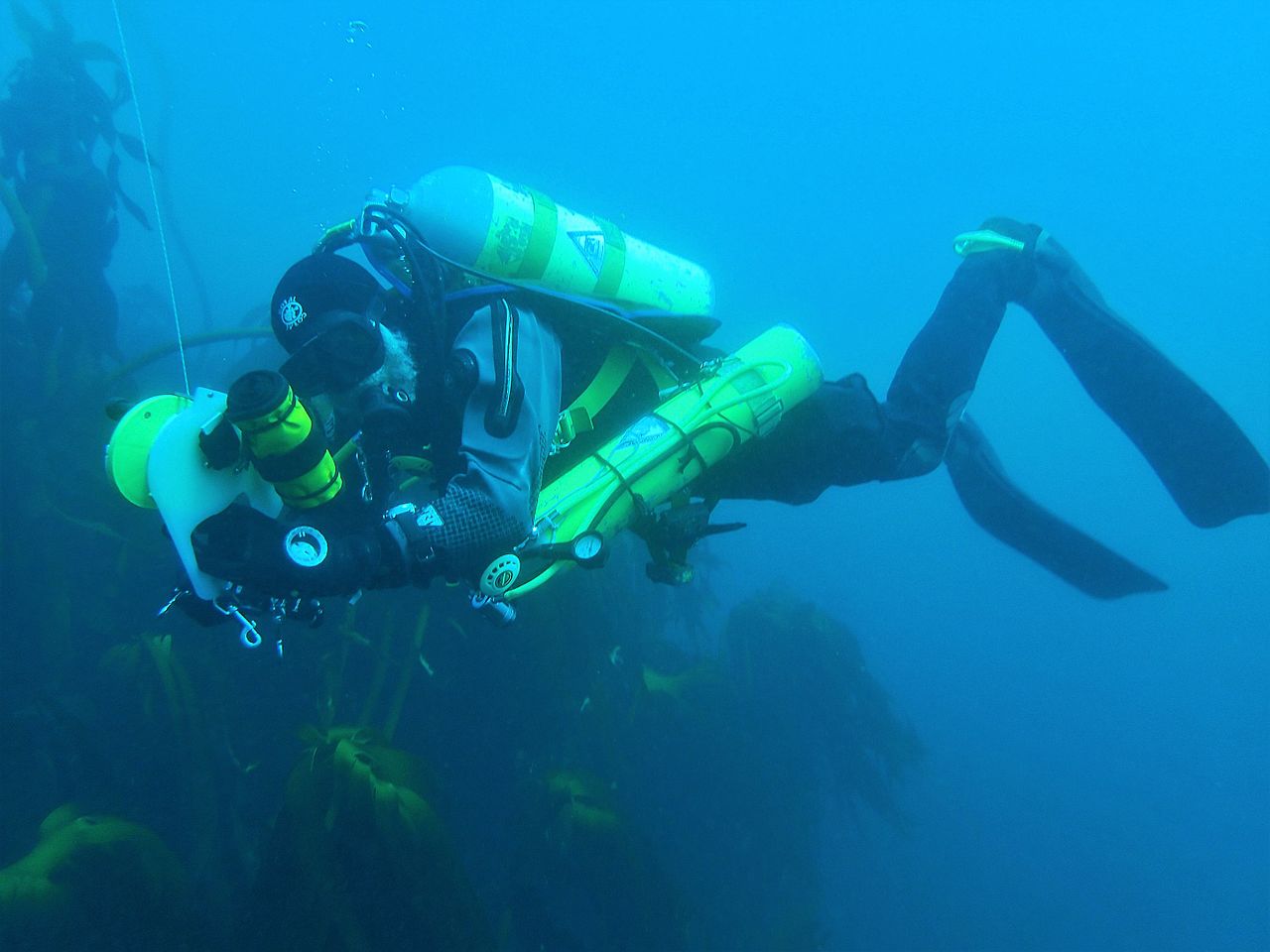
- Scientific diving: conducted to collect data, samples and observations for research in biology, geology, archaeology and environmental monitoring. Scientific divers frequently combine diving skills with sampling protocols and survey techniques.
- Public safety diving: performed by police, fire and rescue teams for search, recovery and evidence retrieval in submerged environments.
Equipment and techniques
Divers select gear to match depth, duration and objectives. Common items include masks, fins, exposure protection, buoyancy control devices and breathing systems. Scuba uses a cylinder and regulator that deliver breathing gas on demand. Surface-supplied systems provide gas via an umbilical and allow longer bottom times and direct communication. For extreme depths and long shifts, saturation diving and habitats reduce decompression risk by keeping workers at pressure between dives. Freedivers rely only on breath-hold techniques and streamlined equipment for short, efficient dives.
Physiology and hazards
Human bodies experience increasing pressure underwater, and diving can create specific medical risks. Decompression sickness results from inert gas bubbles forming during ascent if decompression is too rapid. Barotrauma affects air-filled spaces such as ears and sinuses when pressure is not equalized. At depth, divers may encounter nitrogen narcosis and, with high oxygen partial pressures, oxygen toxicity. Cold, limited visibility, currents and entanglement are environmental hazards. Risk management includes training, adherence to decompression procedures, gas planning and emergency preparedness.
History and development
Diving has ancient roots in hunting and salvage, evolving through early breath-hold sponge and pearl divers to mechanical aids such as diving bells and helmet rigs. In the 20th century, development of demand regulators and reliable compressed-gas systems expanded recreational and professional diving. Advances in materials, mixed gases, decompression theory and dive computers have progressively increased safety and capability.
Training, regulation and common uses
Most forms of diving require formal training and certification to ensure competence in equipment, navigation, emergency procedures and physiology. Training standards are set by national and international agencies and by industry bodies for commercial operations. Diving supports tourism, underwater archaeology, marine science, offshore industry, law enforcement and film production. Responsible diving practices, maintained equipment and appropriate supervision are central to reducing risk and preserving aquatic environments.
Notable distinctions
Key distinctions in diving relate to duration, depth and breathing method: freediving (breath-hold), scuba (self-contained) and surface-supplied or saturation systems for professional work. Each approach has different logistical needs and physiological limits, and choice of method depends on the objective, environment and acceptable risk profile.
Related articles
Author
AlegsaOnline.com Underwater diving: types, equipment, history and safety Leandro Alegsa
URL: https://en.alegsaonline.com/art/102820