
Diomede, Alaska: Little Diomede Island community in the Bering Strait
Small Inupiat village on Little Diomede Island in the Bering Strait, noted for extreme remoteness, proximity to the International Date Line, subsistence culture, and minimal infrastructure.
Overview
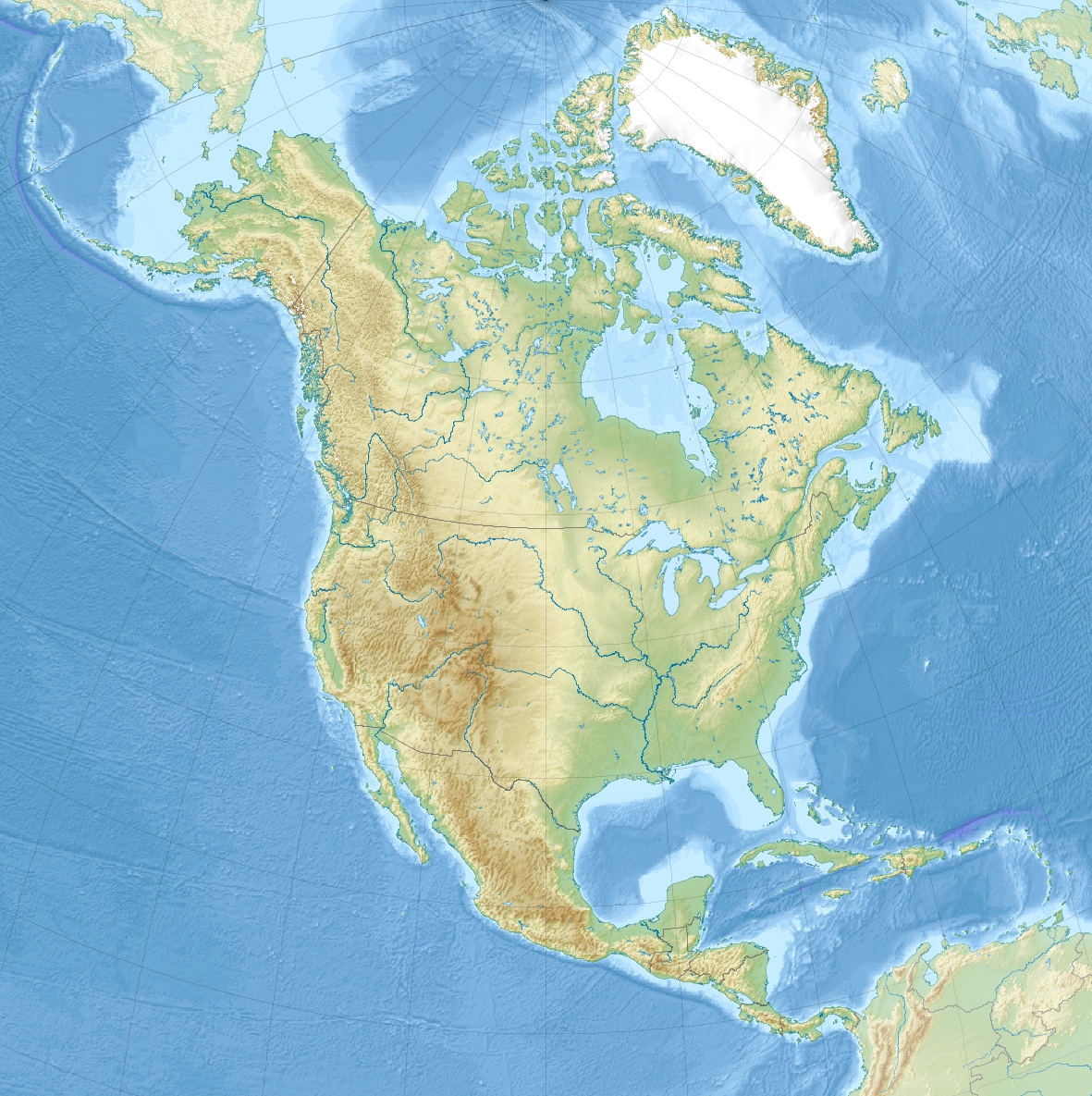
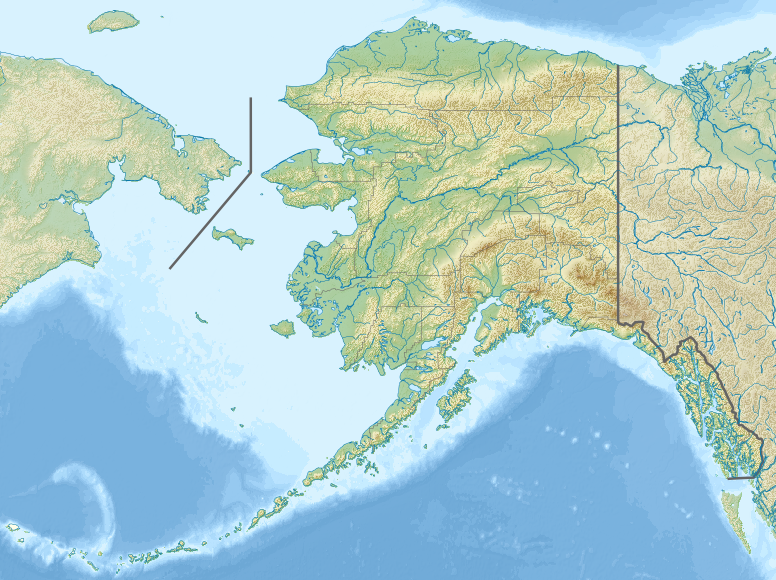
Diomede, Alaska is the municipal community located on Little Diomede Island in the middle of the Bering Strait. The settlement is one of the most isolated places in the United States and is inhabited year-round by a small Inupiat population. Its location makes it notable for being very close to the maritime border with Russia and for its unusual relation to timekeeping and travel.
Image gallery
5 Images


Geography and climate
Little Diomede rises from the icy waters between Alaska and Siberia. The island is rugged and small, with steep terrain and limited flat ground for buildings. The island sits across a narrow channel from Big Diomede, a Russian island; the International Date Line passes between them, a fact that has given the pair popular nicknames reflecting the day difference: the two islands are often contrasted as being a day apart. Sea ice, wind and fog affect access for much of the year.
Community, culture and economy
The village is primarily Inupiat and retains a subsistence lifestyle based on fishing and hunting marine mammals, birds and local fish where permitted. Traditional skills and knowledge remain important to daily life, and community events and family ties structure social life. Economic activity is limited; residents supplement subsistence with wages from local government, public services and visitor-related jobs when available.
Services and infrastructure
Infrastructure on Little Diomede is minimal. There are no highways or conventional port facilities, and most travel to and from the island requires small boats, helicopters or other aircraft when conditions allow. The community has a general store and a multi-purpose building that houses basic services: a small grocery stock, communal laundry facilities and basic medical care. Mail and supplies are delivered irregularly by air or by barge during brief summer windows.
- Basic retail and provisions are found at the village store.
- A combined clinic and community center provides primary care and social services.
- Communal laundromat washers and dryers serve local needs.
History and significance
People have lived in the Diomede area for centuries; the islands were long part of the maritime networks of Arctic indigenous peoples. Contact with Russian and later American authorities altered trade and governance. During the 20th century, the Cold War made the nearby Russian island a military zone, increasing the symbolic separation between neighbors. Today the islands illustrate geopolitical, cultural and environmental intersections in the Arctic.
Notable facts and distinctions
Diomede is often cited in discussions of Arctic isolation, climate change impacts on coastal communities, and the logistical challenges faced by small settlements. Its proximity to the international border and the International Date Line (International Date Line) attracts attention beyond its size, and its location in the Bering Strait places it at a geographic crossroads between continents and ecosystems.
Related articles
Author
AlegsaOnline.com Diomede, Alaska: Little Diomede Island community in the Bering Strait Leandro Alegsa
URL: https://en.alegsaonline.com/art/27535
Sources
- www2.census.gov : "2016 U.S. Gazetteer Files"