
Digital rights: access, privacy, expression and governance online
Digital rights are the entitlements that govern how people access, use, share and control digital technologies and data, including privacy, freedom of expression, access to information and legal protections online.
Overview
Digital rights refer to the set of legal, ethical and social entitlements that shape how people use digital technologies and services. They concern who may access computers and networks, what may be done with personal and public data, and what limits states, companies and other actors may lawfully impose. Discussions of digital rights typically involve topics such as access to a computer, protections for privacy, the governance of networks, and the use of the Internet for communication and information. These rights overlap with broader social and legal principles but apply specifically to the online environment and digital tools.
Image gallery
1 Image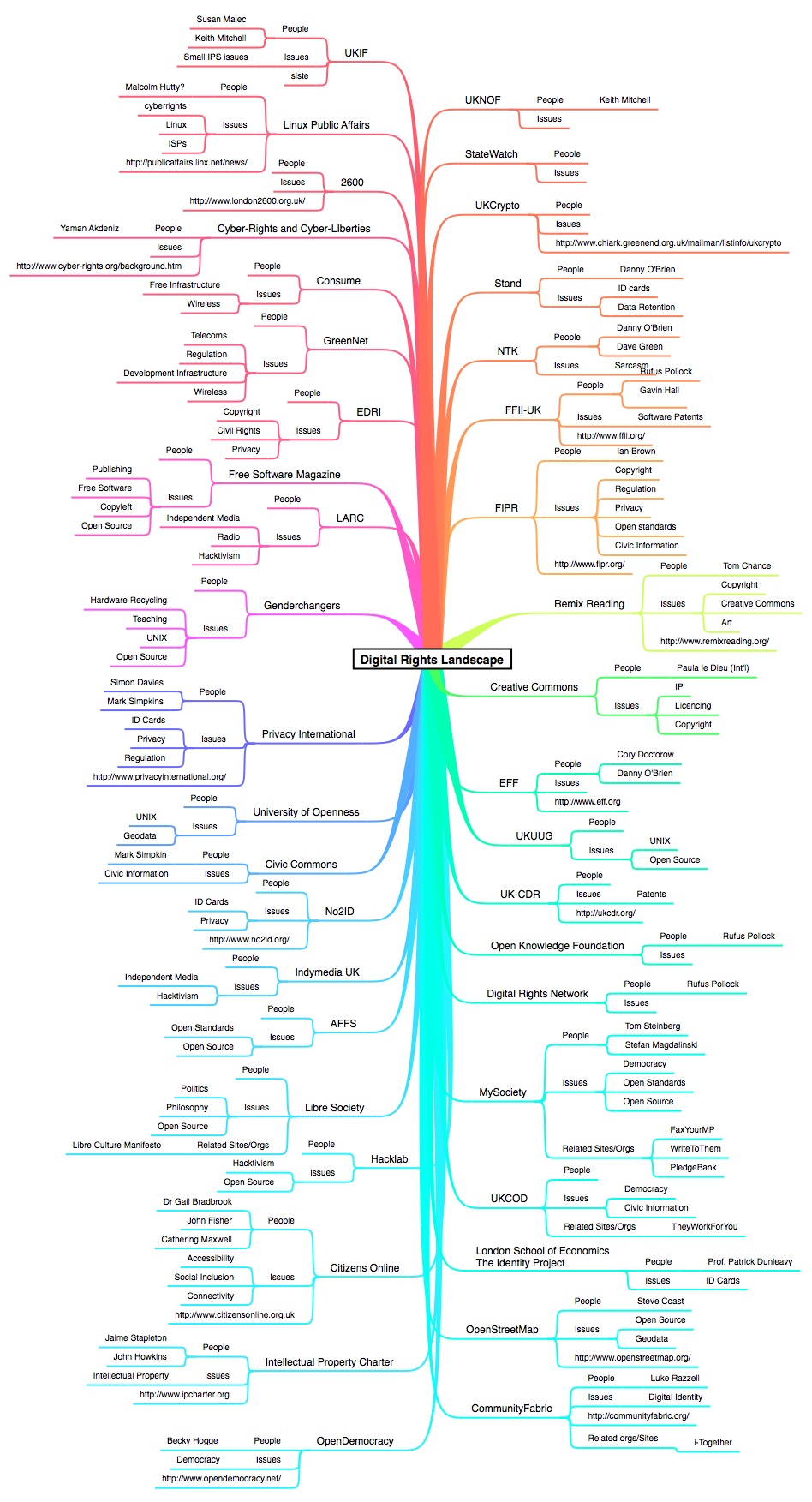
Key components
Several recurring areas are treated as central to digital rights. They include the right to meaningful access (sometimes framed as universal connectivity), data protection and privacy safeguards, freedom of expression online, protections against unlawful surveillance, and fair rules for intellectual property and content moderation. Civil society, governments and technology firms often debate how to balance these components — for example, how to protect individual privacy while enabling law enforcement, or how to support free speech while addressing harmful content.
History and international frameworks
International engagement on digital rights intensified as the Internet spread globally. In 2003, the United Nations convened the World Summit on the Information Society, which emphasized the need to reduce the digital divide and to ensure that fundamental human rights apply online as they do offline. The summit and subsequent declarations linked digital rights to established instruments such as the Universal Declaration of Human Rights and referenced principles in documents like the Vienna Declaration. International statements commonly stress that digital policy should support democracy, sustainable development and the rule of law, while protecting freedoms such as the freedom of expression.
Uses, examples and importance
Digital rights influence everyday activities: choosing an online service that respects privacy, accessing educational resources, engaging in political debate, or contesting automated decisions made by algorithms. They also affect institutions — for instance, how public services are delivered online and how companies design products that process personal data. Measures such as encryption, transparent data policies, user control over information, and open standards are practical ways to implement many digital rights. Conversely, mechanisms like overly broad content restrictions, pervasive monitoring, or exclusionary pricing can limit those rights in practice.
Challenges and distinctions
Applying longstanding human rights in a digital context raises practical and conceptual questions. For example, commercial uses of user data bring into play consumer protection and contract law alongside privacy rights. The term "digital rights management" (DRM) refers to technical controls used to restrict copying and use of digital content, and it is distinct from rights that protect people. Other contested areas include jurisdictional limits on content, responsibilities of intermediaries, algorithmic bias, and emergency powers that may affect online freedoms. Resolving these issues requires legal clarity, technical measures, and public debate.
Key issues and resources
- Access and affordability: bridging infrastructure and skills gaps so more people can use digital services.
- Privacy and data governance: rules for collection, storage, sharing and deletion of personal data.
- Freedom of expression: protecting speech online while addressing defamation and harmful content.
- Security and surveillance: limiting intrusive monitoring and ensuring lawful processes for data requests.
- Consumer and labor aspects: how platform design affects workers, consumers and participants.
For further background on specific terms and international instruments, see resources referenced by authoritative bodies and civil society. Readers may consult materials related to computing, privacy, network governance (networks), Internet policy (Internet), and multilateral processes organized by the United Nations. Key topics also include studies on the digital divide, legal analysis of human rights online, the legacy of the Vienna Declaration, and how digital policy affects democracy, sustainable development, and the rule of law. Foundational human-rights texts such as the Universal Declaration of Human Rights inform understanding of the freedom of expression in digital spaces.
Note: This article outlines common themes and debates around digital rights; laws and practices vary by country and evolve over time as technology and policy change.
Related articles
Author
AlegsaOnline.com Digital rights: access, privacy, expression and governance online Leandro Alegsa
URL: https://en.alegsaonline.com/art/27387
Sources
- books.google.com : Human Rights in the Digital Age
- un.org : un.org