
All Quiet on the Western Front (1930 film)
1930 American anti‑war film directed by Lewis Milestone, produced by Carl Laemmle Jr., adapted from Erich Maria Remarque's novel. Acclaimed for realism; won Best Picture and Best Director Oscars.
Overview
All Quiet on the Western Front is a 1930 American war film adapted from Erich Maria Remarque's 1929 novel. Directed by Lewis Milestone and produced by Carl Laemmle Jr., the film follows the experiences of German soldiers during World War I and is widely regarded as a landmark anti‑war statement of early sound cinema. For a concise production summary see film summary.
Image gallery
6 Images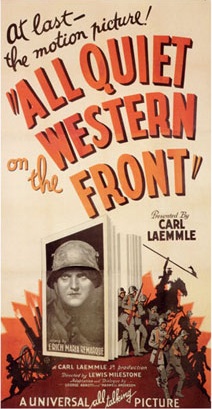


Plot and principal characters
The narrative centers on young recruit Paul Bäumer and his classmates, whose initial patriotic fervor is quickly eroded by trench warfare, loss, and the breakdown of ordinary civilian identity. The screenplay condenses episodes from the novel to emphasize comradeship, trauma, and disillusionment. The lead role of Paul Bäumer was played by Lew Ayres; a fuller cast list and credits are available at cast and credits.
Production and adaptation
Universal Pictures produced the film with a combination of location shooting and studio work, integrating early sound technology without sacrificing the visual impact of large‑scale battlefield scenes. Milestone and his collaborators made deliberate choices about what to keep, alter, or omit from Remarque's book; a comparative overview of those choices can be consulted at adaptation notes and further production background at production history.
Style, themes and notable elements
Stylistically the film is noted for its stark imagery, unobtrusive camerawork, and extended sequences that immerse the viewer in the sensory reality of combat. Major themes include the brutality and futility of modern industrialized warfare, the loss of youth, and the contrast between front‑line experience and the language of patriotic rhetoric. More detailed technical and thematic analyses can be found in critical discussions and essays at critical essays.
Reception, awards and legacy
Upon release the film received strong critical praise for its realism and moral urgency. It won Academy Awards for Best Picture and Best Director (Lewis Milestone), honors that helped cement its place in film history; an account of awards and ceremonies is available at awards list. Contemporary reviews and later assessments are collected in reviews archives and scholarly surveys at reviews archive and critical reception. Modern aggregated ratings reflect continued esteem; see current consensus at modern ratings. The film has been included in American Film Institute lists and remains widely studied as an influential anti‑war work.
Censorship, controversies and historical context
Because it portrays German soldiers as victims of war rather than as heroic national symbols, the film's reception varied by country and political climate. In the years after its release some governments and movements objected to its anti‑war message; readers can consult contextual materials at novel reference for discussion of the source book's history and impact. Scholars have examined how responses to the film reflect broader debates about memory, propaganda, and cinematic realism.
Restorations, home media and further resources
The film has been the subject of restoration efforts and has appeared on various home‑video formats; interested readers can find listings and restoration notes through the production and archival links above. For additional reading, critical introductions, and archival materials consult the linked resources and specialized film studies collections referenced throughout this article.
- Primary source: Adaptation of Erich Maria Remarque's novel; see novel reference.
- Further reading: Production, adaptation and critical analyses: adaptation notes, production history, critical essays.
Related articles
Author
AlegsaOnline.com All Quiet on the Western Front (1930 film) Leandro Alegsa
URL: https://en.alegsaonline.com/art/2709