
All India Trinamool Congress (Trinamool Congress)
Regional political party in India founded by Mamata Banerjee in 1998, dominant in West Bengal and active in national politics with a centre-left, populist profile.
Overview: The All India Trinamool Congress, commonly called the Trinamool Congress or TMC, is a regional political party in India founded by Mamata Banerjee in 1998 after splitting from the Indian National Congress. The party's Bengali name, Trinamool, is often translated as "grassroots," reflecting its stated emphasis on popular mobilization. The organization is based primarily in the state of West Bengal; see West Bengal for regional context and All India Trinamool Congress for party references.
Image gallery
10 Images


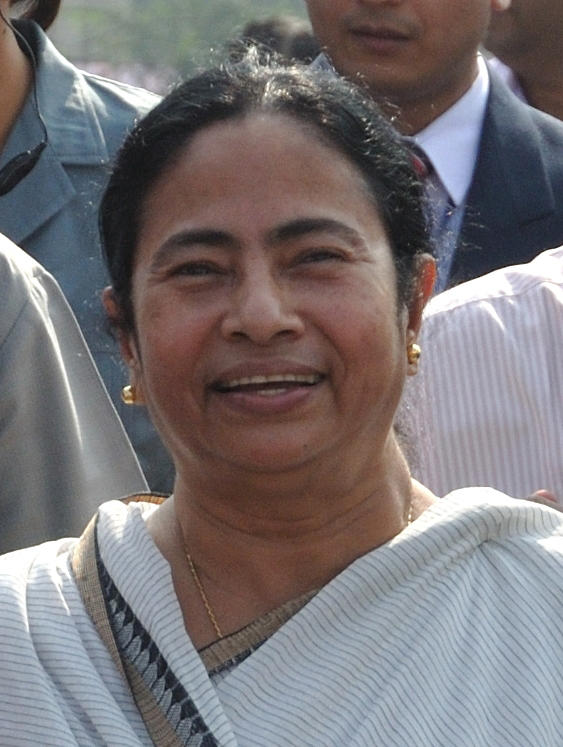
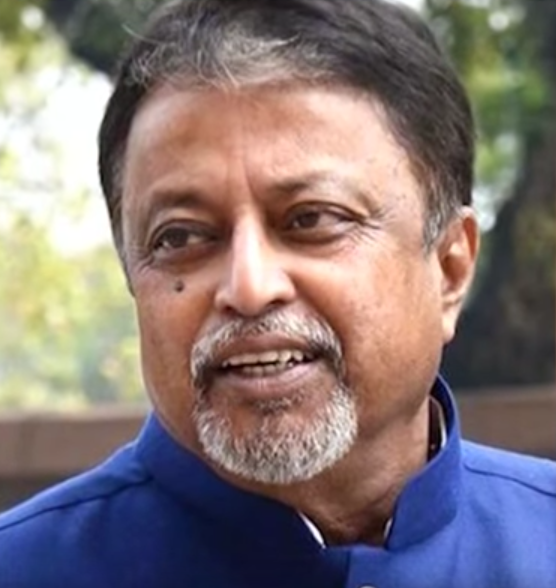
Characteristics and ideology
TMC is generally described as centre-left and populist, advocating social welfare schemes, rural development and secular politics. It emphasizes direct engagement with voters and has cultivated support among diverse social groups in West Bengal. The party symbol—popularly recognized and used in campaigns—reinforces its outreach to rural and urban communities alike.
History and development
Formed in the late 1990s, the Trinamool Congress grew from a state-level challenger into the principal political force in West Bengal. Its rise culminated in electoral victories that ended decades-long rule by a leftist coalition in the state. Under Mamata Banerjee's leadership, the party consolidated power through successive state elections and expanded its organizational reach.
Organization and notable leaders
The party's structure includes state and district committees, youth and women's wings, and local cadres that run grassroots campaigns. Mamata Banerjee has been the most prominent leader and has served as Chief Minister of West Bengal, becoming a nationally recognized political figure. Leadership style combines mass mobilization with a strong central role for the party president.
Electoral role and importance
While the Trinamool Congress is strongest in West Bengal, it has sought to influence national politics through alliances, campaigning in other states and by contesting parliamentary elections. Its victories at the state level have had wider implications for coalition dynamics and policy debates at the national level, particularly on issues of federalism and state welfare programs.
Distinctive aspects and controversies
- Distinctive branding with a grassroots-focused name and symbol.
- Known for energetic street- and community-level campaigning.
- Like many major parties, it has faced criticism and allegations over governance decisions and political clashes; such matters are subject to judicial and investigative processes and political debate.
Overall, the Trinamool Congress remains a major actor in contemporary Indian politics, especially in West Bengal, where its policies and electoral performance shape regional governance and contribute to national political trends.
Tags
Related articles
Author
AlegsaOnline.com All India Trinamool Congress (Trinamool Congress) Leandro Alegsa
URL: https://en.alegsaonline.com/art/2695