
Desmond Doss: Conscientious Objector and Medal of Honor Recipient
American World War II combat medic whose Seventh‑day Adventist faith led him to refuse arms while saving dozens at Hacksaw Ridge; first conscientious objector awarded the Medal of Honor.
Overview
Desmond Thomas Doss (February 7, 1919 – March 23, 2006) was an American combat medic known for his refusal to carry a weapon on religious grounds and for extraordinary lifesaving actions in combat. He was raised in Lynchburg, Virginia and practiced the Seventh‑day Adventist faith, which informed his commitment to nonviolence and his status as a conscientious objector. Despite his refusal to bear arms, he volunteered for service as a medical attendant in the United States Army and served in the Pacific theater during World War II.
Image gallery
7 Images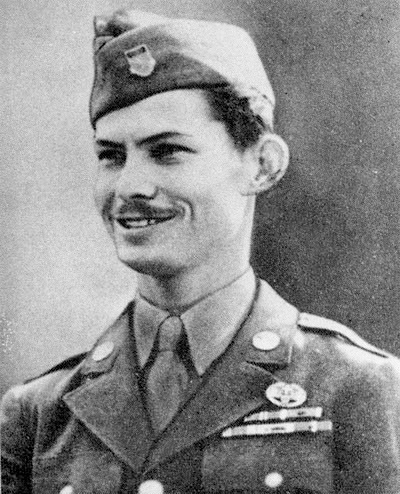


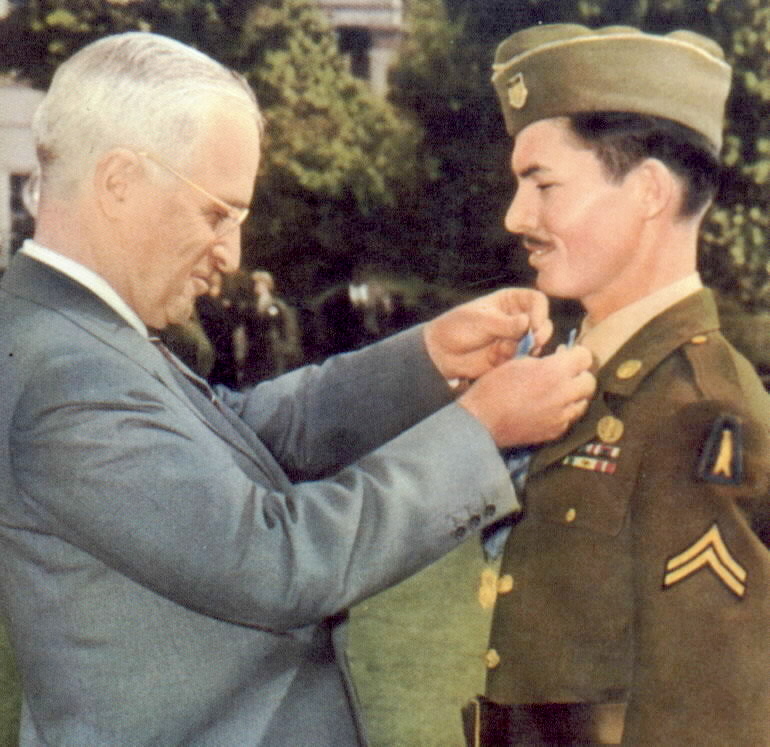

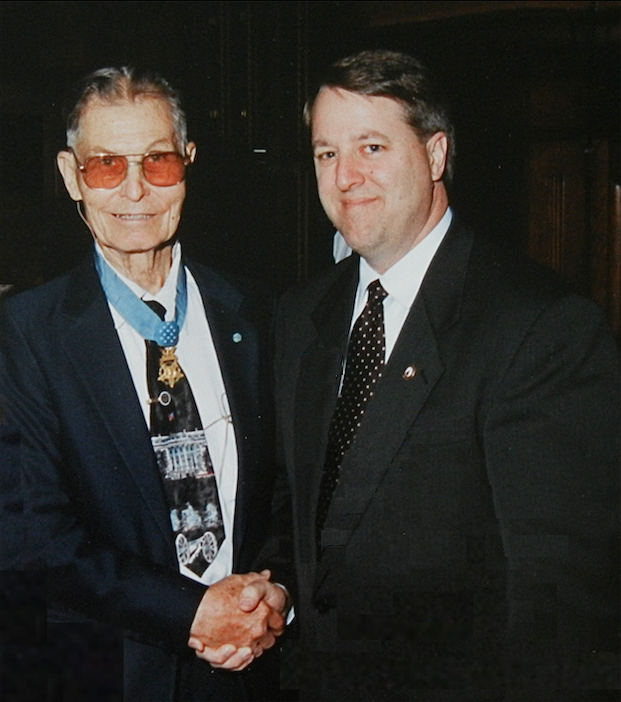

Early life and beliefs
Doss’s religious conviction led him to reject participation in killing or handling weapons; he consistently refused to carry or use any kind of weapons. These views brought him into conflict with some training officers and fellow soldiers, and he endured disciplinary proceedings and a court‑martial over his refusal to obey orders to bear arms. His conscientious stance, however, was recognized and he was retained in service as a noncombatant medic.
Military service and actions at Okinawa
Assigned to serve as a combat medic with an infantry unit in the Pacific, Doss saw heavy fighting in campaigns that culminated at the Maeda Escarpment on Okinawa, a position popularly called "Hacksaw Ridge." Under intense enemy fire and artillery bombardment, he repeatedly exposed himself to grave danger to render aid. Over the course of the engagement he is credited with rescuing approximately 75 wounded soldiers who could not be moved by ordinary means, lowering many down the escarpment on ropes and improvised slings and continuing to treat casualties on the frontline.
Awards and recognition
For conspicuous gallantry and devotion to duty, Doss was awarded the Medal of Honor in 1945, becoming the first known conscientious objector to receive the United States' highest military decoration. He also received the Purple Heart for wounds received in combat and other military honors recognizing his bravery and sacrifice. His case attracted attention because it illustrated the unusual combination of unarmed service and repeated acts of selfless heroism.
Later life and legacy
After the war, Doss returned to civilian life and lived quietly for many years while remaining active in his faith community. His story gained wider public attention through books, documentary material and a dramatized feature film that brought his experiences to a broad audience. Historians, ethicists and religious communities frequently cite his life when discussing wartime conscience, the role of noncombatants, and the moral complexities of service in armed conflict.
- Born and raised in Lynchburg; his Seventh‑day Adventist faith (Seventh‑day Adventist) shaped his refusal to carry weapons.
- Registered as a conscientious objector yet volunteered as a medic in the U.S. Army during World War II.
- Credited with saving roughly 75 men at Hacksaw Ridge; awarded the Medal of Honor and the Purple Heart.
- Subject of books, documentaries and a major motion picture, his life remains central to discussions on military ethics and religious conscience.
Doss’s example is often invoked to show that deeply held religious convictions and courage under enemy fire are not mutually exclusive. His legacy endures in military histories, ethical debates over conscientious objection and popular culture representations that emphasize the moral and human dimensions of wartime conduct.
Questions and answers
Q: Who was Desmond Doss?
A: Desmond Doss was a Seventh-day Adventist who grew up in Lynchburg, Virginia and was a combat medic in the United States Army during World War II.
Q: What did Desmond Doss believe in?
A: Desmond Doss was a pacifist and did not believe in violence. He chose not to use or carry weapons and vowed never to kill.
Q: What did Desmond Doss do during the Battle of Okinawa?
A: During the Battle of Okinawa, Desmond Doss saved 75 soldiers who were left behind and wounded. He tied them in a special knot and lowered them safely down the ridge.
Q: What did Desmond Doss receive after the war?
A: Desmond Doss was awarded many medals after the war, including the Medal of Honor, making him the first pacifist to receive the award. He also received the purple heart.
Q: Where did Desmond Doss grow up?
A: Desmond Doss grew up in Lynchburg, Virginia.
Q: What religion did Desmond Doss practice?
A: Desmond Doss was a Seventh-day Adventist.
Q: What did Desmond Doss vow not to do?
A: Desmond Doss vowed never to kill.
Related articles
Author
AlegsaOnline.com Desmond Doss: Conscientious Objector and Medal of Honor Recipient Leandro Alegsa
URL: https://en.alegsaonline.com/art/26857