
Lynchburg, Virginia — the City of Seven Hills
Lynchburg is an independent city in Virginia on the James River near the Blue Ridge foothills. Known for historic districts, colleges, and Civil War history, it blends education, heritage, and riverside scenery.
Overview
Lynchburg is an independent city in the U.S. state of Virginia. Perched in the foothills of the Blue Ridge, it occupies a prominent river corridor and has long been identified by the nicknames "City of Seven Hills" and "The Hill City." The city presents a mix of preserved 19th- and 20th-century neighborhoods, commercial corridors, and stretches of riverfront parkland that reflect its regional importance.
Image gallery
10 Images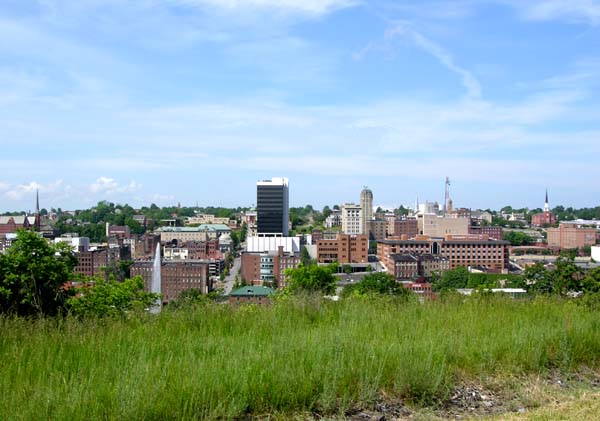




Location and geography
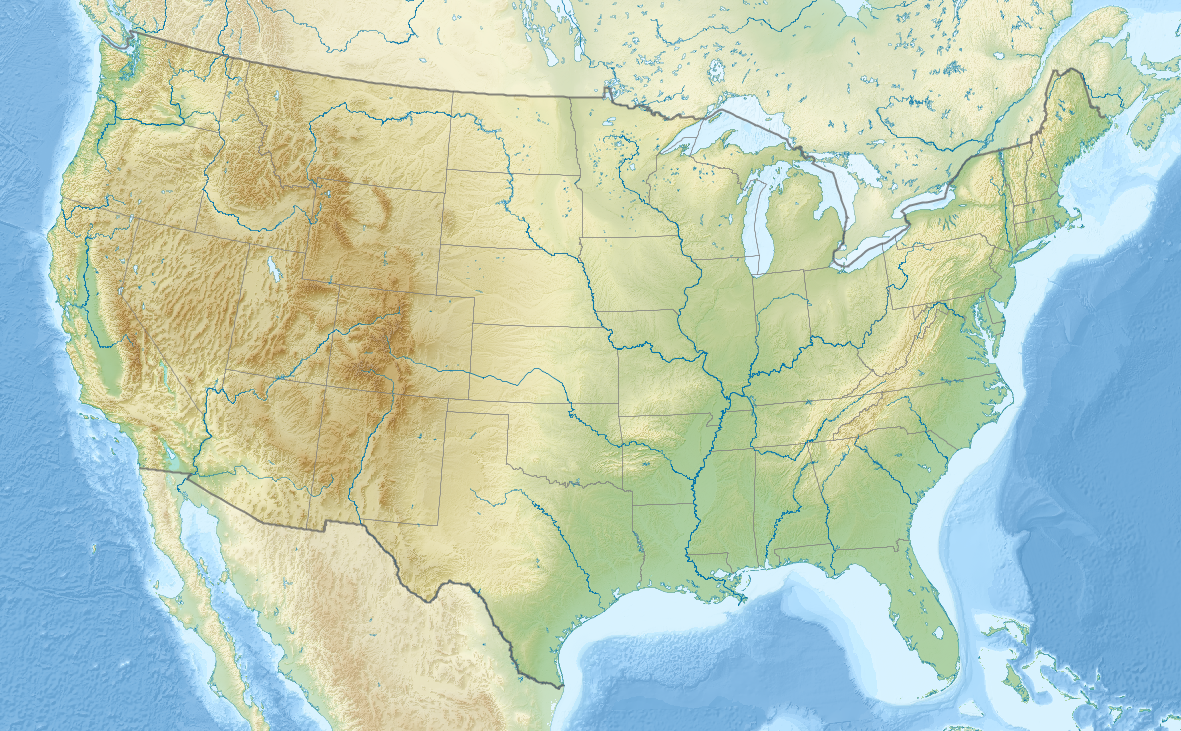
Lynchburg lies in the lower elevations of the Appalachian foothills and is closely associated with the Blue Ridge Mountains physiographic region. The James River flows through the city, forming a scenic and historically significant lifeline; many of Lynchburg’s early industrial and transportation features developed along this waterway. The river and surrounding hills shape both the city’s layout and its recreational opportunities.
History and development
The settlement that became Lynchburg grew around a ferry and trading site established in the 18th century and later expanded as a tobacco, trade, and transportation center. During the 19th century the city’s location on the James River and nearby road and rail routes made it a regional hub. Lynchburg also figured in the Civil War era as a supply and hospital center and experienced wartime engagements in its vicinity.
Culture, institutions, and economy
Education and health care are important to the modern local economy. Notable higher-education institutions include:
- Liberty University, a large private university
- University of Lynchburg (formerly Lynchburg College)
- Randolph College
These and other colleges support cultural amenities, research, and workforce development. Manufacturing, professional services, and medical centers also contribute to employment, alongside a downtown business district and small manufacturers in surrounding neighborhoods.
Historic districts and attractions
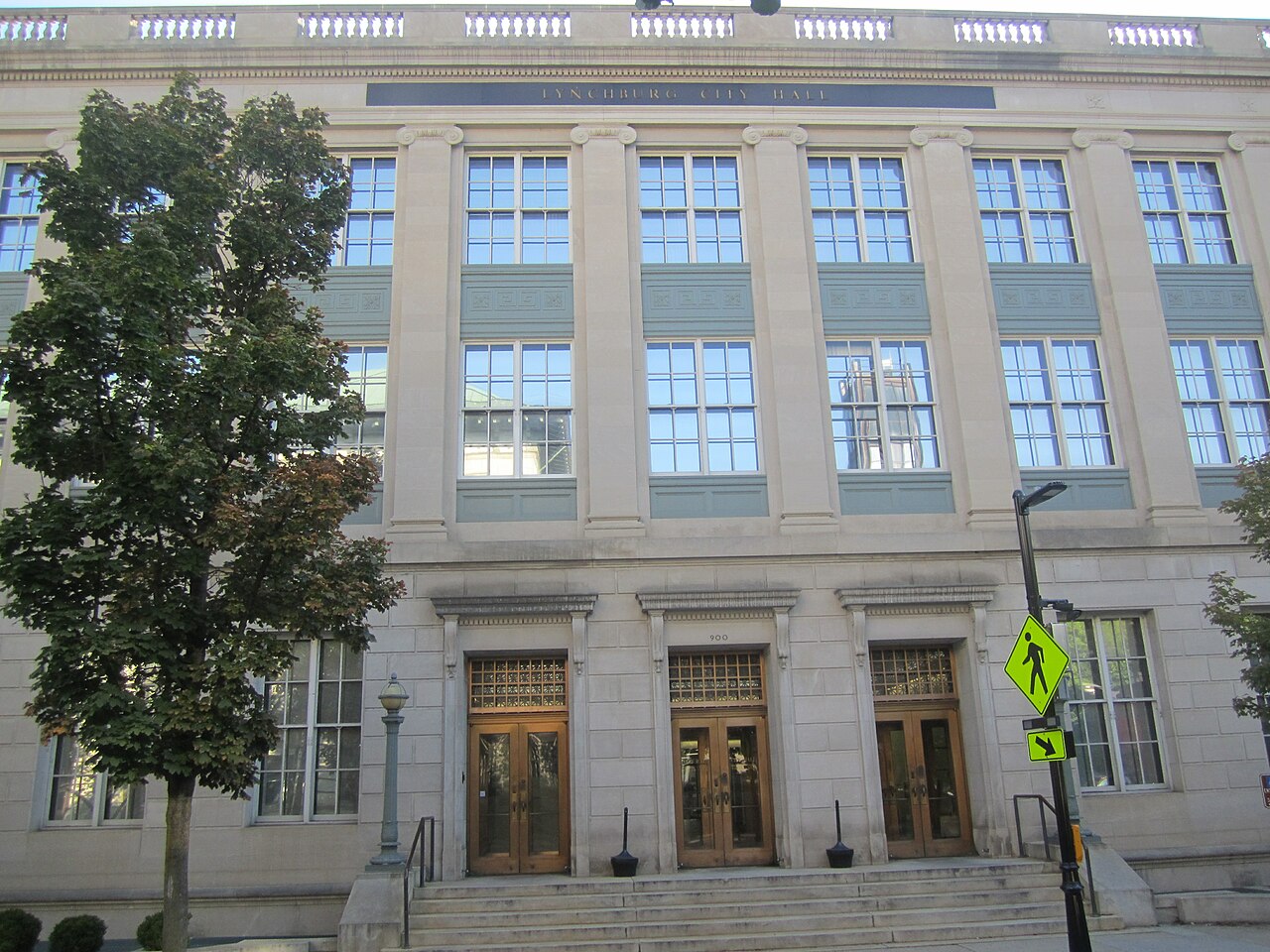
Lynchburg preserves a variety of historic residential and commercial districts, with examples of Victorian, Federal, and early 20th-century architecture. Visitors and residents make use of riverfront parks, trails, and restored downtown buildings that house galleries, theaters, and shops. Preservation efforts and adaptive reuse have been part of recent planning and revitalization efforts.
Demographics and civic character
At the 2010 census 75,568 people were reported as living in Lynchburg. As an independent city under Virginia law, Lynchburg is administratively separate from surrounding counties, a status sometimes summed up in its longtime slogan, "A City Unto Itself." Local identity is shaped by a combination of historical memory, educational institutions, and a landscape of hills and riverfront that continues to influence growth and planning.
For more on geography, governance, and civic resources see local guides and municipal pages, which provide current data on services, development projects, and cultural programming. James River conservation and recreational initiatives are frequently highlighted in regional planning documents and visitor information.
Related articles
Author
AlegsaOnline.com Lynchburg, Virginia — the City of Seven Hills Leandro Alegsa
URL: https://en.alegsaonline.com/art/60108
Sources
- wset.com : "Vice Mayor Joan Foster selected as new mayor of Lynchburg"
- geonames.usgs.gov : "US Board on Geographic Names"
- commons.wikimedia.org : Lynchburg, Virginia