
Desk (furniture): Types, Design, History and Uses
A desk is a work-oriented piece of furniture designed for writing, reading or computer tasks. This article covers forms, parts, history, uses, ergonomics and distinctions from tables.
A desk is a piece of furniture intended to provide a dedicated surface and storage for reading, writing, clerical work or computing. Unlike a table, which usually permits seating on multiple sides, most desks are designed so that only one side is used as the working face. Desks range widely in form and scale, from compact portable models to large built-in units intended for extensive storage and equipment.
Image gallery
9 Images
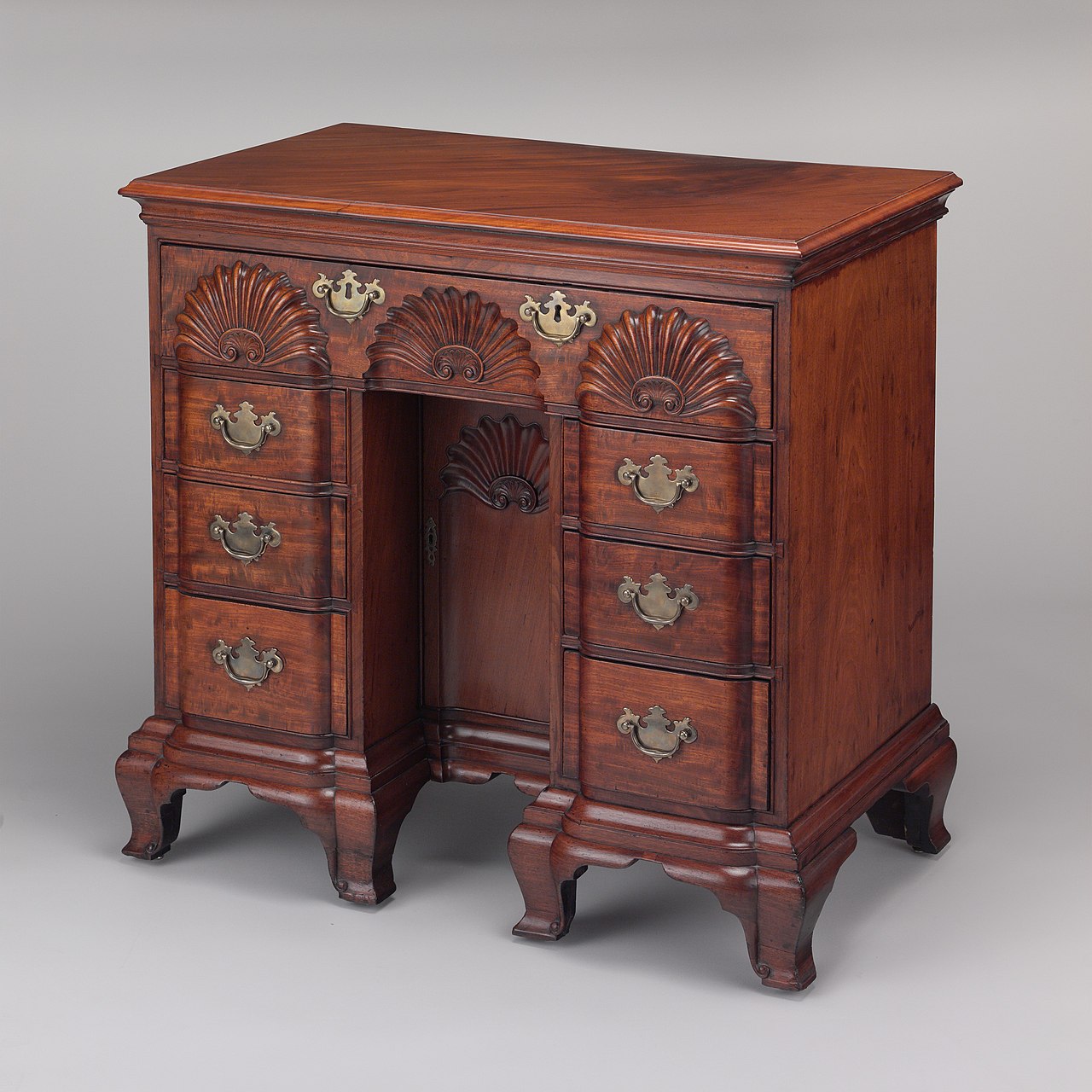


Characteristics and components
Typical desks combine a flat work surface with storage elements such as drawers, shelves, or a hutch. Common components include a desktop, knee space, a drawer stack, and sometimes a pull-out writing or keyboard tray. Materials vary from solid wood and engineered wood to metal, glass and laminates; finishes and construction reflect intended use and budget. Many desks are designed so that tools or documents are organized within reach, and feature cable management for electrical devices.
Common types and forms
Desks have evolved into many named types adapted to particular needs or styles. Examples include:
- Writing desk: a simple surface with minimal storage.
- Roll-top and secretary desks: with covers or compartments that close for privacy and protection.
- Partner and executive desks: large, often symmetrical pieces used in offices.
- Standing and adjustable desks: designed to allow varied working postures for health reasons.
- Armoire or executive storage desks: larger units that conceal a workspace within cabinetry.
- Portable and compact desks: small, mobile solutions for limited spaces and travel.
- School desks: simplified, durable desks used in schools, often with attached seating.
- Computer desks: arranged to hold a computer and related peripherals, with surfaces and openings for cables and ventilation.
Sizes, settings and typical uses
Desks come in a wide variety of sizes and are used in private homes, professional offices, educational institutions and public spaces. In offices they serve administrative and managerial tasks; at home they support study, correspondence and personal computing. In each setting the desk’s configuration reflects intended activity: a writing table emphasizes surface area, while a computer desk accommodates a monitor, tower or laptop and often provides a dedicated place for a keyboard and mouse.
History and development
Desks developed from early lecterns and writing tables into specialized furniture as administrative and domestic literacy expanded. Over time, changes in technology and work habits—such as the introduction of typewriters and later personal computers—shaped desk design, leading to new features like keyboard trays and cable routes. Industrial production and modular office systems in the 20th century made a wider range of affordable desk types available to businesses and households.
Ergonomics, organization and notable distinctions
Modern desk design gives increasing attention to ergonomics: appropriate height, adjustable seating, monitor placement and the ability to alternate between sitting and standing. Organization accessories—drawer inserts, shelving, and cable managers—help keep workspaces efficient and reduce clutter. A key distinction is the desk’s single-sided orientation versus a table’s multi-sided accessibility; this design focus supports concentrated individual work and integrated storage. Whether chosen for style, space or function, the desk remains a central element of organized work and study environments.
Author
AlegsaOnline.com Desk (furniture): Types, Design, History and Uses Leandro Alegsa
URL: https://en.alegsaonline.com/art/26853