
Desiya Murpokku Dravida Kazhagam (DMDK)
Desiya Murpokku Dravida Kazhagam (DMDK) is a regional political party in Tamil Nadu, India, founded by actor Vijayakanth in 2005; it rose rapidly to become the main opposition in 2011 before later declining.
Overview
Desiya Murpokku Dravida Kazhagam (DMDK) is a regional political party in the southern Indian state of Tamil Nadu. It was launched in 2005 by film actor and public figure Vijayakanth as an alternative to the long-established Dravidian parties. The party's stated aim was to offer a new political choice to voters in the state by combining elements of regional identity, social welfare rhetoric, and populist leadership. The party office is located in Koyambedu, Chennai, and the founding announcement was made in Madurai on 14 September 2005. DMDK operates within the democratic framework of India and participates in state and national elections.
Image gallery
3 Images
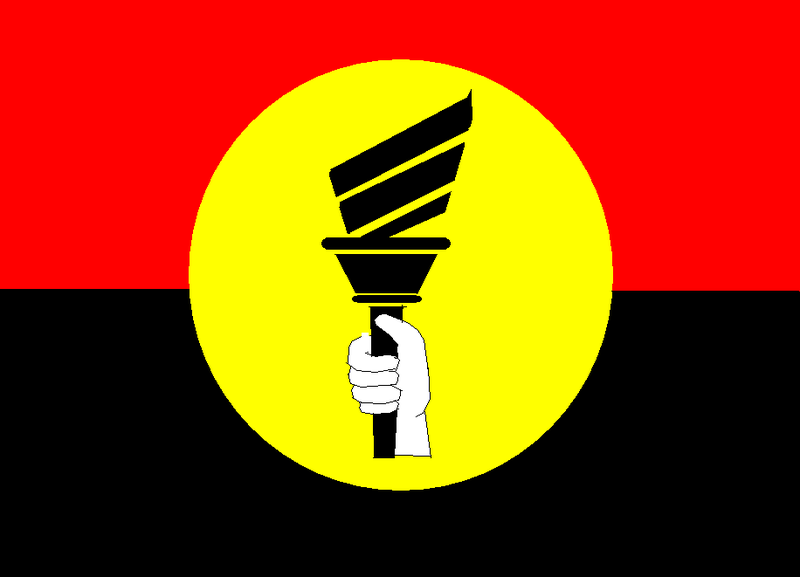

Characteristics and organisation
From its inception DMDK has been identified with a leader-centric structure centered on Vijayakanth, who combined celebrity appeal with political leadership. The party's public messaging emphasized good governance, anti-corruption themes, and populist measures aimed at farmers, small businesses, and working-class voters. Its organisation consists of state-level committees, district units and local cadres, and it has attempted to build a grassroots presence through rallies, social outreach, and local committees.
Electoral history and milestones
DMDK entered electoral politics quickly after its founding. In the 2006 Tamil Nadu legislative assembly elections the party contested all seats and polled a sizable vote share for a newcomer, drawing millions of votes statewide; its founder Vijayakanth won from the Vridhachalam constituency while most other candidates were unsuccessful. In the 2011 assembly elections, DMDK recorded its best performance by winning 29 seats and becoming the principal opposition in the assembly, with Vijayakanth serving as Leader of the Opposition. These early successes marked a rapid rise for a new regional party and demonstrated its capacity to alter electoral dynamics in the state.
- 2005: Party founded and publicly launched in Madurai.
- 2006: Contested all assembly seats; Vijayakanth won his seat.
- 2011: Won 29 assembly seats and became the opposition party.
Ideology, alliances and later developments
DMDK's political position has been described as rooted in Dravidian social concerns blended with a centrist, populist approach. While it sought to distinguish itself from established rivals, the party also entered alliances with major Tamil and national parties at different times in pursuit of electoral advantage. After its 2011 peak, DMDK faced internal challenges and electoral setbacks that reduced its legislative presence and influence. Like many regional parties founded around a prominent leader, its long-term fortunes have been tied closely to leadership, organisational consolidation, and changing voter preferences.
Importance and notable facts
DMDK's rapid emergence demonstrated the continuing importance of regional and personality-driven politics in Tamil Nadu. The party showed that a new organization could win substantial support quickly if it mobilised a distinct message and a charismatic leader. At its height DMDK altered coalition calculations and forced established parties to reassess strategies in both state and national contests. Observers often point to DMDK as a case study in how film industry figures can successfully transition into competitive regional politics in India.
For further background on the party's founder and its role in state politics, see profiles of Vijayakanth and resources on politics in Tamil Nadu. The party headquarters in Chennai and its launch event in Madurai are frequently referenced landmarks in accounts of the party's origin, and wider context about Indian regional parties can be explored through materials on India politics.
Related articles
Author
AlegsaOnline.com Desiya Murpokku Dravida Kazhagam (DMDK) Leandro Alegsa
URL: https://en.alegsaonline.com/art/26851