
Deposed Queen Yun of Joseon
Deposed Queen Yun (폐비 윤씨, 廢妃 尹氏) was a 15th-century Joseon queen consort, second wife of King Seongjong and mother of Yeonsangun; her removal and death shaped later court politics and her son's reign.
Overview
Deposed Queen Yun (폐비 윤씨; 廢妃 尹氏) was a queen consort of Korea's Joseon dynasty, known today mainly for her position as the second wife of King Seongjong and as the mother of Yeonsangun (Yeonsangun). She lived in the fifteenth century and died on 16 August 1482. Her fall from grace and subsequent death became a notable episode in late fifteenth‑century court politics.
Image gallery
1 Image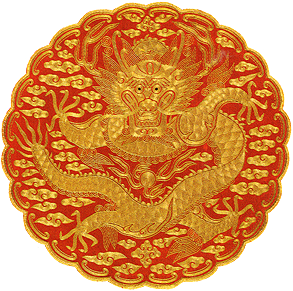
Family role and position
As queen consort, Yun occupied the highest female rank at the royal court while serving as mother to the crown prince. The office of queen in Joseon involved ceremonial duties, management of palace affairs, and participation in lineage rituals. Her status as the king's principal wife linked her closely to competing political factions at court, where family connections and rivalries often shaped influence and policy.
Deposition and immediate aftermath
Queen Yun was formally removed from her position by royal decree and is commonly referred to in historical records as a deposed queen. Deposition of a queen in Joseon could follow accusations of impropriety, political accusations, or factional pressure; the process typically involved investigation by senior officials and a decision recorded in state annals. She died in 1482 not long after being stripped of her title, and contemporary chronicles record her removal as a catalyst for heightened factional tensions.
Legacy and historical significance
Her son later ascended the throne as Yeonsangun, whose reign (often remembered as turbulent and retributive) was shaped in part by the memory of perceived wrongs against his mother. Historians note that episodes involving royal family members, especially deposed consorts, could have long consequences because they provided motives for later political action and served as justification for reprisals or reforms.
Context and notable facts
- Deposition of queens in Joseon required formal procedures and left a lasting mark on court records and ritual standings.
- Contemporary court annals and later historiography treat Deposed Queen Yun as an important figure largely because of her connection to Yeonsangun and the political turmoil that followed.
- Her life illustrates how personal rivalry and factional politics intersected with official roles in the Joseon royal household.
Together, these elements make Deposed Queen Yun a significant subject for understanding the social and political dynamics of the Joseon court in the late fifteenth century. For further reading, consult primary annals and modern studies of Seongjong's reign and Yeonsangun's succession for fuller accounts of the events associated with her deposition.
Questions and answers
Q: Who was Deposed Queen Yun?
A: Deposed Queen Yun was a queen of the Joseon Dynasty.
Q: When was Deposed Queen Yun born?
A: The exact date of birth of Deposed Queen Yun is unknown, but it is believed to be in 1445.
Q: Who was Deposed Queen Yun married to?
A: Deposed Queen Yun was married to King Seongjong.
Q: Did Deposed Queen Yun have any children?
A: Yes, Deposed Queen Yun was the mother of Yeonsangun of Joseon.
Q: When did Deposed Queen Yun die?
A: Deposed Queen Yun died on August 16, 1482.
Q: What was Deposed Queen Yun's title after her removal from the throne?
A: After being deposed, Deposed Queen Yun's title was simply "Yoon-shi," which means "Lady Yoon."
Q: In which dynasty did Deposed Queen Yun live?
A: Deposed Queen Yun lived in the Joseon Dynasty.
Related articles
Author
AlegsaOnline.com Deposed Queen Yun of Joseon Leandro Alegsa
URL: https://en.alegsaonline.com/art/26706
Sources
- people.aks.ac.kr : people.aks.ac.kr/front/tabCon/ppl/pplView.aks?pplId=PPL_6JOa_A1445_2_0019315
- 100.naver.com : 100.naver.com/100.nhn?docid=181894
- ohmynews.com : ohmynews.com/NWS_Web/view/at_pg.aspx?CNTN_CD=A0000839977