
Yeonsangun of Joseon — the tenth monarch of the Joseon dynasty
Yeonsangun (Yi Yung, 1476–1506) ruled Joseon from 1494 to 1506. Remembered for severe purges, suppression of scholarship, and autocratic excess, he was deposed in a 1506 coup and replaced by Jungjong.
Yeonsangun (born Yi Yung, 1476–1506) was the tenth ruler of Korea's Joseon dynasty. His posthumous and commonly used name in historical accounts is 연산군 and in classical characters 燕山君. He succeeded his father in 1494 and reigned until 1506. As a member of the royal House of Yi he was a descendant of earlier Joseon kings and is often described in traditional sources as a great-grandson of Sejong the Great.
Image gallery
2 Images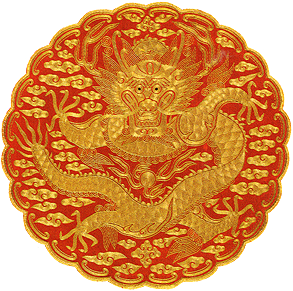

Early life and accession
Born into a royal household marked by factional rivalries, Yi Yung grew up amid palace intrigue and competing court factions. When he became king in 1494, expectations were shaped by Confucian ideals of benevolent rule. Contemporary chroniclers report that his early reign followed established protocols, but tensions inherited from previous reigns and the king's personal temperament soon altered the court's balance.
Rule and policies
Yeonsangun's period on the throne is most often characterized by growing autocracy. Officials and scholars who opposed him faced severe punishments. Many institutions central to Joseon's Confucian governance and intellectual life were disrupted during his reign. Reports from later historians emphasize a sequence of repressive acts that included purges of officials, confiscation of property from political opponents, and the temporary closure or curtailment of certain academies and examination practices that had trained the bureaucracy.
Notable actions and controversies
- Reprisals against those connected to the removal or execution of his mother, which intensified factional violence at court.
- Suppression of dissent among the literati and bureaucrats, leading to executions, exiles, and demotions.
- Interference with state rituals and scholarly activities that weakened official institutions.
These actions generated alarm among veteran ministers and the scholarly elite, who viewed the behavior as destructive to the Confucian moral order underpinning Joseon governance.
Downfall and legacy
Concerns about instability culminated in a palace coup in 1506. Court leaders deposed Yeonsangun and installed his half-brother, who became King Jungjong. Yeonsangun was stripped of sovereign honors in many accounts and his reign was judged harshly by subsequent historians and Confucian scholars. He died shortly after his removal.
Modern historians debate elements of his rule, noting that official chronicles were written by his successors and their allies and thus reflect political biases. Nevertheless, Yeonsangun's reign is widely remembered for the scale of repression, the interruption of civil institutions, and the dramatic court politics that led to a forced change of monarch. For further reading on Joseon political culture and the role of literati in governance, see general sources on Joseon history and the reigns around the turn of the 16th century.
Author
AlegsaOnline.com Yeonsangun of Joseon — the tenth monarch of the Joseon dynasty Leandro Alegsa
URL: https://en.alegsaonline.com/art/133161