
Dennis Kamakahi: Hawaiian slack-key guitarist, composer and minister
Dennis Kamakahi (1953–2014), Hawaiian slack-key guitarist, composer and Christian minister. Renowned for his recordings, compositions, Grammy wins and induction into the Hawaiian Music Hall of Fame.
Dennis David Kahekilimamaoikalanikeha Kamakahi (March 31, 1953 – April 28, 2014) was a prominent Hawaiian musician, composer and ordained Christian minister. Born in Honolulu, Hawaii, he became widely known for his mastery of slack-key guitar (kī hō‘alu), his original compositions and his work as a recording artist and teacher. Over a multi-decade career he helped bring traditional Hawaiian guitar styles to wider audiences while maintaining deep ties to local musical communities.
Image gallery
2 Images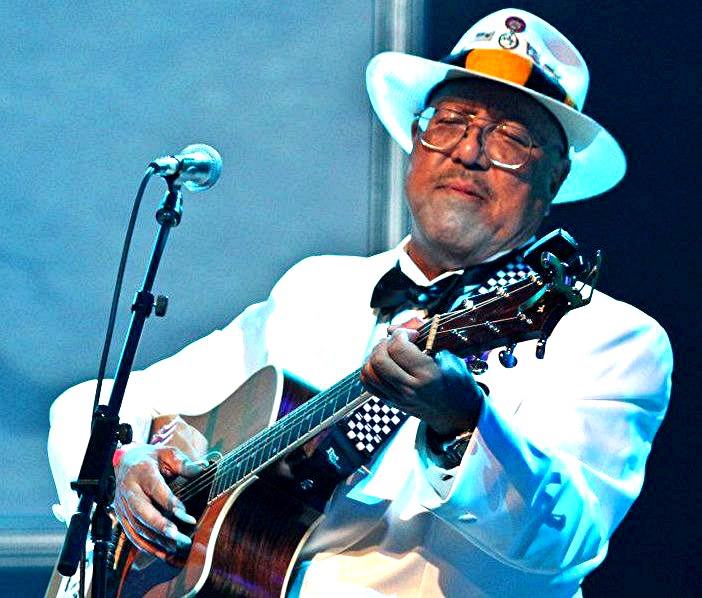

Musical style and contributions
Kamakahi’s playing exemplified the slack-key tradition: open tunings, fluid fingerpicking, and a warm, resonant tone that blends melody and accompaniment. He was respected for arrangements that honored native idioms while accommodating contemporary recording practices. His songs are often described as lyrical and rooted in Hawaiian language, place and cultural memory.
Career, recordings and compositions
As a recording artist and session player, Kamakahi performed on numerous albums and collaborated with many of Hawaii’s leading musicians. He wrote compositions that entered the modern Hawaiian repertoire and became standards for other players. Beyond studio work, he led workshops, taught younger musicians and participated in festivals and community events, helping to transmit kī hō‘alu techniques and repertoire to new generations.
Awards and recognition
During his career Kamakahi received national recognition, including multiple Grammy Awards and other honors that acknowledged both performance and production work. He was inducted into the Hawaiian Music Hall of Fame in 2009, a reflection of his influence on Hawaiian music and culture. For more on his national awards see Grammy recognitions.
Ministry and later life
Ordained as a Christian minister, Kamakahi combined musical vocation and pastoral service, performing in religious settings and community gatherings. His role as a reverend informed much of his later public work and outreach; for information about his ministry see ministerial profile. He lived and worked primarily in Honolulu, the city of his birth, which served as a continuing base for performances and teaching honolulu.
Kamakahi died in Honolulu on April 28, 2014, from lung cancer at age 61. His passing was noted across the Hawaiian and wider music communities; accounts of his illness and death appear in contemporary reports about his cause of death. His recordings, compositions and teaching legacy continue to influence players and listeners interested in Hawaiian music.
Notable roles and legacy
- Performer: solo artist and ensemble collaborator
- Composer: contributor of songs to the Hawaiian repertoire
- Teacher: mentor and workshop leader for slack-key guitar
- Minister and community leader
Related articles
Author
AlegsaOnline.com Dennis Kamakahi: Hawaiian slack-key guitarist, composer and minister Leandro Alegsa
URL: https://en.alegsaonline.com/art/26618
Sources
- evi.com : "facts about Dennis Kamakahi"