
Dennington, Suffolk
Dennington is a small rural village and civil parish in Suffolk, England, known for its historic parish church, a small population (554 in 2001), and location along the A1120 in the former Suffolk Coastal district.
Overview
Dennington is a village and civil parish in the former Suffolk Coastal district of eastern England, within the county of Suffolk. It lies along the A1120 road and has long been a small agricultural community. At the 2001 census the parish recorded a population of 554 residents, reflecting its character as a compact rural settlement rather than an expanding commuter centre. The parish forms part of the wider East Suffolk area administratively and is typical of villages that dot the county landscape.
Image gallery
1 Image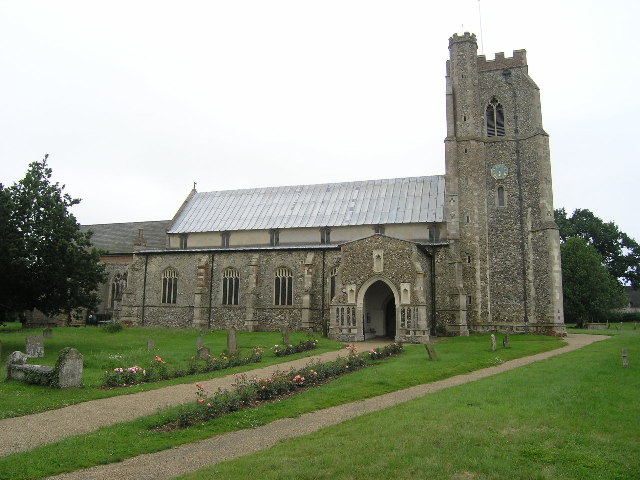
Character and built environment
The village comprises a mix of residential houses, farm buildings and a small cluster of local amenities. Dennington contains several older buildings and structures that contribute to its historic appearance; the core settlement retains a rural setting with fields and hedgerows surrounding the cluster of properties. Traditional local materials and vernacular forms are evident in some houses, and there are properties of architectural and historic interest recorded at parish level.
Church and community life
The parish church, dedicated to St Mary, is a long-standing focal point for worship and community gatherings. The church, together with village events and parish council activities, helps sustain local identity and social life. Many village households are involved in agriculture, local trades, or commute to nearby market towns for employment and services.
History and governance
Dennington has roots as a historic English parish and has evolved within the county's system of local government. It was part of the Suffolk Coastal district and is now administered within broader East Suffolk arrangements. Like many Suffolk villages, it developed around farming and the parish church, with settlement pattern shaped by roads such as the A1120 that link smaller villages to larger market towns.
Quick facts
- County: Suffolk
- Former district: Suffolk Coastal
- Main road: A1120
- Parish church: St Mary
- Population (2001 census): 554
Visitors and residents value Dennington for its quiet rural character and its place within the agricultural landscape of Suffolk. Its modest size and heritage features make it representative of many long-established English villages in the region.
Related articles
Author
AlegsaOnline.com Dennington, Suffolk Leandro Alegsa
URL: https://en.alegsaonline.com/art/26609
Sources
- genuki.org.uk : GENUKI
- ons.gov.uk : "Local statistics - Office for National Statistics"
- onesuffolk.net : "One Suffolk"
- suffolkchurches.co.uk : "Dennington"