
Deptford, London
Deptford is a district in south‑east London known for its historic Royal Navy dockyard, riverside industrial past, cultural diversity and ongoing regeneration within the London Borough of Lewisham.
Overview
Deptford is an inner‑city district in south‑east London, historically tied to shipbuilding and riverside industry. Today it is a mixed residential and commercial area with a distinctive local market, creative enterprises and a multicultural population. The neighbourhood’s identity has been shaped by its maritime past and by waves of change since the docks closed.
Image gallery
10 Images
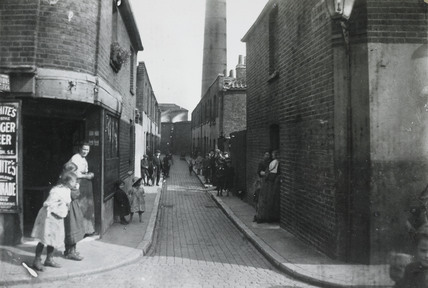


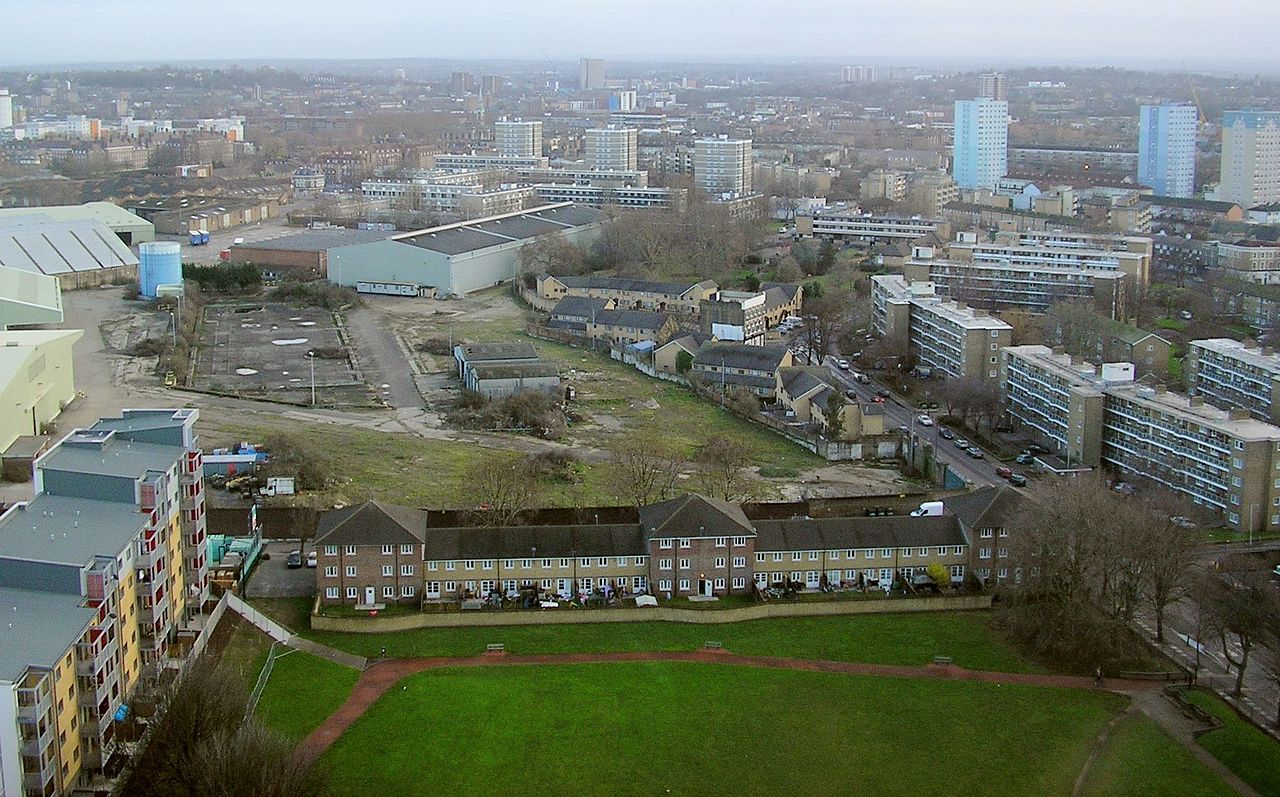

Geography and infrastructure
Deptford lies on the south bank of the River Thames and the tidal inlet known as Deptford Creek, where freshwater streams meet the river. It falls within the London Borough of Lewisham and sits close to Greenwich and New Cross. Transport links include suburban rail and local bus services that connect Deptford to central London and neighbouring districts, supporting both commuters and local commerce.
History
The area is best known for Deptford Dockyard, established in the early 16th century and active through much of the 17th–19th centuries. The yard was crucial to England’s naval strength and hosted shipbuilding, repairs and naval administration in the age of sail. Deptford’s maritime role made it one of the country’s important naval towns and attracted skilled workers, craftsmen and associated industries. Over time the Royal Navy’s presence diminished and the docks’ commercial importance declined.
Culture, economy and landmarks
Deptford has a lively market scene and a varied high street with independent shops, cafes and pubs. Its cultural life includes galleries, studios and performance spaces that grew as former industrial premises found new uses. Notable historical associations include literary and scientific figures and episodes from the 16th and 17th centuries. The area’s riverside and creek remain important elements of local character, with some surviving wharves and warehouses repurposed for modern uses.
Decline, closure and regeneration
As naval activities moved elsewhere and Britain’s commercial docks contracted, Deptford underwent economic decline. The last major dock site at Convoys Wharf closed in 2000, a milestone often cited in discussions about the area’s recent transformation. Since then there have been successive plans and debates about redevelopment, housing, and public access to the riverfront, reflecting wider tensions between conservation, local needs and new investment.
Notable facts and distinctions
- Deptford Dockyard was a central naval facility in the early modern period and helped establish the area’s maritime character (dockyard era).
- The dockyard’s role in naval history linked Deptford to the broader development of the Royal Navy and overseas exploration.
- Convoys Wharf, the last commercial dock site, closed at the turn of the 21st century (closure and redevelopment).
Today Deptford is often described as a place in transition: its long maritime legacy remains visible in street names and surviving buildings, while new cultural, residential and commercial projects continue to reshape the district’s future.
Related articles
Author
AlegsaOnline.com Deptford, London Leandro Alegsa
URL: https://en.alegsaonline.com/art/26719