
Della Rovere — Italian noble family, papal dynasty and Renaissance patrons
Prominent noble house from Savona that rose to power in Urbino through two popes, dynastic marriages and artistic patronage; known for the Sistine Chapel, San Pietro in Vincoli and ties to the Grand Duchy of Tuscany.
Overview
The Della Rovere were an Italian noble family whose name means "of the oak tree." Originating in the coastal city of Savona in Liguria, they became major figures in central Italy and the Renaissance political landscape centered on Urbino and other parts of central Italy. Their rise combined papal influence, well‑chosen marriages and active participation in contemporary politics and culture.
Image gallery
10 Images




Origins and ascent
The family established itself as aristocrats through a mixture of local commerce and strategic alliances. Two members reached the papacy and used that position to elevate relatives and secure territories. Contemporary observers often described this process as nepotism, a common practice of the era; the term itself is associated with similar papal family strategies (see).
Popes and political power
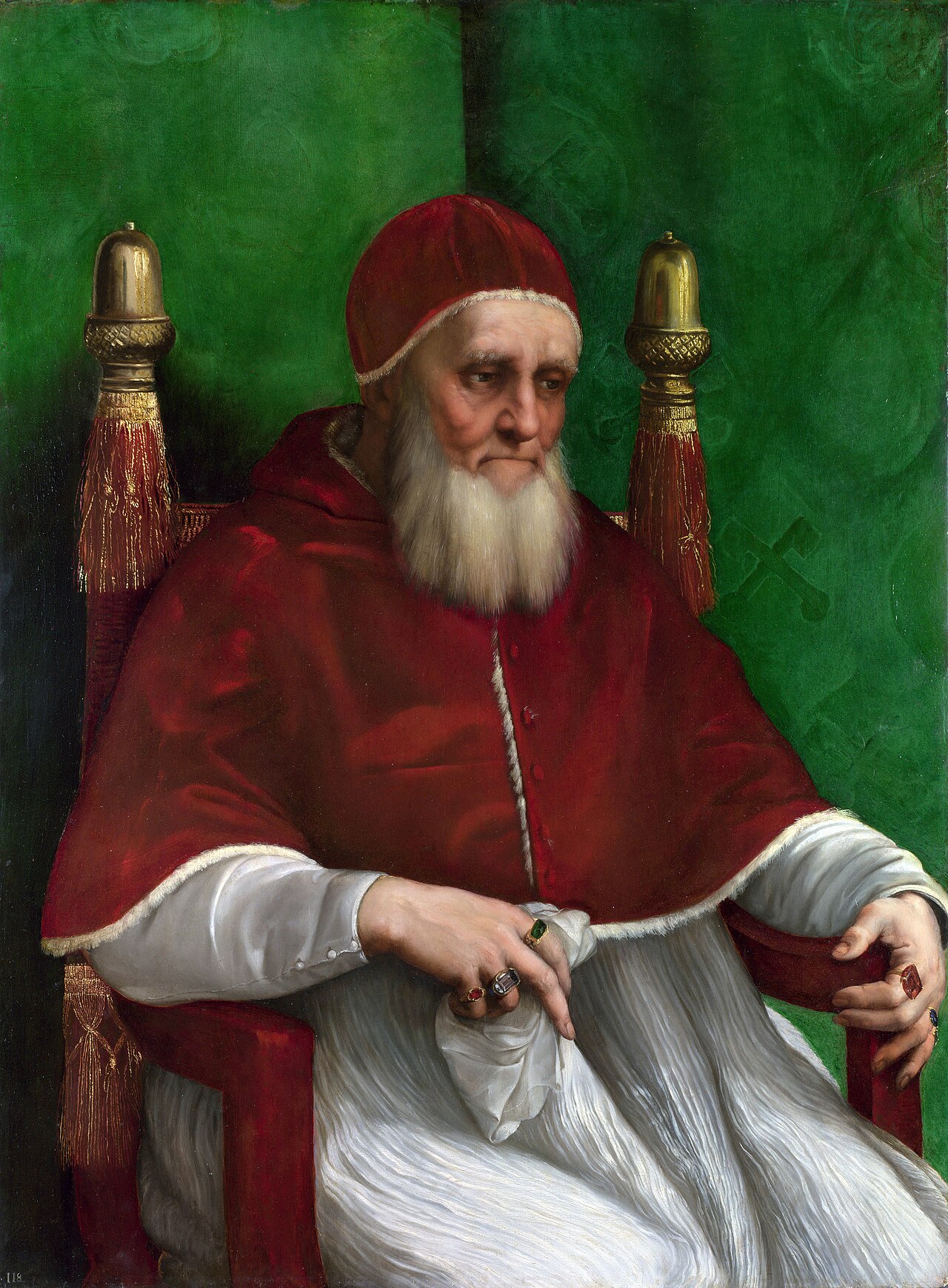
Francesco Della Rovere became Pope Sixtus IV (1471–1484) and his nephew Giuliano Della Rovere became Pope Julius II (1503–1513). Both popes shaped the family's fortunes: Sixtus IV consolidated ecclesiastical and financial power, while Julius II combined shrine building and military campaigns to strengthen papal territories. Their papacies had long‑lasting effects on Italian diplomacy, art commissions and the governance of the territories they influenced. Read more about each pontiff's papacy in the linked entries: Sixtus IV and Julius II.
Patronage, art and architecture
The Della Rovere were important Renaissance patrons. Sixtus IV commissioned the construction of the chapel that bears his name, the Sistine Chapel, and the family maintained strong ties to architects, sculptors and painters. Julius II continued and expanded this patronage, most famously through projects that engaged leading artists of the time. The family's designated church in Rome was the Basilica of San Pietro in Vincoli, notable today for the tomb and the statue of Moses by Michelangelo, a surviving testament to the era's ambition in sacred art and monumental tomb design.
Dynastic rule and later generations
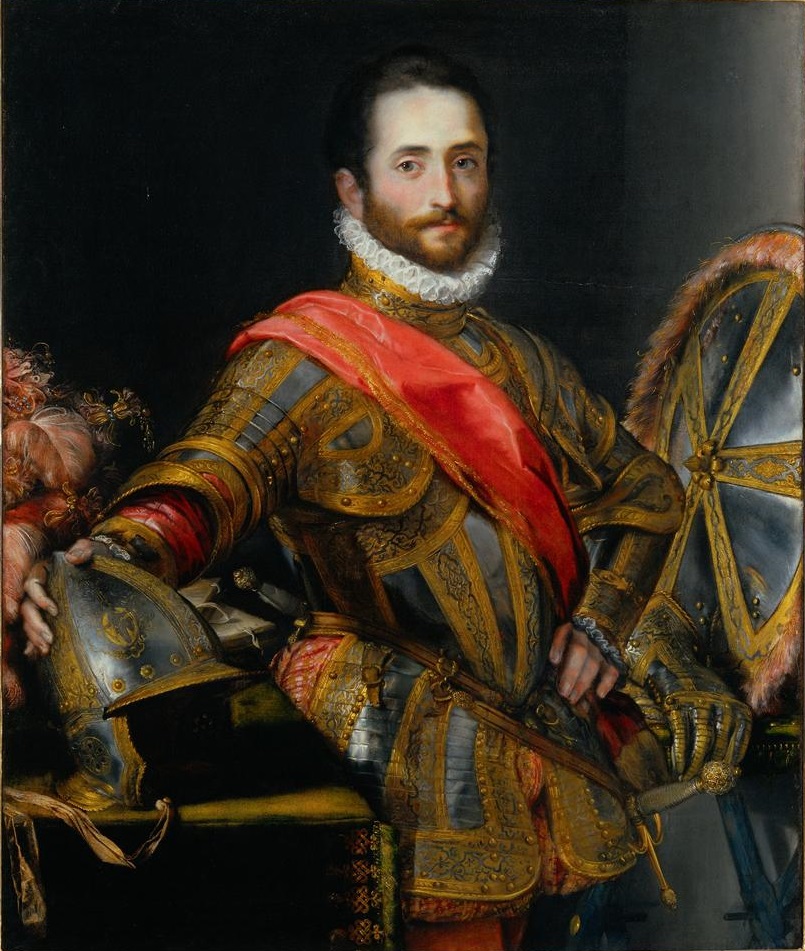
Beyond the papacy, the Della Rovere established secular rule in the Duchy of Urbino and allied with other noble houses by arranging marriages that reinforced their claims and possessions. Over generations the family produced dukes, commanders and courtiers who participated in the shifting politics of Italian city‑states. Their influence gradually declined as larger dynasties and evolving state structures absorbed or outlasted smaller principalities.
Notable members and legacy
- Sixtus IV — Pope known for major building projects and creating a network of relatives in positions of power (Sixtus IV).
- Julius II — Pope remembered for artistic patronage and territorial campaigns (Julius II).
- Vittoria della Rovere — One of the last prominent Della Rovere heirs whose marriage connected the family's collections and titles to the Medici and the Grand Duchy of Tuscany (Vittoria della Rovere).
Distinctive facts
The family name evokes the oak, a symbol of strength and longevity. Their designated Roman church, San Pietro in Vincoli, and commissions such as the Sistine Chapel link the Della Rovere indelibly to the visual and religious culture of the Renaissance. For concise accounts of the family's place in urban and papal politics, see additional references and overviews (Urbino, central Italy, and studies on nepotism in the papacy).
Although their direct line ultimately faded, the Della Rovere left a visible legacy in architecture, sculpture and the transfer of art collections into other great houses of Italy — an impact still evident in museums, churches and scholarship today.
Questions and answers
Q: Who were the Della Rovere family?
A: The Della Rovere family was a noble family from Urbino, in central Italy, that originally came from Savona, Liguria.
Q: How did the family rise to nobility?
A: The Della Rovere family rose to nobility through nepotism and ambitious marriages, arranged by two Della Rovere popes, Francesco della Rovere (Pope Sixtus IV) and his nephew Giuliano (Pope Julius II).
Q: What is Pope Sixtus IV known for?
A: Pope Sixtus IV is known for having built the Sistine Chapel, which is named after him.
Q: What is the family church of the Della Rovere family?
A: The family church of the Della Rovere family is the Basilica San Pietro in Vincoli in Rome.
Q: Who was Vittoria della Rovere?
A: Vittoria della Rovere was a member of the Della Rovere family and was one of the last Grand Duchesses of Tuscany.
Q: What is the pronunciation of Della Rovere?
A: Della Rovere is pronounced as [della ˈroːvere].
Q: From where did the Della Rovere family originally come?
A: The Della Rovere family originally came from Savona, Liguria.
Author
AlegsaOnline.com Della Rovere — Italian noble family, papal dynasty and Renaissance patrons Leandro Alegsa
URL: https://en.alegsaonline.com/art/26410
Sources
- newadvent.org : "Pope Sixtus IV"
- newadvent.org : "Pope Julius II"