
Pope Sixtus IV (Francesco della Rovere)
Pope from 1471 to 1484 who commissioned the Sistine Chapel, expanded the Vatican Library, practiced nepotism, and played a major political role in Renaissance Italy.
Overview
Pope Sixtus IV (born Francesco della Rovere; 21 July 1414 – 12 August 1484) led the Roman Catholic Church from 1471 until his death in 1484. A friar by origin, he rose through ecclesiastical ranks to the papacy and is best remembered for his energetic patronage of Renaissance art and architecture as well as for controversial political interventions across Italy.
Image gallery
7 Images



Early life and career
Francesco della Rovere was born in Liguria and entered the Franciscan order as a young man; he remained associated with the order throughout his career and is often described as a Franciscan who combined monastic learning with practical administration. Before his election he served in several important church offices and gained a reputation as a capable organizer and diplomat.
Papal government and policies
When elected Pope in 1471, Sixtus IV focused on strengthening papal institutions and the temporal power of the Papal States. He enlarged the curia, fortified towns, negotiated with Italian princes, and created numerous cardinals and officials. His frequent appointments of relatives to high office—nepotism—left a lasting mark on the reputation of his pontificate and produced influential figures, including relatives who later became important leaders in the church.
Patronage, building projects, and the Sistine Chapel
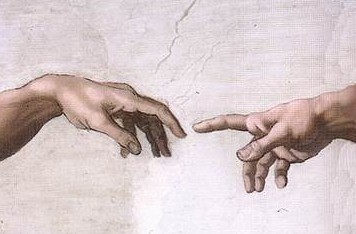
Sixtus IV was an active patron of the arts and letters. He is credited with formally establishing and enriching the Vatican Library, acquiring manuscripts and appointing scholars to oversee it. One of his most famous initiatives was commissioning the chapel in the papal palace that bears his name: the Sistine Chapel. Under his direction the chapel was built and decorated with frescoes by leading Florentine painters of the time; the vast ceiling decoration that is now most closely associated with the Sistine Chapel was executed later by Michelangelo under a different pope.
Controversies and political impact
Sixtus IV's interventionist policies embroiled him in several conflicts. He played a role in the complex politics of Renaissance Italy, which included tense relations with Florence and other city-states. The fallout from conspiracies and family-based power politics during his reign provoked criticism at home and abroad. He also granted authorities certain ecclesiastical powers to secular rulers, a decision with long-term consequences for church–state relations in parts of Europe.
Legacy
Sixtus IV's legacy combines lasting cultural achievements and contentious political practices. His support for art and the foundations he laid for the Vatican Library advanced Renaissance learning and visual culture; at the same time, his use of family ties to secure political influence contributed to later calls for reform. He died in 1484 after a thirteen-year pontificate that exemplified both the creative energy and the factionalism of the period.
Further reading and resources: Franciscan orders, the Roman Curia, lists of popes, and studies of the Sistine Chapel.
Questions and answers
Q: Who was Pope Sixtus IV?
A: Pope Sixtus IV was an Italian priest of the Roman Catholic Church and the 213th Pope from 1471 until his death in 1484.
Q: What was Pope Sixtus IV's birth name?
A: Pope Sixtus IV's birth name was Francesco della Rovere.
Q: When was Pope Sixtus IV born and when did he die?
A: Pope Sixtus IV was born on 21 July 1414 and he died on 12 August 1484.
Q: What is Pope Sixtus IV known for?
A: Pope Sixtus IV is known for beginning construction of the Sistine Chapel.
Q: What is the Sistine Chapel?
A: The Sistine Chapel is a chapel in the Apostolic Palace in Vatican City, the official residence of the Pope.
Q: When did Pope Sixtus IV become Pope?
A: Pope Sixtus IV became Pope in 1471.
Q: How long was Pope Sixtus IV Pope for?
A: Pope Sixtus IV was Pope for 13 years, from 1471 until his death in 1484.
Author
AlegsaOnline.com Pope Sixtus IV (Francesco della Rovere) Leandro Alegsa
URL: https://en.alegsaonline.com/art/128935