
Pope Julius II (Giuliano della Rovere) — Warrior Pope and Patron of the Arts
Pope from 1503–1513, known as the 'Warrior Pope' for military campaigns that strengthened the Papal States and as a major patron who commissioned the Sistine Chapel ceiling and rebuilt St. Peter's.
Pope Julius II (born Giuliano della Rovere, 1443–1513) served as head of the Roman Catholic Church between 1503 and 1513. He combined political ambition, military action and energetic patronage of artists and architects to restore papal authority in Italy and leave a lasting cultural legacy. As a member of the Roman hierarchy he rose through the cardinalate to the papacy; contemporaries often called him the "Warrior Pope" for his direct involvement in military affairs and diplomacy.
Image gallery
10 Images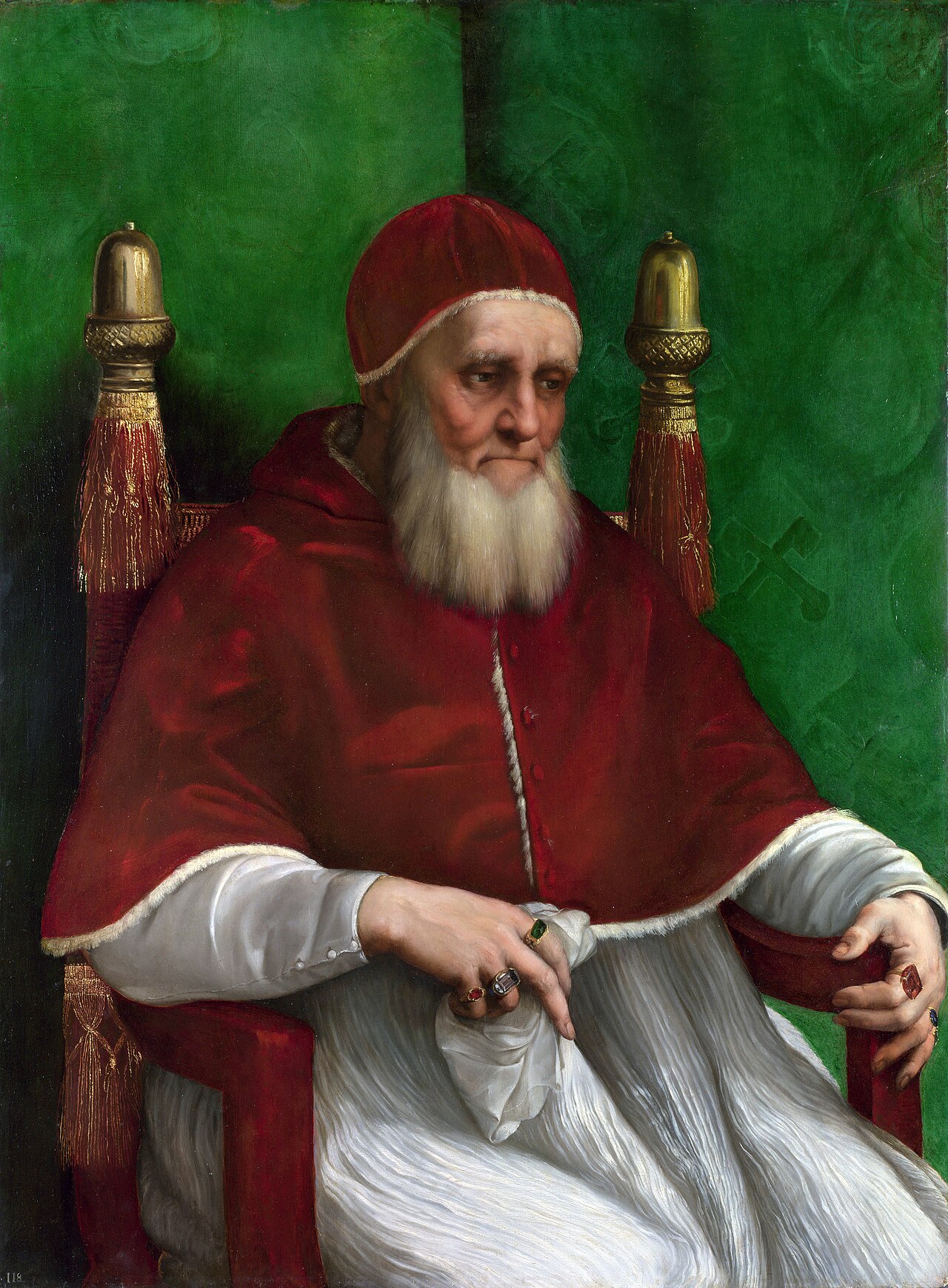


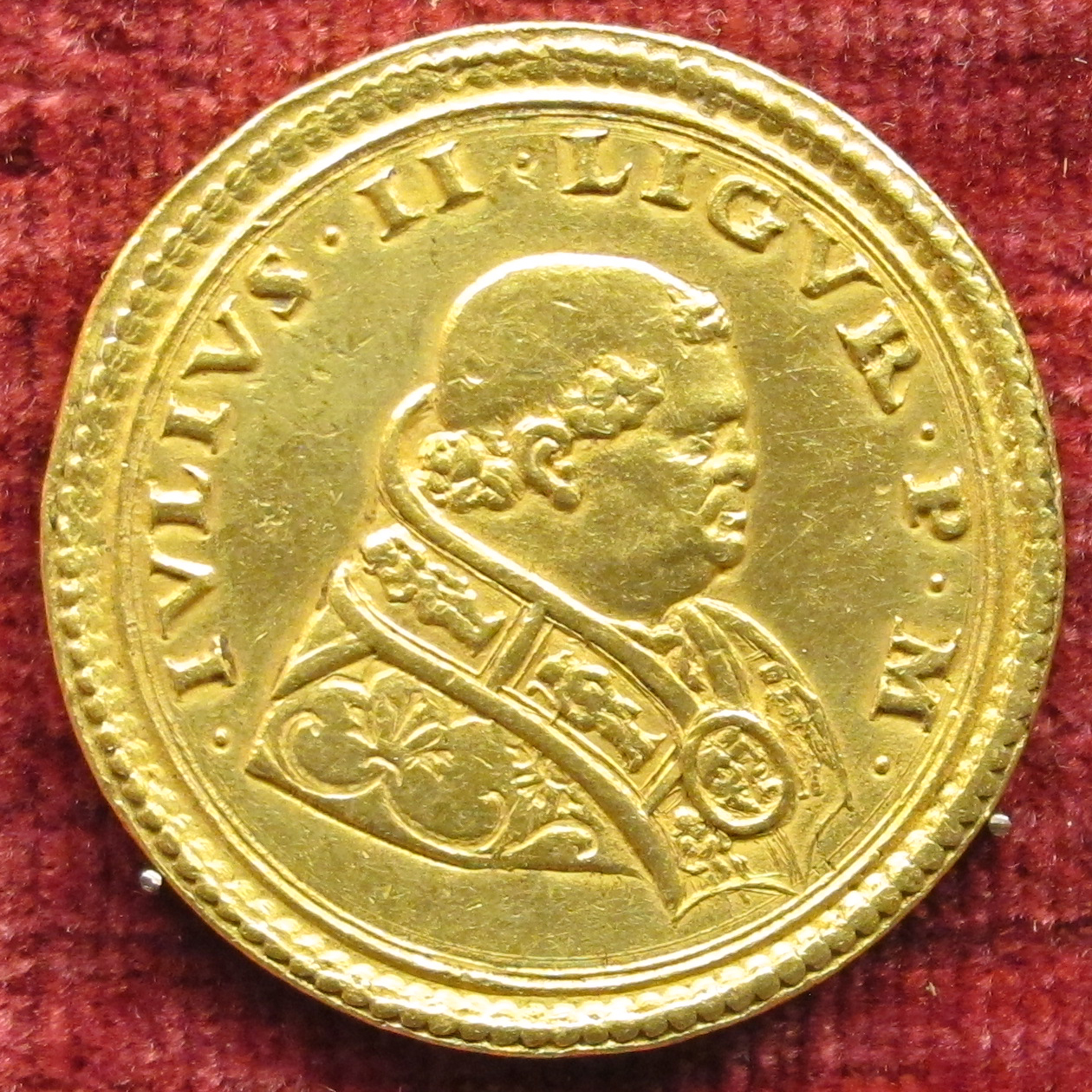
Early life and accession
Giuliano della Rovere came from a prominent family and was the nephew of Pope Sixtus IV; his kinship helped his early advancement within the Church. He served as a cardinal and diplomat before being elected to the papal office in 1503. His election followed a turbulent period in Italy marked by rival states and foreign intervention, circumstances that shaped many of his policies as pope.
Policies, wars and papal authority
Julius II sought to strengthen the temporal power of the papacy by recovering and consolidating territories in central Italy. He took an active role in forming and breaking alliances among Italian states and foreign powers to check rivals and reassert control over the Papal States. His willingness to use military force and to lead troops personally contributed to his martial reputation.
Patronage of art and architecture
Julius II is widely remembered for ambitious cultural projects that reshaped the Vatican and Rome. He commissioned major works from leading artists of the High Renaissance and supported an architectural rebuilding program centered on the basilica of St. Peter. Important commissions and initiatives included:
- Hiring Michelangelo for sculptural and pictorial works, including the tomb project and the Sistine Chapel ceiling.
- Engaging Raphael as a painter for the papal apartments and decorative programs.
- Setting in motion the reconstruction of St. Peter's Basilica and patronizing architects such as Donato Bramante.
Reform, councils and legacy
Beyond warfare and the arts, Julius II promoted administrative reforms intended to strengthen central governance of the Church and called for ecclesiastical councils aimed at addressing discipline and structure. His initiatives influenced his successors and the course of the Renaissance papacy, even as some of his military and nepotistic practices drew criticism.
For further reference on the context of his career, see sources on the Roman Catholic Church, his position as the 217th pope and the nature of the papacy. Julius II's family connection to Sixtus IV was an important factor in his rise and in the network of alliances that shaped his decade-long pontificate.
Questions and answers
Q: Who was Pope Julius II?
A: Pope Julius II was an Italian priest of the Roman Catholic Church and the 217th Pope.
Q: When did Pope Julius II become Pope?
A: Pope Julius II became Pope in 1503.
Q: How long was Pope Julius II Pope for?
A: Pope Julius II was Pope until his death in 1513.
Q: What was Pope Julius II known as?
A: Pope Julius II was known as "the Warrior Pope."
Q: Who was Pope Sixtus IV?
A: Pope Sixtus IV was the uncle of Pope Julius II.
Q: What was the birth name of Pope Julius II?
A: The birth name of Pope Julius II was Giuliano della Rovere.
Q: When was Pope Julius II born and when did he die?
A: Pope Julius II was born on December 5, 1443, and he died on February 21, 1513.
Author
AlegsaOnline.com Pope Julius II (Giuliano della Rovere) — Warrior Pope and Patron of the Arts Leandro Alegsa
URL: https://en.alegsaonline.com/art/128902