
Defense in Depth: layered military strategy and its applications
Defense in depth is a deliberate military approach that delays and degrades an attacker through successive layers of defenses; it yields space to gain time, impose attrition, and enable counterattacks.
Defense in depth is a military approach that relies on multiple, spaced layers of resistance designed to slow and weaken an attacker rather than halt it at a single point. The aim is to buy time, disrupt the enemy's momentum and inflict losses while preserving forces for local counterattacks. This concept is sometimes called elastic defense and contrasts with a single, static stand-or-die position. See more on basic definitions.
Image gallery
2 Images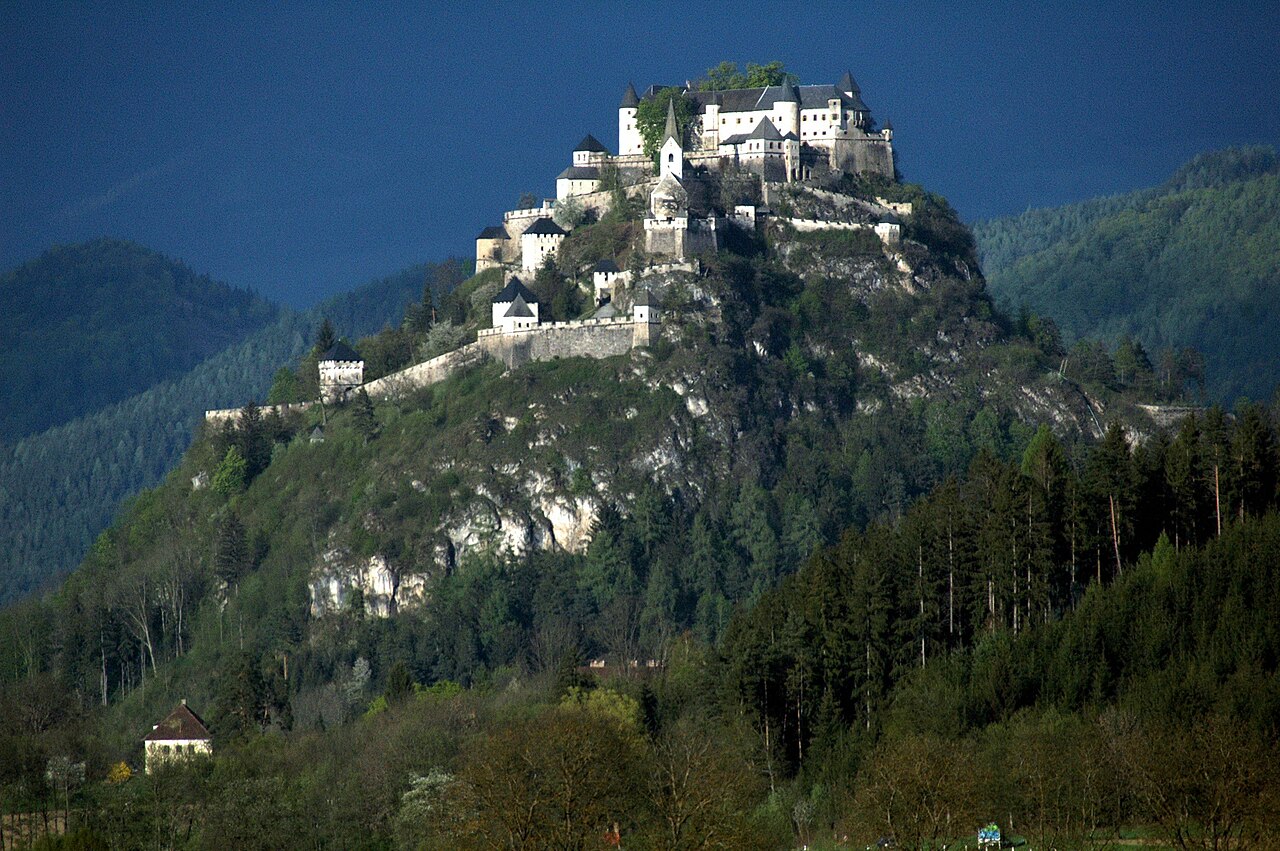

Key components
A practical defense in depth combines engineering, firepower, mobility and command measures. Common elements include:
- Physical obstacles and prepared positions (fortifications, trenches, minefields) that slow and canalize attackers;
- Distributed fire zones and interlocking fields of fire so that initial attackers face attrition and confusion;
- Mobile reserves and counterattack forces that exploit enemy overextension;
- Layered detection and intelligence to give warning and shape responses;
- Logistical depth to sustain defenders while trading ground for time.
These parts work together: obstacles create kill zones for supporting fires, while reserves restore or seize the initiative. For an overview of tactical design principles, consult tactical studies.
History and development
Elements of defense in depth appear throughout history — from concentric castle walls and successive fieldworks to linear systems of trenches. In the 20th century, large-scale industrial warfare and improved artillery made layered, elastic defenses especially valuable: belts of fortifications, successive trench lines and mobile counterattacks were used to absorb and blunt offensives. For more historical context, see historical analysis.
Uses and modern relevance
Besides conventional land warfare, the concept has been adapted to air defense, naval operations and strategic planning where depth in time and space reduces risk. The term is widely borrowed by non-military fields: in cybersecurity, "defense in depth" describes multiple protective measures (firewalls, intrusion detection, access controls, backups) that together reduce the chance of a successful breach. Official doctrine and training material often treat the approach as a foundational principle; see doctrine references.
Advantages include improved resiliency, flexibility and the ability to absorb shock while creating opportunities for countermeasures. Drawbacks can be higher resource needs, the political cost of yielding territory, and the requirement for disciplined command to coordinate withdrawals and counterattacks. For applied examples and case studies, refer to further reading.
Questions and answers
Q: What is defence in depth?
A: Defence in depth is a military strategy that involves a delaying tactic that intends to slow down the advance of an enemy instead of stopping it.
Q: What is the purpose of defence in depth?
A: The purpose of defence in depth is to buy time by yielding to an enemy slowly and usually causing additional casualties.
Q: Why is defence in depth effective?
A: Defence in depth is effective as it can slow down an advancing army and cause it to lose momentum.
Q: What are the other terms used to refer to defence in depth?
A: The other terms used to refer to defence in depth are deep or elastic defense.
Q: Does defence in depth stop the enemy from advancing?
A: No, defence in depth is not meant to stop the enemy from advancing but rather to slow down the enemy's advance.
Q: What are the implications of defence in depth in a battle?
A: In a battle, defence in depth may result in additional casualties due to the delaying tactic, but it can also help the defenders to gain an advantage by slowing down the enemy's advance and causing them to lose momentum.
Q: Is defence in depth a common military strategy?
A: Yes, defence in depth is a very common military strategy that has been used for centuries by armies around the world.
Related articles
Author
AlegsaOnline.com Defense in Depth: layered military strategy and its applications Leandro Alegsa
URL: https://en.alegsaonline.com/art/26250
Sources
- militaryhistoryonline.com : "Bullets Quickly Write New Tactics"
- people.eng.unimelb.edu.au : "Tactics of Attack and Defense in Physical and Digital Environments: An Asymmetric Warfare Approach"
- dictionary.reference.com : "delaying action"