
Dawson Creek, British Columbia — Overview, history and significance
Dawson Creek is a small city in northeastern British Columbia, Canada, known as Mile 0 of the Alaska Highway and a regional centre for agriculture, energy and transportation.
Overview
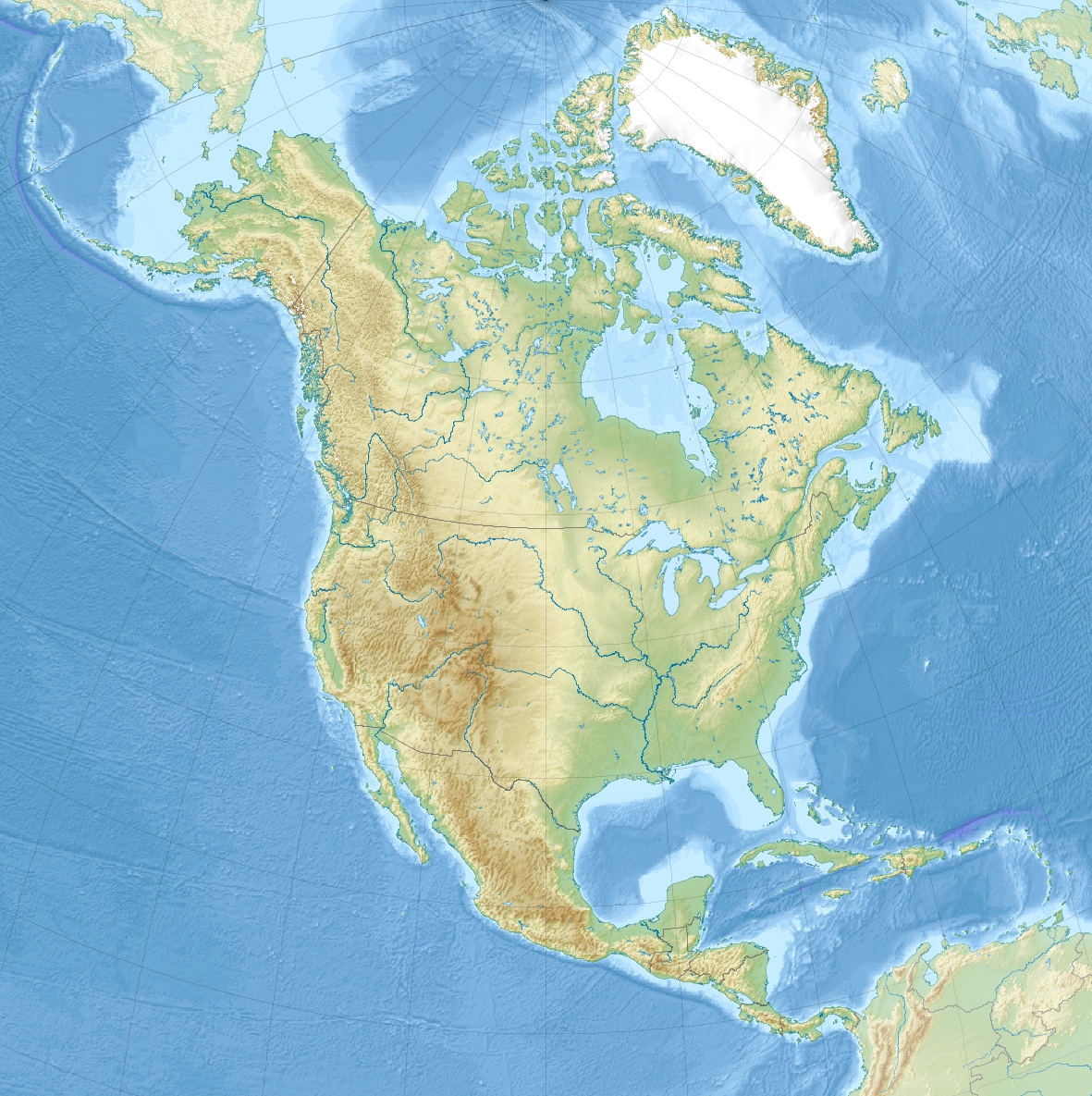
Dawson Creek is a small city in the northeastern part of the Canadian federation, within British Columbia. It functions as a regional service centre for the surrounding rural communities and the broader Peace River area. The city is widely recognised as "Mile 0" of the Alaska Highway, a designation that shapes local identity and attracts visitors interested in northern transport history. Dawson Creek provides a concentration of public services, retail and professional businesses that serve a large rural hinterland.
Image gallery
7 Images




Geography and climate
The community lies at the transition between prairie agricultural land and boreal forest. The setting includes cultivated fields, ranchland and wooded hills. Winters are typically long and cold, while summers are warm and comparatively short; this inland continental climate influences seasonal farming cycles and outdoor recreation. Road and air connections link Dawson Creek with other northern communities and southern corridors, supporting both passenger travel and freight movement.
History and name
The creek that runs through the present townsite was named by a 19th‑century land survey party for the geologist George Mercer Dawson when they passed through the area in August 1879. The settlement that developed nearby grew in size and importance during the 20th century, especially after the construction of the Alaska Highway during the Second World War, which established the town as an important transport and logistics waypoint. The community later incorporated and expanded municipal services to serve an increasing regional population. For historical context and archival materials see local resources and municipal pages: local history and archives.
Economy and infrastructure
Economic activity combines agriculture, ranching, forestry and energy-related industries, including support for oil and gas operations in the wider Peace River region. Transportation and logistics are important because of the city's status at the start of the Alaska Highway and its network of regional roads. A local airport and public facilities support travel, commerce and emergency services.
Culture, tourism and services
Dawson Creek preserves and interprets its role in northern travel history through museums, interpretive displays and community events that attract tourists interested in the Alaska Highway story. Visitors come to see Mile 0 landmarks, learn about early surveyors and explore outdoor recreation such as hiking, fishing and seasonal pursuits. As a regional centre the city hosts health, educational and administrative services used by surrounding communities. For authoritative information about Canada and provincial responsibilities see general government pages: Canada and provincial institutions.
Practical distinctions
- Dawson Creek differs from larger coastal cities by virtue of its inland location and resource-oriented economy.
- The Mile 0 designation remains a focal point for tourism and local identity.
- As a regional hub it provides services, commerce and logistical links important to northern development.
Related articles
Author
AlegsaOnline.com Dawson Creek, British Columbia — Overview, history and significance Leandro Alegsa
URL: https://en.alegsaonline.com/art/25872
Sources
- www12.statcan.gc.ca : "Census agglomeration of Dawson Creek, British Columbia"
- calverley.ca : "First Traveler Through Dawson, 1879"