
David Somerset, 11th Duke of Beaufort
British hereditary peer, landowner and patron of equestrian sport and the arts; served in the House of Lords (1984–1999) and led the British Horse Society and Marlborough Fine Art.
Overview
David Robert Somerset (23 February 1928 – 16 August 2017) was the 11th Duke of Beaufort, a senior hereditary figure in the British aristocracy. Known as Mr David Somerset until he succeeded to the dukedom in 1984, he combined responsibilities as a large estate owner with interests in equestrian sport and the visual arts. The dukedom he held is a historic peerage long associated with rural life and public ceremonial duties.
Image gallery
2 Images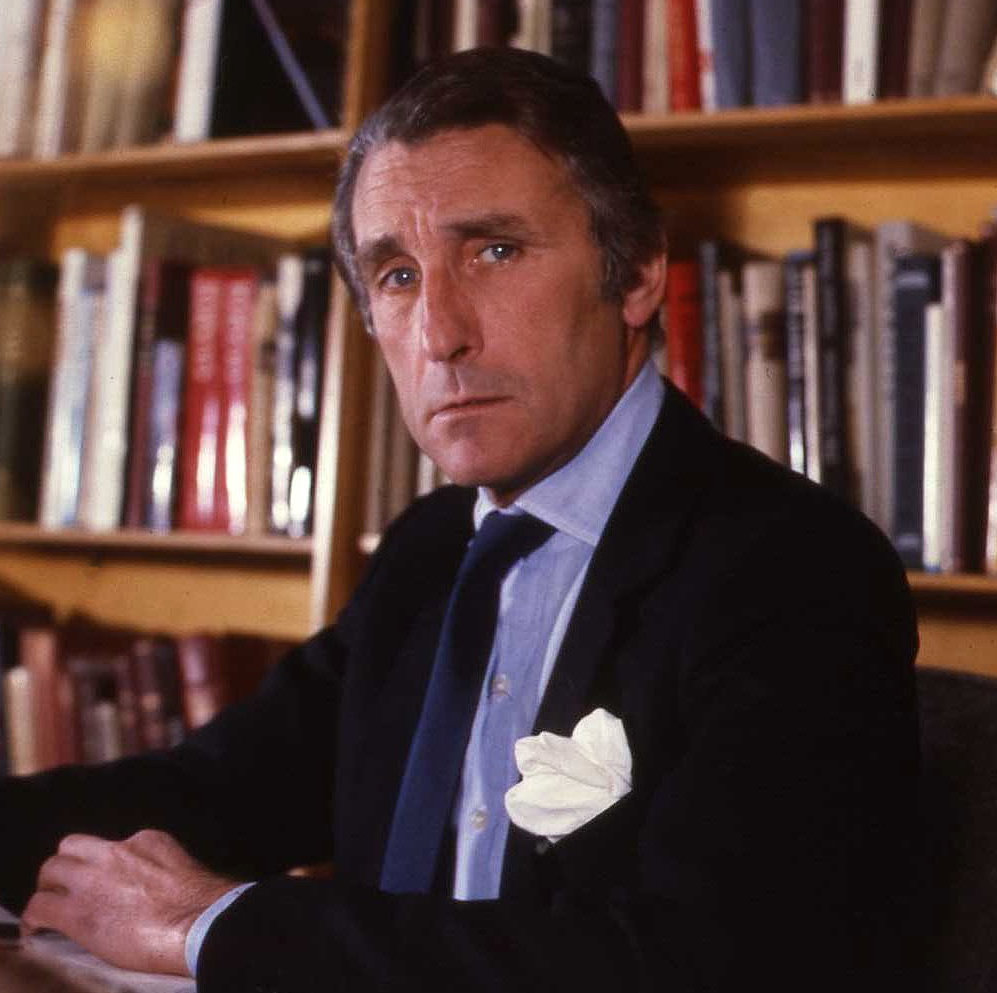
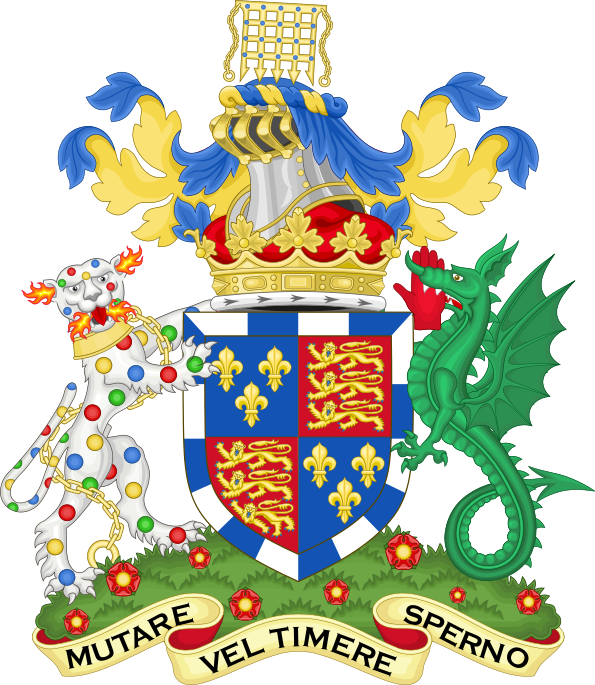
Principal roles and public service
Somerset sat in the House of Lords from 5 February 1984 until the reforms of 1999 removed most hereditary seats; during that period he took part in debates and committees as a hereditary member of the upper chamber of the United Kingdom Parliament, commonly referred to as the House of Lords. He maintained a public profile through leadership positions outside Parliament, notably as President of the British Horse Society between 1988 and 1990 and as chairman of Marlborough Fine Art, a prominent London gallery.
Estate, equestrian links and cultural activities
As head of the Beaufort household, Somerset was custodian of Badminton House and its estate in Gloucestershire. The family seat is located at Badminton, Gloucestershire in South West England, and the estate has long been associated with country sport and major equestrian events. The duke's stewardship combined the practical management of land and farms with support for cultural institutions and sporting traditions that have defined the Beaufort name.
Notable positions and interests
- 11th Duke of Beaufort (succeeded 1984)
- Member of the House of Lords (1984–1999)
- President, British Horse Society (1988–1990)
- Chairman, Marlborough Fine Art
Legacy and death
David Somerset represented a strand of British public life in which hereditary landowners combined private estate management with roles in national cultural and sporting organisations. He died at his home at Badminton on 16 August 2017 at the age of 89. The dukedom he held is part of a long-established line that has played a visible role in local and national affairs for generations, and his activities exemplified the continued public presence of historic peerages in modern Britain.
For further context on the dukedom, the role of hereditary peers, and organisations linked to his work, see related sources and institutional pages: Beaufort family, the peerage system, the House of Lords, and regional information for Badminton and South West England.
Related articles
Author
AlegsaOnline.com David Somerset, 11th Duke of Beaufort Leandro Alegsa
URL: https://en.alegsaonline.com/art/25813
Sources
- britishpathe.com : "Their Majesties at society wedding 1950"
- bbc.com : "David Somerset, 11th Duke of Beaufort dies, aged 89"