
David Storey: English novelist, playwright and screenwriter
Encyclopedic profile of David Storey (1933–2017), English novelist, playwright, screenwriter and former rugby league player, known for This Sporting Life, Saville and realist portrayals of class and sport.
Overview
David Malcolm Storey (13 July 1933 – 27 March 2017) was an English writer whose work across novels, theatre and film is noted for its unsentimental realism and attention to class, masculinity and the pressures of work and sport. He combined careers as a playwright, screenwriter and novelist and drew on early experience as a professional rugby league player to shape scenes of physicality and social tension. His novel Saville earned him the Booker Prize and remains central to assessments of his achievement.
Image gallery
1 Image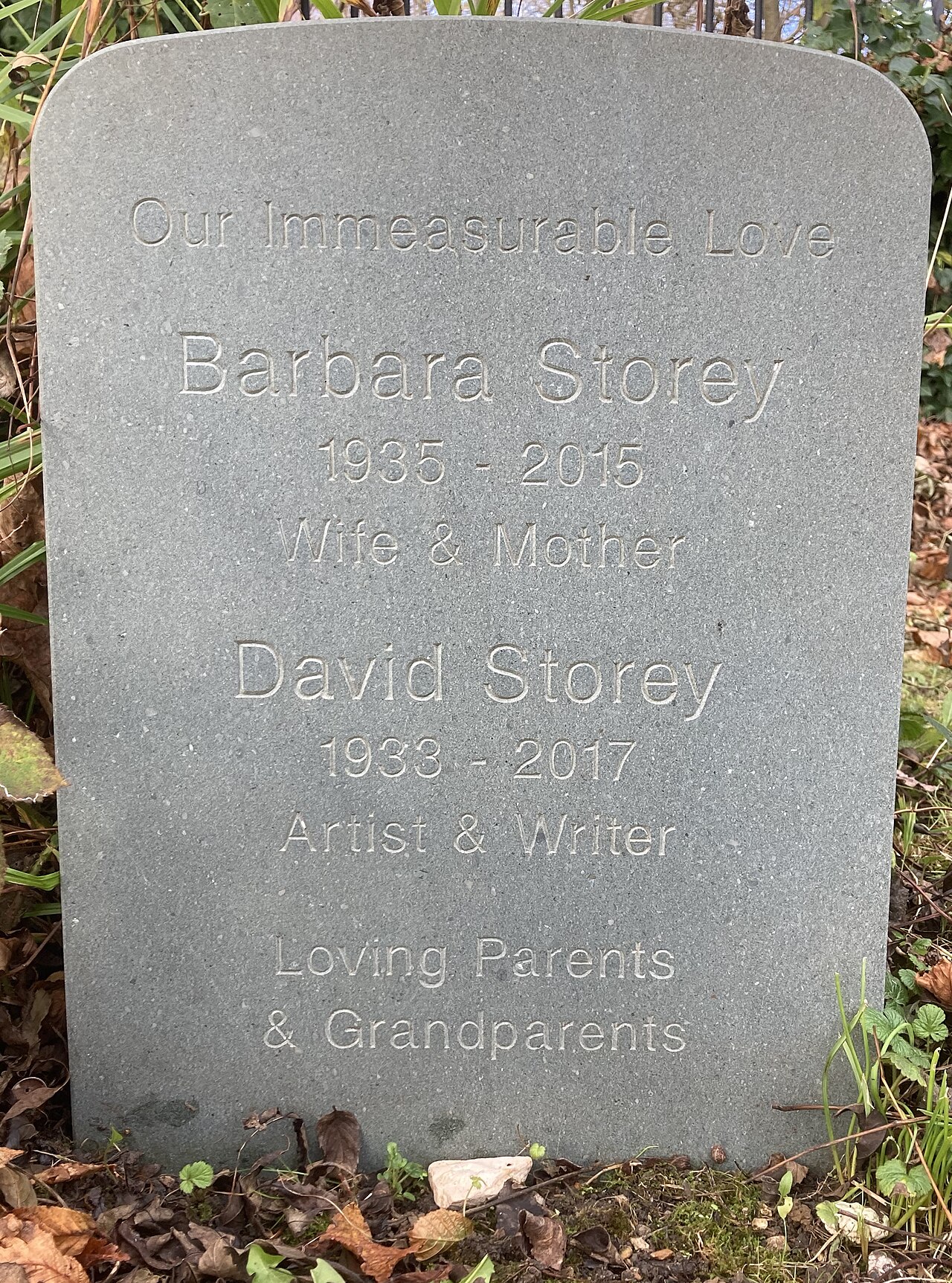
Early life and training
Storey was born in Wakefield, Yorkshire, a northern setting that recurs throughout his fiction. He initially trained as an artist at the Slade School of Fine Art and for a time pursued rugby league, an affiliation that informed the muscular, embodied quality of many of his characters. The combination of provincial roots, artistic study and working‑class sport provided a distinctive vantage point for his later writing.
Literary and dramatic career
Storey began to attract attention in the 1960s for both novels and plays. His first major success on stage and screen came with This Sporting Life, a novel set in the world of professional rugby and later adapted for film; the 1963 film, directed by Lindsay Anderson and starring Richard Harris, helped bring Storey’s concerns to a wider public. On stage, plays such as Home and The Changing Room were praised for their psychological immediacy and for portraying working‑class life with complexity rather than stereotype. His novels include Flight into Camden and the Booker Prize winner Saville (1976), which follows a northern youth’s passage into adulthood amid social constraint and violence.
Themes, technique and reception
Storey’s work is frequently described as spare, observant and unsentimental. He foregrounded class identity, the tensions between aspiration and belonging, and the bodily demands of labour and sport. His dramatic writing often concentrates on small ensembles and intense, scene‑based structures; his fiction favors direct, often pared‑down prose that allows moral ambiguity and social pressure to emerge through behaviour and dialogue. Critics and fellow writers have credited him with expanding the reach of social realism in British theatre and fiction during the late twentieth century.
Selected works
- This Sporting Life (novel; adapted for film)
- Flight into Camden (novel)
- Saville (novel; Booker Prize winner)
- Home (play)
- The Changing Room (play)
Personal life, later years and legacy
Storey married Barbara Rudd Hamilton in 1956; the couple had four children. He lived and worked primarily in England. In later life his health declined and he died in London on 27 March 2017, after illnesses including Parkinson's disease and dementia. His papers and the record of his stage productions are noted in major literary and theatre archives, and his influence persists among writers and dramatists who seek to portray ordinary lives with psychological depth and social seriousness.
For readers interested in further study, Storey’s novels and plays are widely reprinted and discussed in collections on post‑war British literature and theatre; archival holdings and critical essays provide fuller accounts of his production history and the reception of key works.
Related articles
Author
AlegsaOnline.com David Storey: English novelist, playwright and screenwriter Leandro Alegsa
URL: https://en.alegsaonline.com/art/25814
Sources
- bbc.co.uk : David Storey: Booker Prize-winning author dies at 83
- books.google.com : A Reader's Guide To Modern British Drama
- theguardian.com : "David Storey obituary"
- theguardian.com : "David Storey, author of This Sporting Life, dies at 83"
- nytimes.com : "David Storey, British Novelist and Playwright, Dies at 83"