
David Copperfield (novel by Charles Dickens)
David Copperfield is Charles Dickens's semi-autobiographical bildungsroman, following the narrator from a difficult childhood to adult life; noted for memorable characters, social critique, and wide adaptation.
Overview
David Copperfield is a novel by Charles Dickens that traces the life of its narrator from early hardship to mature reflection. Written in the first person, it is commonly classified as a bildungsroman — a coming-of-age story — and is widely regarded as one of Dickens's most personal works. The narrative combines comedy and drama, mixing vivid character sketches with commentary on institutions such as schools, workhouses and the legal system. The book first reached readers in serial form under the original serial title, then appeared as a complete volume.
Image gallery
10 Images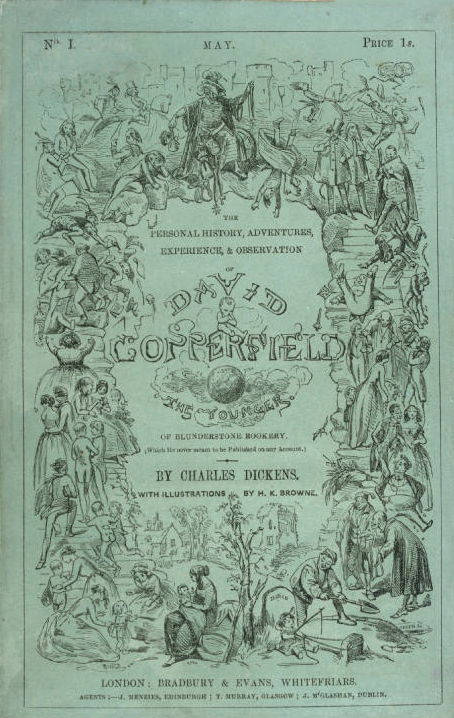




Narrative structure and major episodes
The plot follows David from infancy, through schooling and early employment, to his development as a writer and family man. Along the way he encounters a succession of guardians, teachers, and companions who shape his moral sense and social understanding. Key episodes include David's difficult childhood with a harsh stepfather, his time at a boarding school, the struggles of friends and relatives with debt and misfortune, and David's gradual formation of stable relationships and a professional identity. Dickens interleaves descriptive set pieces with episodes of personal growth to keep the focus on David's internal life as well as external events.
Principal characters
The novel is notable for a roster of strongly drawn figures, many of whom have entered popular memory. Major characters include:
- David Copperfield — the narrator and protagonist, observed from childhood and reflective as an adult.
- Betsey Trotwood — David's eccentric and protective aunt who provides shelter and guidance.
- Agnes Wickfield — a steady friend from childhood whose quiet constancy anchors David's life.
- Uriah Heep — a sycophantic and manipulative clerk who acts as one of the novel's principal antagonists.
- Edward Murdstone and Mr. Creakle — other harsh authority figures who appear among the book's villains.
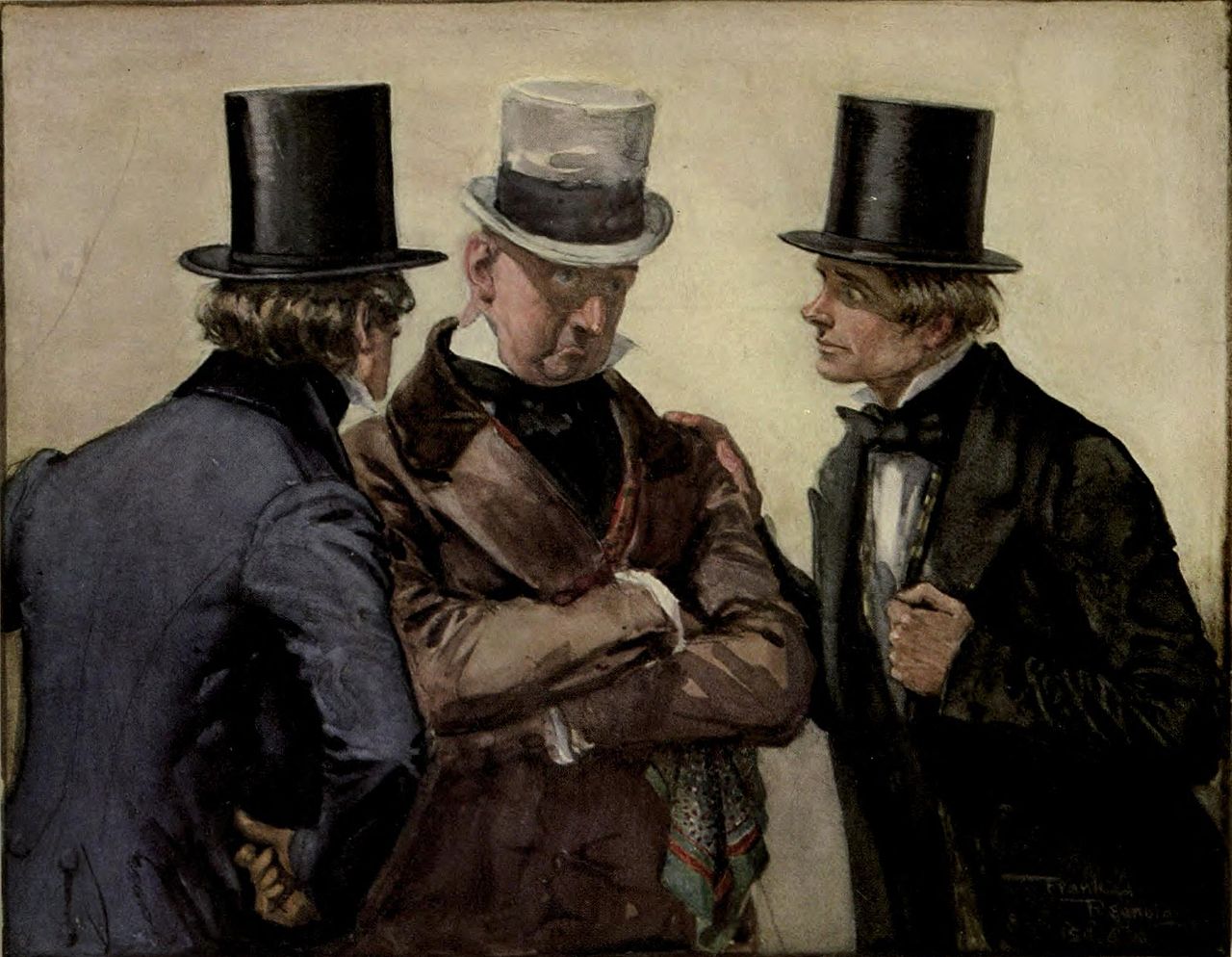
- Mr. Micawber — a genial, optimistic debtor whose fortunes fluctuate and who famously spends time in debtors' prison before finding new prospects abroad.
- Peggotty and Mr. Dick — examples of loyal, compassionate characters who provide emotional steadiness for David.
Themes and style
David Copperfield explores themes of identity, memory, social mobility, and moral development. Dickens uses the first-person vantage to allow introspection and to suggest that personal history shapes character. The novel alternates vivid comic episodes with scenes of cruelty and loss, reflecting Dickens's interest in social reform and in portraying how institutions affect individual lives. Readers also commonly note strong autobiographical elements: episodes of child labor, financial insecurity, and a writer's ambition echo the author's own life and experiences.
Publication, reception, and adaptations
Published in serial installments and then as a book, David Copperfield was well received and has remained a central text in Dickens scholarship and popular readership. Critics and readers have long praised its rich characterization, moral energy, and narrative craft. The novel has been adapted many times for stage, film, radio and television, and has entered broader culture through quotations, performances and study in schools.
Legacy and notable facts
Among Dickens's works, David Copperfield is often singled out for its warmth and for the memorable figure of Mr. Micawber, whose later contentment as an emigrant to Australia is a recurrent detail in summaries of the plot. Its blending of personal reminiscence and social observation helped shape the modern novel's capacity to treat single lives as a lens on wider society. The book remains widely read and taught and continues to inspire adaptations and critical reappraisals.
Related articles
Author
AlegsaOnline.com David Copperfield (novel by Charles Dickens) Leandro Alegsa
URL: https://en.alegsaonline.com/art/25743
Sources
- links.jstor.org : "Titles, Titling, and Entitlement to"