
Dartmouth, Devon — historic port town at the mouth of the River Dart
Dartmouth is a port town and civil parish in South Hams, Devon, England, known for its harbour, naval college, sailing events and historic waterfront at the mouth of the River Dart.
Overview
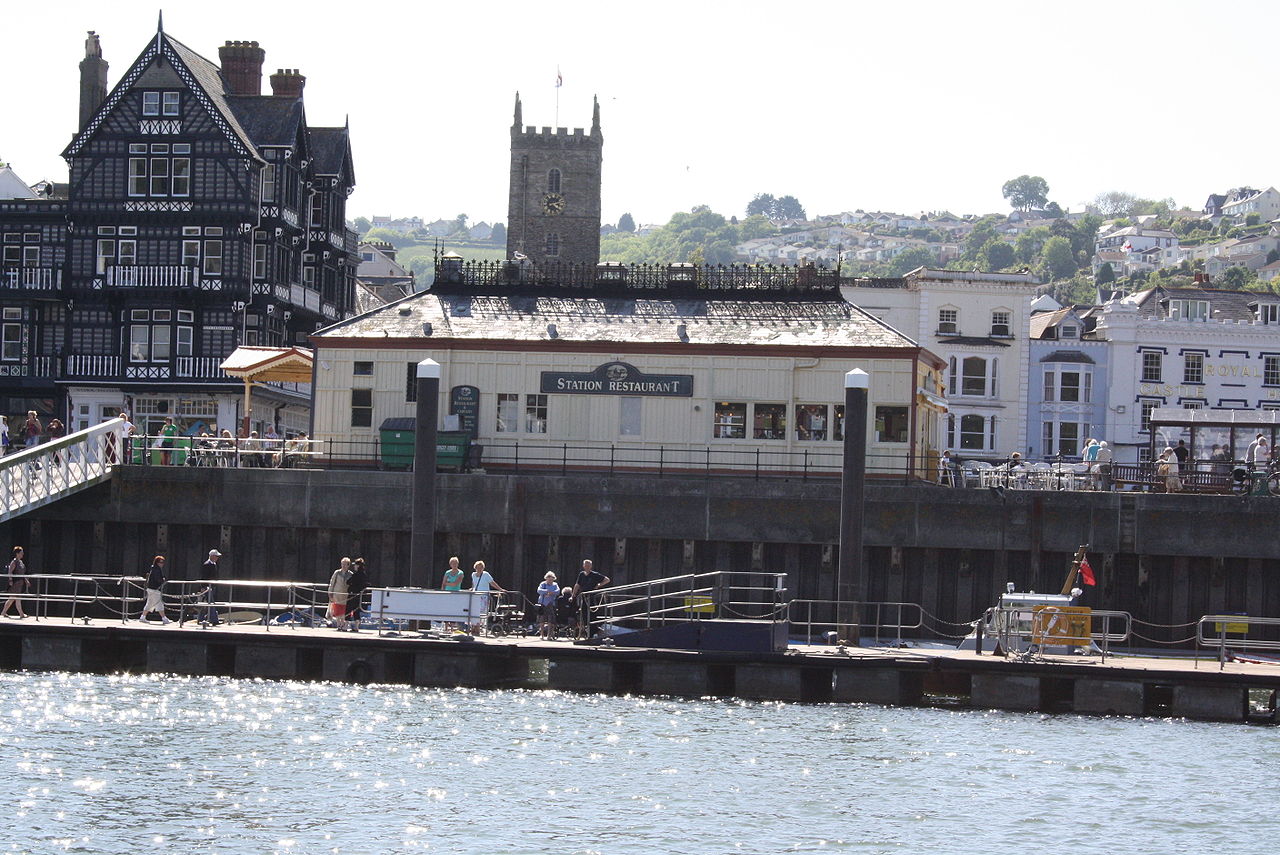
Dartmouth is a small English town and civil parish on the A379 in the district of South Hams, Devon. It stands where the River Dart flows into the sea and its identity has long been shaped by the harbour, estuary and seafaring traditions. The settlement combines working quays, leisure moorings, narrow streets and a compact centre attractive to visitors and residents alike.
Image gallery
10 Images




Geography and layout
The town slopes steeply down to a sheltered harbour; steep lanes and tightly packed merchant houses form a characteristic townscape. Defensive positions and forts sit at the watergate guarding the estuary approaches. The harbour is the focal point for commerce, tourism and local transport, with ferries linking the town across the river.
History
Dartmouth developed as a medieval port and played a role in coastal trade, fishing and naval activity. Historic defences such as Dartmouth Castle and Bayard's Cove Fort mark its strategic importance. Over time shipbuilding, maritime trade and naval training influenced growth; the town retains layers of Tudor, Georgian and later architecture that reflect its evolving role.
Education and naval connections
The town is widely known as the home of the Britannia Royal Naval College, the Royal Navy officer training establishment, which contributes to Dartmouth's maritime character and employment base. The presence of naval training has shaped local ceremonies, commemorations and the town's association with seamanship.
Economy, events and culture
Dartmouth's economy combines tourism, hospitality, maritime services and small local businesses. Annual events, notably sailing regattas including the long-established Dartmouth Royal Regatta, draw competitors and visitors each season. Festivals, galleries and food events add to the summer calendar while heritage attractions support year-round interest.
Attractions and visitor information
- Harbour and waterfront walks with views across the estuary.
- Historic sites: Dartmouth Castle, Bayard's Cove Fort and the old town streets.
- Museums, galleries, independent shops and riverside dining.
- Passenger ferries and crossings to the village of Kingswear and connections to nearby rail services.
Transport and access
Visitors reach Dartmouth by road on the A379 and by regular passenger ferries that cross the river mouth. A vehicular ferry links the town with the opposite bank, while a heritage steam railway on the far side serves nearby coastal towns; these services make Dartmouth a convenient base for exploring the South Devon coast.
Further reading and links
For practical visitor information and community services consult local authorities and visitor organisations in the South Hams and Devon area. Basic historic and geographical summaries of Dartmouth and the River Dart provide context for the town's maritime heritage and contemporary role in the region.
Related articles
Author
AlegsaOnline.com Dartmouth, Devon — historic port town at the mouth of the River Dart Leandro Alegsa
URL: https://en.alegsaonline.com/art/25580
Sources
- ons.gov.uk : "Local statistics - Office for National Statistics"